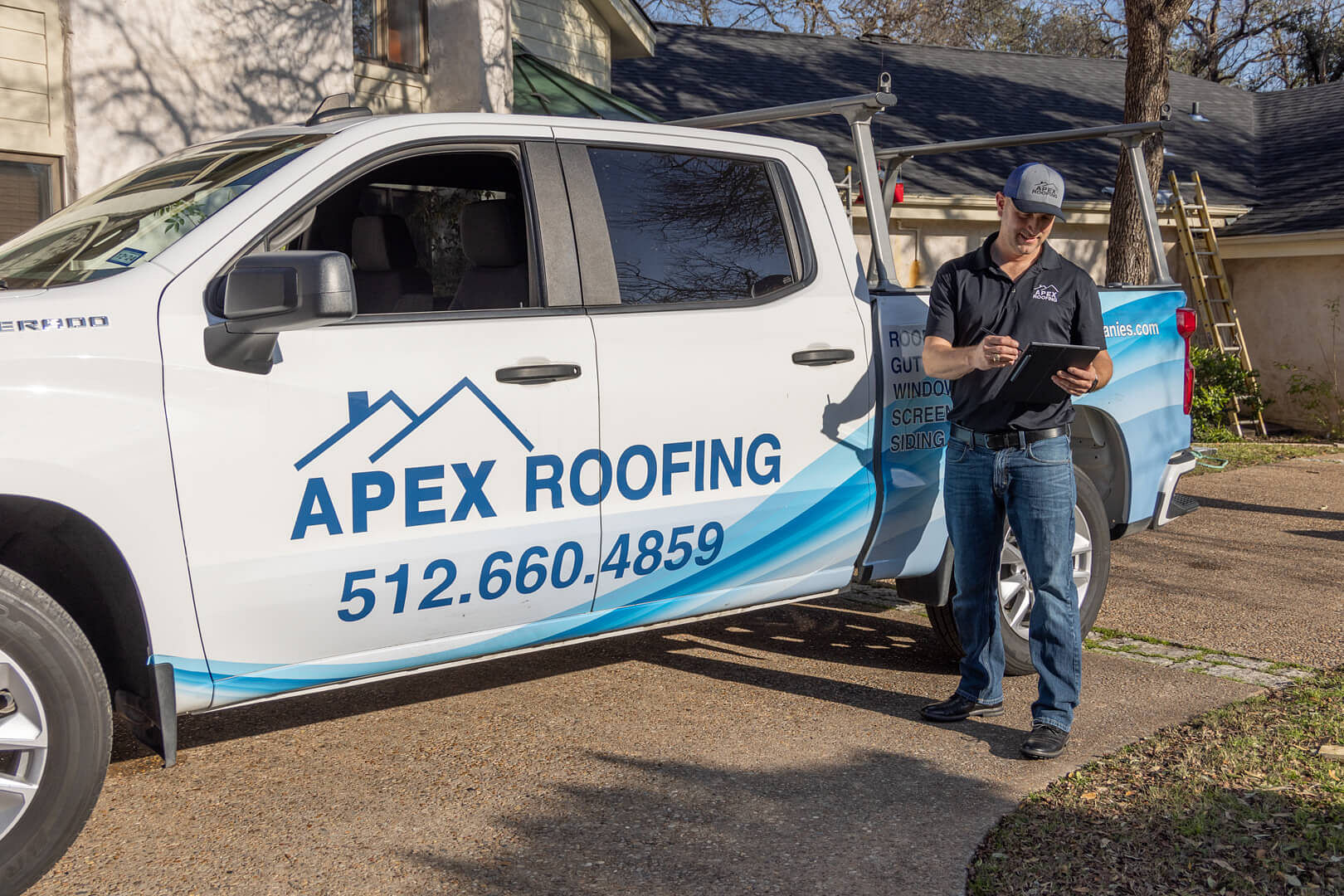
How Often Should You Inspect Your Roof in Texas?
How Often Should You Inspect Your Roof in Texas?
Roof inspections often feel like something homeowners postpone until a leak shows up, yet waiting for visible trouble usually leads to larger and more expensive repairs. Texas homes face weather conditions that create unique stress on roofing systems, which means regular inspections play a major role in preventing damage before it becomes disruptive. Reliable roofing companies such as APEX Roofing encourage Texas homeowners to follow a seasonal and event-based inspection schedule that keeps their homes protected year-round while also extending the lifespan of the materials overhead.

Why Roof Inspections Matter in a Texas Climate
Texas weather creates a perfect storm of roofing challenges because high heat, strong winds, hail events, and rapid temperature swings can affect shingles, flashing, and underlayment in a short period of time. When a roof experiences these conditions on a seasonal basis, small issues begin to appear, such as lifted shingles or minor granule loss, and these can grow into serious structural problems if they go unnoticed. A routine inspection ensures that small defects are identified early, which prevents them from spreading into larger issues that require replacements or expensive emergency service.
Homeowners also benefit from inspections because they create a documented history of roof health, which helps with insurance claims and resale value. Insurance companies often request evidence of consistent upkeep after storm damage, and an inspection conducted by APEX Roofing will provide clear proof that the roof was in good condition before a weather event occurred. Buyers also feel more confident in a home when they know the roof has been professionally monitored, which often leads to smoother negotiations and stronger offers.
The Standard Roof Inspection Timeline in Texas
Roofing contractors generally recommend at least two inspections per year for most Texas homes because spring and fall represent ideal windows for identifying seasonal damage. A spring inspection helps uncover issues left behind by winter wind or ice, while a fall inspection ensures that the roof is ready for cooler temperatures and potential storms. Homeowners who follow this twice-a-year schedule reduce the likelihood of hidden problems catching them off guard.
Many Texas homeowners choose additional inspections after major weather events, especially those involving hail or high winds. The state experiences severe storms during both warm and transitional seasons, and even a brief hailstorm can weaken shingles or dent metal components in ways that are not always visible from the ground. Prompt inspections after such events help homeowners stay ahead of insurance deadlines and prevent moisture from entering vulnerable areas long before the damage becomes noticeable.
How Heat and Sun Exposure Affect Your Roof in Texas
The intense Texas sun can cause roofing materials to age faster than they would in cooler climates, which means regular inspections are essential for identifying heat-related wear. Shingles may become brittle or curl when exposed to prolonged ultraviolet radiation, and these changes often compromise their ability to protect the home from water intrusion. A professional inspection pinpoints these early signs of deterioration, allowing homeowners to replace damaged areas before the next storm exposes the weakness.
Heat also affects the areas beneath the shingles because the attic temperature often rises significantly during Texas summers. When ventilation is insufficient, attic heat accelerates material degradation on the roof deck, the underlayment, and any waterproof barriers. Inspections from experts such as APEX Roofing do more than check the surface because they evaluate the entire roofing system to ensure attic airflow, insulation, and structural components work together effectively.
Should You Inspect Your Roof After Every Storm?
Homeowners in Texas benefit from scheduling a professional inspection after any severe storm that includes hail, wind gusts, or debris impact. Even if a storm lasts only a few minutes, the combination of hailstones and strong winds can loosen shingles, tear flashing, or create small punctures that eventually let water in. These problems may not reveal themselves until weeks or months later, often showing up as stains, mold growth, or ceiling damage.
Storm-specific inspections are especially valuable because insurance timelines can be strict in Texas. Homeowners often need to document storm damage quickly, and having a professional inspection report ensures that claims include accurate and timely information. APEX Roofing often works directly with homeowners during this process, helping them identify legitimate storm damage while also explaining which issues predated the event.
What Happens During a Professional Roof Inspection?
A detailed inspection performed by a trained roofing professional typically includes both exterior and interior evaluations. Contractors check the shingles, gutters, flashing, valleys, penetrations, and ridgelines to confirm that everything is sealed, secured, and functioning properly. This step also includes identifying granule loss, warped shingles, missing components, or evidence that wind has lifted or shifted materials.
Interior roof inspections focus on the attic because hidden moisture, mold, or damaged decking often starts in places that homeowners rarely visit. Professionals look for dark spots on wood surfaces, sagging areas, weak points near vents, and insulation issues that allow heat to accumulate. When both interior and exterior assessments are complete, the homeowner receives a full report that describes the roof’s condition, suggests needed repairs, and recommends a timeline for future inspections.
How Long Can a Roof Go Without an Inspection in Texas?
Roofs can technically go several years without formal inspections, yet this usually results in unnoticed damage that becomes far more expensive to address. Homes in Texas that skip inspections often develop early signs of wear that progress quickly due to extreme weather conditions, which means a small issue today may turn into a major repair within a season or two. Most roofing professionals consider annual inspections the bare minimum for homes in mild climates, although Texas weather makes more frequent checks highly advisable.
Neglecting inspections also increases the risk of voiding warranties or losing coverage opportunities. Many roofing manufacturers require regular professional checks to keep warranties valid because long periods without maintenance often contribute to preventable damage. An inspection schedule built around seasonal changes and major storms protects the homeowner’s investment and ensures warranty conditions are met.
Why Older Roofs Need More Frequent Inspections
A roof nearing the end of its lifespan will naturally require more attention because materials such as asphalt shingles tend to weaken as they age. Older roofs often develop brittle edges, granule loss, and weakened sealant layers that make them more vulnerable to wind lift or water penetration. When a roof is more than fifteen years old, many roofing professionals recommend annual or biannual inspections to catch small issues before they compromise the structure.
Homes with older roofs also face increased risk during severe weather, which means post-storm inspections become even more important. Hail can bruise aged shingles deeply, and high winds can lift areas that would normally stay secure on a younger roof. Maintaining a regular inspection routine helps homeowners avoid sudden leaks or emergency repairs that often arise with older roofing systems.
Is a DIY Roof Inspection Useful?
Homeowners who feel comfortable surveying their property from the ground can perform basic visual checks that alert them to potential issues. This type of self-inspection usually involves looking for missing shingles, sagging gutters, debris buildup, or visible discoloration that suggests moisture. These observations can help homeowners know when to call a professional, although self-checks should never replace full inspections from trained roofing specialists.
DIY inspections become risky when homeowners attempt to walk on the roof, especially if the slope is steep or the shingles are wet. Professional inspectors from APEX Roofing have the tools and training required to navigate roofs safely while also recognizing damage that may be invisible to an untrained eye. A combination of homeowner awareness and professional follow-up creates the best protection for the property.
The Role of Preventive Maintenance in Texas Roof Care
Preventive maintenance plays a key role in Texas because roofs face consistent stress from weather and temperature variations. Inspections often reveal issues such as clogged gutters, loose flashing, or worn caulking that can be addressed quickly before becoming major problems. This kind of maintenance significantly reduces repair costs because it tackles problems early rather than waiting for failure.
Homeowners also benefit from preventive maintenance because it extends the overall lifespan of the roof, which increases long-term value. Professional inspections from APEX Roofing often lead to minor tune-ups that keep the entire system functioning efficiently through seasonal weather cycles. Over time, this attention helps homeowners avoid premature roof replacements.
When Should New Texas Homeowners Schedule Their First Roof Inspection?
New homeowners should schedule their first inspection soon after closing because they may not know how recently the previous owner had the roof professionally evaluated. This early inspection establishes baseline documentation for the roof’s condition and allows homeowners to spot any issues that were not disclosed during the purchase. It also helps them make informed decisions about future maintenance schedules.
The first inspection also introduces homeowners to a reliable roofing partner who can continue to support them through seasonal maintenance and post-storm evaluations. Building this relationship early creates a smoother long-term experience because the contractor becomes familiar with the property and can track changes over time. APEX Roofing often works with new homeowners who want peace of mind during their first few years in a new home.
How Often Should Commercial Roofs Be Inspected in Texas?
Commercial roofs typically require quarterly or semi-annual inspections because they cover larger surface areas and often use flat or low-slope designs. These configurations allow water to pool when drainage systems become clogged, which makes regular inspections even more important. Texas weather can also be hard on commercial roofing membranes, especially during heat waves or hailstorms.
Businesses benefit from scheduled inspections because they reduce the risk of interruptions caused by leaks or structural issues. Regular documentation also supports insurance compliance and helps building owners predict when it may be time for repairs or replacement. APEX Roofing provides tailored inspection plans for commercial clients who need dependable protection for their properties.
Signs You Need an Immediate Roof Inspection
Some roofing issues require immediate attention because delaying can lead to rapid deterioration. Homeowners should contact a professional right away if they notice leaking, interior staining, missing shingles, sagging areas, or sudden spikes in energy bills. These symptoms often signal underlying problems that need quick action to prevent structural damage.
Another sign that an inspection is needed is when granules accumulate in gutters or at the base of downspouts. Granule loss suggests that shingles are wearing down, which reduces their ability to protect the home from water and sunlight. Professional inspectors can determine whether the problem requires simple repairs or something more extensive.
Choosing APEX Roofing for Professional Texas Roof Inspections
APEX Roofing offers detailed, reliable inspections that help Texas homeowners stay ahead of seasonal wear and unpredictable weather. Their team provides comprehensive reports, attentive customer service, and experienced recommendations tailored to the specific needs of each property. Every inspection includes a blend of surface evaluation, attic assessment, and long-term maintenance planning that keeps homeowners informed and protected.
Homeowners across Texas trust APEX Roofing because the company understands the local climate and the challenges it creates for every type of roofing material. Whether the roof is brand new or nearing the end of its lifespan, an expert inspection can prevent unexpected repairs while also improving long-term performance.
Keep Your Texas Roof Protected With Regular Inspections
Regular inspections give homeowners greater confidence, smoother insurance interactions, and fewer unexpected repairs, which makes professional roof care a smart investment for any Texas property. APEX Roofing provides dependable inspection services that help homeowners protect their homes from unpredictable weather and long-term wear. When homeowners follow an inspection schedule that accounts for seasonal changes and storm activity, they give their roofs the best possible chance to perform well for many years.