Roof Repair vs. Replacement
Roof Repair vs. Replacement
When something goes wrong with your roof, one of the first questions is whether you need a repair or an entirely new roof. In many cases, roof repair vs replacement comes down to a few key factors, including the age of the roof, the extent of the damage, how often problems keep returning, and what an inspection reveals.
A damaged roof does not automatically need to be replaced. At the same time, repeatedly repairing a roof that is already near the end of its service life can become expensive and frustrating. Knowing what to look for can help you make a more practical decision.
When Roof Repair Is Usually Enough
A roof repair is often the better option when the damage is limited to a specific area and the rest of the roofing system is still in good condition. A small number of missing shingles, minor flashing damage, isolated wind damage, or a leak with a clearly identifiable source can often be addressed without replacing the entire roof.
Repairs can also make sense when the roof is still relatively young and the surrounding materials are holding up well. Damage around vents, chimneys, skylights, and other penetrations may only require focused work if the rest of the roofing system remains sound.
If water is entering the home, roof leak repair should focus on finding the actual entry point. The area where water appears inside the house is not always directly below the place where moisture entered the roof.
When Roof Replacement May Make More Sense
There comes a point when continued repairs stop being the most practical approach. Roof replacement may be worth considering when damage is widespread, roofing materials are significantly deteriorated, or leaks continue returning in different areas.
Large sections of missing or damaged shingles, extensive granule loss, curling or brittle materials, widespread storm damage, or repeated repairs over a relatively short period can all point toward a larger issue. Sagging, structural concerns, and multiple areas of water intrusion may also indicate that more than a localized repair is needed.
Age alone does not determine whether a roof should be replaced, but it becomes more important when combined with visible deterioration and recurring problems. If you are unsure when to replace your roof, the condition of the entire roofing system matters more than any single symptom.
Roof Age Matters, but Condition Matters More
Roofing materials do not all age at the same rate. Weather exposure, installation quality, ventilation, maintenance, storm history, and the specific roofing material can all affect how long a roof performs.
A relatively old roof that remains structurally sound may only need a targeted repair. On the other hand, a newer roof that suffered extensive storm damage may require more substantial work.
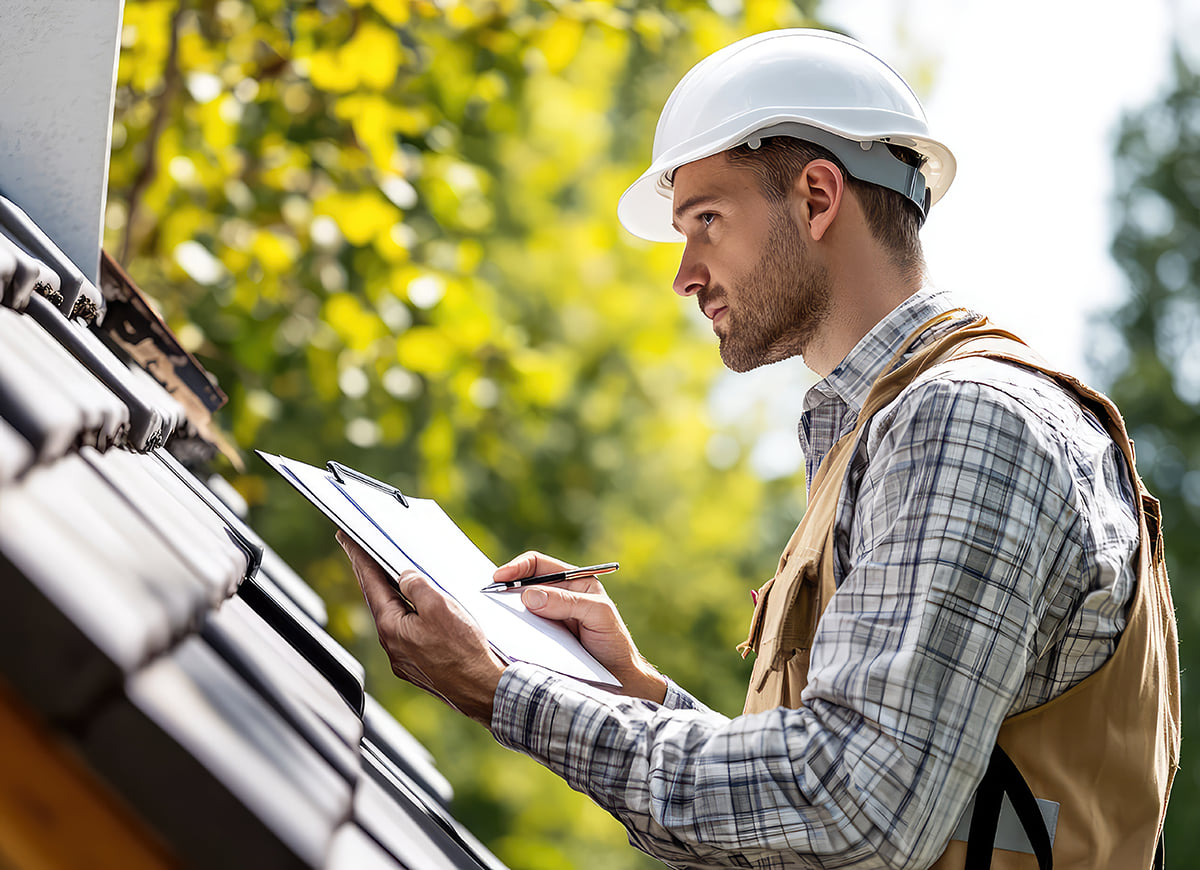
This is why a roof inspection can be useful before making a major decision. A professional roofer can look at the roof as a complete system rather than focusing only on the most obvious damaged area.
What If the Roof Keeps Leaking?
One isolated leak is often repairable. Several leaks appearing over time can tell a different story.
Repeated leaks may indicate that multiple parts of the roofing system are deteriorating. Fixing one area may solve the immediate problem while another weak area fails months later.
It is also important to determine why the leak occurred. A damaged shingle, failed flashing, exposed fastener, roof penetration, or installation defect may require a relatively straightforward roof leak repair. Widespread material failure may point toward replacement instead.
The pattern matters. A roof that needs one repair after years of reliable performance is very different from a roof that needs service every few months.
Consider the Cost of Repairs Over Time
The upfront cost of repairing a roof is usually lower than replacing it, but the cheapest immediate option is not always the least expensive long-term choice.
If your roof is in good condition and has an isolated problem, repair can be a cost-effective solution. If you are continually paying for new repairs, those expenses can begin adding up without solving the larger issue.
Homeowners wondering how much does roof repair cost should consider not only the price of the current repair but also the likelihood of additional repairs in the near future. A repair that solves the problem for years is very different from one that simply delays another service call.
Replacement requires a larger investment, but it may provide better long-term value when an aging roof has widespread problems. Getting a roof replacement estimate can help you compare the cost of a new roofing system against the expected cost of continued repairs.
How Storm Damage Changes the Decision
Storms can make the repair-versus-replacement decision more complicated. High winds, falling debris, and hail can damage isolated areas or affect a large portion of the roof.
A few damaged shingles may only require repair, while extensive damage across multiple slopes may justify a broader solution. The condition of the materials before the storm also matters. A newer roof may respond differently to storm damage than one that was already showing signs of age.
Storm damage is not always obvious from the ground, either. Shingles may remain in place while still suffering damage that affects their ability to protect the home.
After severe weather, a professional roof inspection can help determine how much of the roofing system was affected and whether repair or replacement is appropriate.
What a Roof Inspection Can Tell You
A good inspection should provide more information than simply confirming that a leak exists. The roofer should look at the overall condition of the shingles, flashing, roof penetrations, valleys, edges, drainage areas, and other vulnerable parts of the system.
An inspection can help determine whether the problem is limited to one section or whether multiple areas are deteriorating. It can also show whether water has reached materials beneath the outer roofing surface, whether previous repairs are still performing properly, and whether additional problems are likely to develop soon.
Those findings make it much easier to compare roof repair vs replacement based on the actual condition of your home rather than guesswork.
A Simple Roof Repair vs. Replacement Decision Guide
A repair generally makes more sense when the roof is still in good overall condition, the damage is isolated, leaks are limited, and the surrounding roofing materials still have useful life remaining. In these cases, replacing the entire roof may be unnecessary.
Replacement becomes more reasonable when damage affects large areas, leaks keep returning in different places, roofing materials are deteriorating throughout the system, or the roof has developed a growing history of repairs.
There is also a middle ground. Sometimes a roof needs more than a minor repair but does not require immediate replacement. An inspection can help identify what should be fixed now, what can be monitored, and what may need to be budgeted for in the future.
Do Not Base the Decision on One Factor
There is no single age, repair cost, or number of leaks that automatically determines whether a roof should be repaired or replaced.
The best decision comes from considering the roof as a whole. Age, storm history, material condition, leak frequency, repair history, and inspection findings should all be part of the conversation.
A newer roof with one damaged area may have years of useful life remaining. An older roof with widespread deterioration may continue creating problems even after another repair.
Get a Clearer Picture of Your Roof With APEX Roofing
If you are trying to choose between repairing your roof and replacing it, start by finding out what condition the roof is actually in.
APEX Roofing provides roof repair, roof replacement, roof inspection, and roof leak repair services to help homeowners identify problems and understand their options. We can evaluate the roof, explain what we find, and help you determine whether a focused repair or a larger roofing project makes sense for your home.
Contact APEX Roofing to schedule an inspection and get the information you need to make a confident roofing decision.