Roof Replacement Estimate: What to Expect
Roof Replacement Estimate: What to Expect
Replacing a roof is a major home improvement project, so it makes sense to want a clear idea of the cost before making any decisions. A professional roof replacement estimate should give you much more than a number at the bottom of a page; it should explain what your roof needs, what work is being proposed, which materials will be used, and how the roofing contractor arrived at the projected cost.

At APEX Roofing, we believe homeowners should understand what they are paying for before a project begins. Roofing systems have many interconnected parts, and two estimates that initially appear similar can represent very different levels of work once you look beyond the total price. Knowing what should be included makes it easier to compare your options, ask useful questions, and choose a replacement plan that fits your home.
A Roof Replacement Estimate Starts With an Inspection
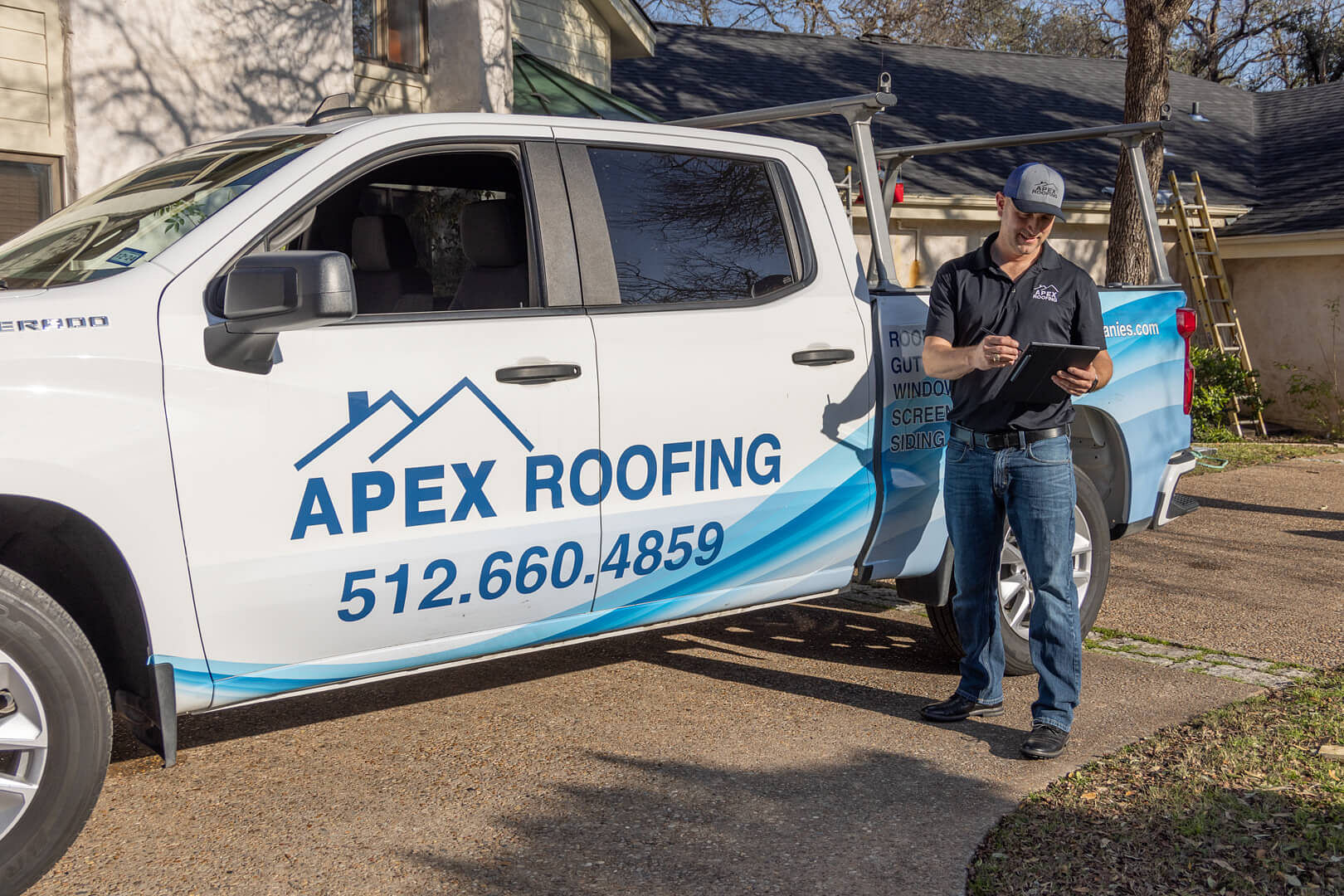
Before a roofing contractor can accurately estimate a replacement, the existing roof needs to be evaluated. An inspection helps determine the condition of the shingles or other roofing material, identifies visible damage, and reveals areas that may require additional attention during the project. The contractor may also look for problems involving flashing, roof penetrations, drainage, ventilation, and other components that influence how the new roof should be installed.
Inspection findings can affect both the recommended scope of work and the final cost. A roof that has reached the end of its service life but has a relatively sound underlying structure may be straightforward to replace, while a roof with widespread leaks, deteriorated decking, or previous installation problems may require additional repairs before new roofing materials can be installed correctly.
How Does Roof Size Affect the Estimate?
Roof size is one of the biggest factors in a roof replacement estimate because larger roofs generally require more materials, more labor, and more time to complete. Contractors measure the actual roof surface rather than relying solely on the square footage of the house, since a home's footprint does not account for roof pitch, attached garages, porches, dormers, or other architectural features.
The shape of the roof matters as well. A simple roof with large, uninterrupted surfaces will typically be easier to work on than a roof containing numerous valleys, hips, steep sections, skylights, or intersecting rooflines. These features require additional cutting, flashing, and installation work, which can increase both material usage and labor.
Measurements also help determine the amount of waste material that should be included in the project. Roofing materials must be cut to fit edges, valleys, penetrations, and other areas, so the quantity ordered usually needs to exceed the exact measured roof surface. A detailed estimate should account for this rather than assuming that every piece of material can be used without waste.
Material Selection Makes a Difference
The roofing material you choose has a substantial effect on replacement cost. Asphalt shingles remain a common choice for residential properties, but even within that category, homeowners can choose among products with different designs, performance characteristics, and warranty options. Metal roofing and other specialized systems can involve different material and installation costs.
A good roof replacement estimate should clearly identify the proposed roofing product rather than simply listing a generic category such as "shingles." Knowing the manufacturer, product line, and basic material specifications makes it easier to understand what you are buying and to compare one contractor's proposal with another.
Underlayment Is Part of the Roofing System
The visible roofing material gets most of the attention, but it is only one layer of a complete roof system. Underlayment is installed beneath the primary roofing material and provides an additional layer of protection between the roof covering and the decking below.
Your estimate should explain what type of underlayment is being installed and where additional protective materials may be used. Depending on the roof and local installation requirements, certain vulnerable areas may receive additional protection against water intrusion. These details can influence the estimate, but they also affect how the completed roof performs when rain, snow, wind, and changing temperatures put the system to the test.
What Happens If the Roof Decking Is Damaged?
Roof decking provides the structural surface to which roofing materials are attached, and its true condition is not always completely visible before the existing roof covering is removed. If moisture has reached the decking over time, portions of the wood may be deteriorated, soft, or otherwise unsuitable for the new roof installation.
Because hidden damage cannot always be quantified beforehand, a roof replacement estimate should explain how unexpected decking repairs will be handled. The estimate may include a predetermined amount of replacement or specify the cost for additional decking if damaged areas are discovered. Understanding this possibility before work begins helps reduce surprises once the old roof has been removed.
Ventilation Should Not Be an Afterthought
A roof replacement provides an opportunity to evaluate the home's roof ventilation system. Proper ventilation helps manage heat and moisture within the attic space, and simply installing new shingles without considering existing ventilation problems can leave an important part of the roofing system unaddressed.
An estimate may include ridge vents, intake ventilation, or modifications to an existing ventilation setup when appropriate for the home. Because ventilation requirements vary according to the roof and attic design, homeowners should look for an estimate that considers the system as a whole rather than treating roofing material as an isolated surface.
Flashing Protects the Roof's Most Vulnerable Areas
Flashing directs water away from areas where the roof meets walls, chimneys, valleys, vents, and other penetrations. These transitions are especially important because they interrupt the otherwise continuous surface of the roof, creating places where careful installation is necessary to keep water moving in the right direction.
Your roof replacement estimate should indicate how flashing will be handled during the project. Existing flashing may need to be replaced, modified, or integrated with the new roofing materials, depending on its condition and location. Although flashing can represent a relatively small portion of the overall project, poorly handled flashing can contribute to leaks even when the surrounding roofing material is new.
Labor Reflects More Than Installation Time
Labor costs cover the physical process of removing the existing roof, preparing the surface, installing the new system, and completing the many details required around edges, valleys, penetrations, and other features. Roof pitch, height, accessibility, complexity, and the number of roofing layers being removed can all affect the amount of labor required.
A properly installed roof depends heavily on workmanship, which is why comparing contractors based only on labor price can be misleading. An experienced crew following proper installation practices may not produce the lowest estimate, but the quality of installation can have a major effect on how the roof performs after the project is complete.
Tear-Off and Cleanup Belong in the Estimate
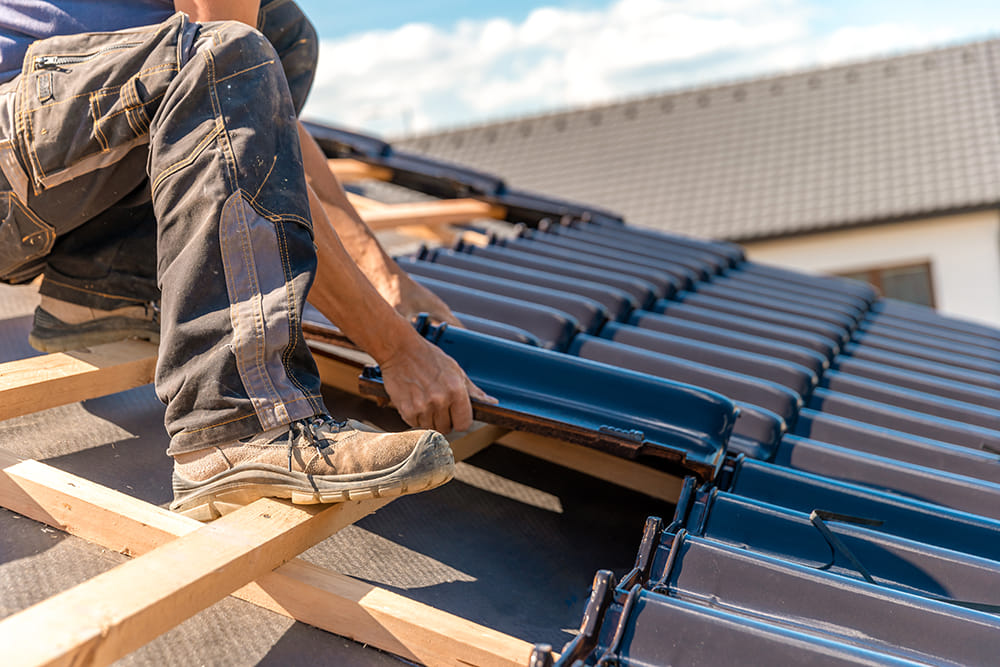
Replacing a roof creates a considerable amount of debris, including old roofing materials, underlayment, fasteners, flashing, and packaging from the new materials. A complete estimate should explain whether removal and disposal of the existing roof are included, along with the cleanup work performed once installation is finished.
Cleanup should also involve protecting the property throughout the project. Roofing contractors may use tarps, collection methods, magnetic tools for locating stray fasteners, and other procedures intended to keep debris under control. Homeowners should know whether these services are part of the quoted price rather than assuming disposal and cleanup will automatically be included.
What Should the Estimate Say About the Project Timeline?
A roof replacement estimate should provide a reasonable explanation of the expected project schedule, even though exact timing can be affected by weather, material availability, and conditions discovered once work begins. Knowing approximately when the job will start and how long the replacement is expected to take makes it easier to plan around the work.
The timeline can also reveal something about the overall project scope. A large or complicated roofing system may naturally require more time than a simple residential roof, while repairs to decking, flashing, or other components can extend the project beyond the basic removal-and-installation process.
Warranty Details Deserve a Closer Look
Roofing warranties can involve both the materials being installed and the workmanship provided by the contractor, so homeowners should understand what protection comes with the proposed roof. Material warranties can vary by product and manufacturer, while workmanship coverage depends on the roofing company performing the installation.
Rather than assuming that every "warranty" provides the same protection, review what the estimate says about coverage and ask questions about anything that is unclear. A longer warranty is not automatically better if the terms differ substantially, which makes the details more useful than the headline number of years.
Don't Compare Roof Replacement Estimates on Price Alone
When homeowners receive several estimates, it is natural to look first at the total cost, but the lowest number does not necessarily represent the best value. One contractor may include new flashing, upgraded underlayment, ventilation work, extensive cleanup, and other components that another estimate leaves out or treats as additional charges.
Compare the actual scope of work instead. Look at the roofing materials being proposed, how decking repairs are handled, which protective layers are included, what happens with flashing and ventilation, how debris is removed, what warranties are provided, and whether potential additional costs are clearly explained. Once you compare estimates line by line, differences in price often become much easier to understand.
An estimate that seems unusually inexpensive deserves the same scrutiny as one that seems unusually high. The goal is not simply to find the cheapest way to put new material on the roof; it is to understand what work your home requires and determine which proposal provides a complete, properly planned roofing system.
Clear Estimates Make Roof Replacement Easier to Plan
APEX Roofing can inspect your roof, discuss its current condition, and prepare an estimate based on the work your property actually needs. If you are considering roof replacement, requesting a free estimate is a practical first step toward understanding the project, comparing your options, and planning for a roof that is built to protect your home for years to come.