Metal Roof vs. Shingles: Which Is Better for Your Home?
Metal Roof vs. Shingles: Which Is Better for Your Home?
When it is time to replace your roof, the choice between a metal roof and asphalt shingles can feel bigger than expected. Both materials are common, both can protect a home well, and both can look good when they are installed properly, but they differ in ways that matter over the life of the roof.
For Texas homeowners, the decision is even more important because the roof has to stand up to heat, sun exposure, strong winds, sudden storms, and hail. A roof that works well in a mild climate may not be the best fit for a home that spends months under intense summer sun, then gets hit by a spring thunderstorm with little warning.
The right answer depends on your budget, your home’s style, your long-term plans, and how much value you place on durability. Shingles may be the smarter choice for one homeowner, while metal roofing may be the better investment for another.
Metal Roofing and Shingles Are Both Strong Options
Metal roofing and shingles are often compared as if one is automatically superior, but the more useful question is which material fits your home better. Asphalt shingles offer affordability and familiarity, while metal roofing offers long-term strength and a more premium service life.
Shingles remain popular because they work well on many homes, are available in a wide range of styles, and can usually be installed at a lower upfront cost. Metal roofing tends to cost more at the beginning, but it can make sense for homeowners who want a roof that may last much longer with the right installation and maintenance.
What Are Asphalt Shingles?
- Asphalt shingles are made with a base mat, asphalt coating, and protective granules that help shield the roof from sunlight and weather. They are installed in overlapping rows so water can shed down the roof and away from the home.
- The most basic option is the three-tab shingle, which has a flatter, more uniform appearance. Architectural shingles are thicker and more dimensional, giving the roof a richer look while usually offering better durability than three-tab products.
- For many Texas homes, architectural shingles are the more practical shingle choice. They cost more than basic shingles, but they often provide better wind resistance, stronger curb appeal, and a longer service life when installed correctly.
What Is a Metal Roof?
- A metal roof is usually made from steel, aluminum, or another coated metal formed into panels or shingles. Residential metal roofing can look sleek and modern, but it can also work well on farmhouse, ranch, craftsman, and traditional homes, depending on the panel profile and color.
- Standing seam metal roofing is one of the most popular residential metal options because the fasteners are concealed beneath the panels. This creates a clean appearance and helps protect the fastening system from direct exposure to rain, sun, and temperature changes.
Shingles Usually Win on Upfront Cost
The biggest advantage of asphalt shingles is the initial price. Shingles usually cost less to buy and install than metal roofing, which makes them attractive for homeowners who need a dependable roof without making a premium investment.
This matters when a roof replacement is unexpected. If a storm damages the roof, or if an older roof begins leaking before the homeowner planned for replacement, shingles may provide a faster and more affordable path back to protection.
Lower upfront cost does not always mean better long-term value, though. If a shingle roof needs to be replaced sooner than a metal roof, the lifetime cost difference may be smaller than it first appears.
Metal Roofing Usually Lasts Longer
Metal roofing usually has a longer expected service life than asphalt shingles. A properly installed metal roof can often last for several decades, while asphalt shingles generally need replacement sooner, especially in hot climates where sun exposure steadily wears on the material.
The difference comes down to how the materials age. Asphalt shingles can lose granules, dry out, crack, curl, or become more vulnerable to storm damage over time, while metal does not deteriorate in the same way.
That does not mean metal roofing is maintenance-free or impossible to damage. Poor installation, scratched coatings, failing sealants, loose fasteners, and storm impacts can still create problems, but metal generally has the advantage when lifespan is the main priority.
Which Roof Handles Texas Heat Better?
Metal roofing often performs well in Texas heat because many metal systems reflect more sunlight than standard dark asphalt shingles. When a metal roof has a lighter color or reflective finish, it can help reduce the amount of heat absorbed at the roof surface.
Shingles can still be a solid choice in hot weather, especially when homeowners choose lighter colors or products designed with reflective granules. However, traditional dark shingles tend to absorb more heat, which can contribute to higher roof surface temperatures during long summer afternoons.
The Whole Roofing System Affects Comfort
The roofing material matters, but it is not the only thing that affects how hot a home feels. Attic ventilation, insulation, underlayment, roof color, radiant barriers, and air sealing all influence energy performance.
A metal roof over a poorly ventilated attic may not perform as well as expected, while a shingle roof with proper ventilation and insulation can still support good indoor comfort. For that reason, homeowners should think about the entire roofing and attic system instead of choosing a material based on one feature alone.
What About Hail Damage?
Hail is one of the biggest reasons Texas homeowners compare metal roofs and shingles carefully. Neither material is completely hail-proof, especially when large hail falls with high winds, but the way each material responds to impact is different.
Impact-resistant shingles are designed to perform better than standard shingles when hit by hail or flying debris. They may reduce cracking and bruising after moderate storms, although severe hail can still damage them.
Metal roofing may resist punctures well, but it can dent cosmetically. Some dents do not affect the roof’s ability to shed water, yet they may still bother homeowners who care about appearance. This is one reason it is important to discuss panel thickness, metal type, finish, and insurance language before choosing metal in a hail-prone area.
Wind Resistance Depends on More Than the Material
Both shingles and metal roofing can perform well in high winds when the product is rated properly and installed correctly. The problem is that wind often exposes weak workmanship, especially around roof edges, valleys, ridges, and penetrations.
Architectural shingles generally resist wind better than basic three-tab shingles, but correct nailing and starter installation are essential. If shingles are nailed too high, under-nailed, overdriven, or installed with poor edge details, strong gusts can lift and tear them away.
Standing seam metal roofing can provide excellent wind resistance because the panels interlock and the fasteners are typically hidden. Still, metal roofing must be installed by a crew that understands fastening patterns, expansion and contraction, flashing, and panel layout.
Maintenance Looks Different for Each Roof
Shingle roofs should be inspected for missing shingles, lifted tabs, worn granules, cracked sealant, damaged flashing, and exposed nails. After major storms, a professional inspection is often worthwhile because hail damage is not always easy to see from the ground.
Metal roofs need inspections, too, although the concerns are different. Exposed-fastener systems may need screw and washer checks over time, while standing seam systems should be reviewed for coating scratches, seam issues, flashing problems, sealant failure, and debris buildup.
Metal Roofing Can Change the Look of a Home
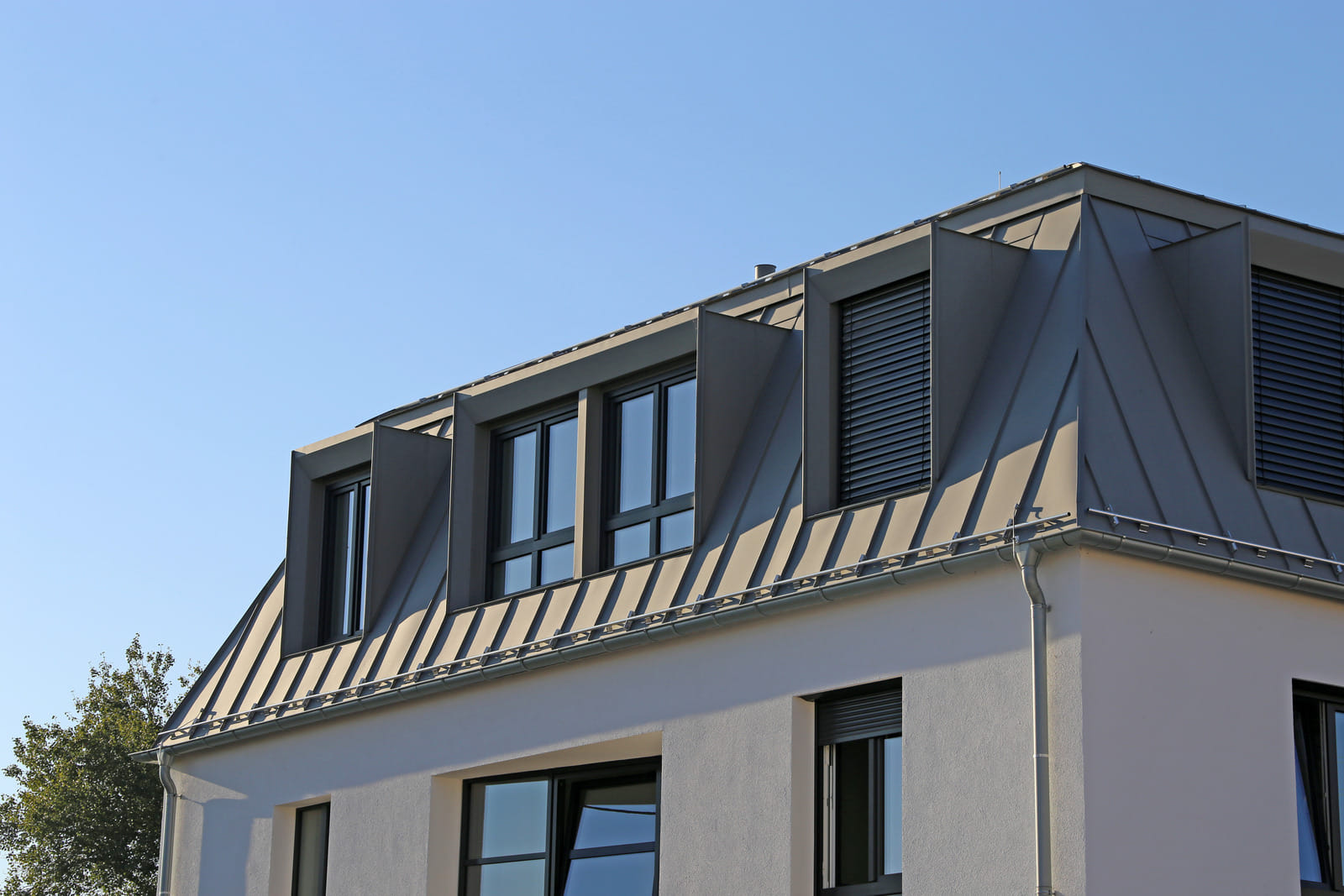
A metal roof can dramatically change a home’s appearance. On some houses, standing seam metal creates a clean, high-end look that feels modern and intentional.
On other homes, metal may feel too bold if the color, profile, or style does not fit the architecture. This does not mean metal is a bad choice, but it does mean design matters. The right metal roof should look like it belongs on the home, not like it was selected only because it lasts longer.
Shingles Offer Familiar Curb Appeal
Shingles are often the safer visual choice because they blend easily into many neighborhoods. Architectural shingles, in particular, can add depth and texture without making the roof stand out too much.
This can be helpful when a homeowner wants a refreshed exterior but does not want the roof to become the dominant design feature. Shingles pair well with brick, stone, siding, stucco, and many traditional Texas home styles.
Neighborhood rules may also matter. Some homeowners associations have specific requirements for roof materials, colors, and profiles, so it is wise to confirm what is allowed before choosing either metal or shingles.
A metal roof on a home is usually much quieter than people expect. The loud rain sounds many people associate with metal roofing often come from barns, sheds, patios, or older buildings where metal was installed without the same decking, underlayment, insulation, and ceiling assembly found in a house.
On a properly built residential roof, those layers help reduce sound before it reaches the living space. Rain may still sound slightly different on metal than it does on shingles, but it usually is not the dramatic noise problem many homeowners imagine.
Metal roofing can sometimes be installed over an existing shingle roof, but that does not automatically make it the best approach. Local building codes, manufacturer requirements, roof condition, moisture concerns, and the number of existing layers all matter.
Tearing off the old shingles allows the contractor to inspect the decking, repair hidden damage, improve underlayment, and correct ventilation or flashing problems before the new roof is installed. That inspection step can be especially valuable if the old roof has leaked, sagged, or suffered storm damage.
An overlay may save money at first, but it can also cover up problems that should have been fixed. APEX Roofing can evaluate the existing roof and explain whether an overlay is reasonable or whether a full tear-off is the better long-term decision.
Insurance can be complicated because coverage depends on the policy, provider, material, location, roof age, and type of damage. Some insurers may offer discounts for impact-resistant shingles or certain metal roofing systems, but those discounts are not automatic.
Cosmetic damage is another important issue. A metal roof may still function after hail dents it, but the policy may treat cosmetic denting differently than functional damage. Homeowners should review this before installation, not after a storm.
Metal roofing often has an environmental advantage because it can last longer and may contain recyclable material. At the end of its service life, metal roofing is also more likely to be recycled than asphalt shingles.
Shingles are improving, and some recycling options exist in certain areas, but asphalt roofing still creates more replacement waste when it has to be removed more frequently. For homeowners who prioritize longevity and reduced waste, metal roofing can be attractive.
Energy performance also plays a role. A reflective metal roof may help reduce heat absorption, while cool-rated shingles can also improve performance compared to traditional dark roofing materials.
Which Roof Should You Choose?
Choose shingles if your main priorities are lower upfront cost, familiar appearance, broad style options, and reliable protection. For many homeowners, especially those who want a practical replacement roof without a major premium upgrade, architectural shingles are a sensible choice.
Choose metal roofing if you want longer service life, strong durability, improved heat performance, and a more distinctive appearance. It may be the better investment if you plan to stay in your home for many years and want to reduce the chances of replacing the roof again sooner than necessary.
The best choice is not only about the material. It is about how the roof fits your home, your budget, your neighborhood, your insurance situation, and the weather risks in your part of Texas.
Talk With APEX Roofing Before You Decide
The metal roof vs. shingles decision deserves a clear, practical comparison, not a rushed sales pitch. APEX Roofing can inspect your current roof, review your goals, explain the pros and cons of each material, and help you understand what makes the most sense for your home.
Whether you are replacing an aging roof, upgrading after storm damage, or simply trying to plan ahead, a professional roofing consultation can help you make a confident choice. With the right material and the right installation, your next roof can protect your home, improve curb appeal, and stand up to Texas weather for years to come.