Best Roofing Materials for Texas Homes
Best Roofing Materials for Texas Homes
Choosing the best roofing materials for Texas homes takes more thought than simply picking the color that looks best from the curb. A roof in Texas has to deal with blazing summer heat, sudden thunderstorms, hail, high winds, heavy rain, and, in some areas, the occasional freeze that seems to arrive out of nowhere.
That is why the right roofing material depends on more than price alone. Your home’s location, roof slope, architectural style, long-term plans, and maintenance expectations all matter, especially when you want a roof that looks good while still standing up to the kind of weather Texas is known for.
Texas Weather Places Serious Demands on a Roof
Texas weather can be rough on roofing because the conditions are not only intense, but also inconsistent. One week may bring dry heat and full sun, while the next may bring wind-driven rain, hail, or a fast-moving storm system that tests every weak point on the roof.
Heat is one of the biggest factors for Texas homeowners. Dark roofing materials can absorb solar energy throughout the day, which may increase roof surface temperatures and place more strain on attic ventilation, insulation, and cooling systems.
Storm resistance matters just as much. A roof that performs well in a mild climate may not be the best choice for areas where hail, strong winds, falling branches, and sudden downpours are regular concerns, which is why Texas homeowners should compare roofing materials based on real-world performance, not just appearance.
Asphalt Shingles Remain the Most Popular Choice
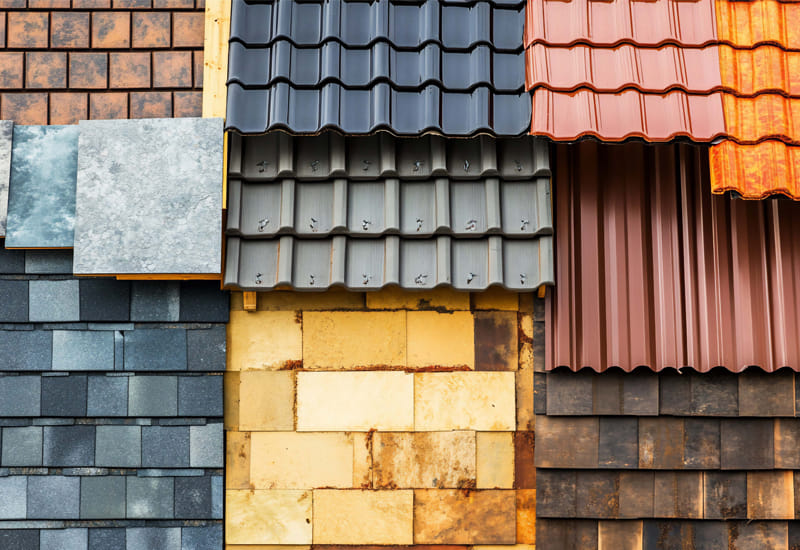
Asphalt shingles are still one of the most common roofing materials for Texas homes because they are affordable, widely available, and suitable for many architectural styles. They come in a wide range of colors and profiles, so homeowners can match the roof to brick, stone, siding, stucco, or painted trim without having to choose a specialty roofing system.
Architectural shingles are usually a better choice than basic three-tab shingles for homeowners who want stronger performance and a more dimensional look. While asphalt shingles may not last as long as metal, tile, or slate, a quality shingle roof that is installed correctly can still offer dependable protection, especially for homeowners who want a practical balance between cost and durability.
Are Impact-Resistant Shingles Worth Considering?
- Impact-resistant shingles are worth considering in many parts of Texas, particularly in areas where hail is common. These shingles are designed to hold up better against impact than standard asphalt shingles, and while they are not hail-proof, they may reduce the risk of cracking, bruising, and premature roof replacement after moderate storms. Some insurance companies may also offer discounts for qualifying impact-resistant materials, although homeowners should confirm those details with their provider before making a final decision.
Metal Roofing Offers Long-Term Durability
Metal roofing has become increasingly popular in Texas because it offers strong durability, good heat performance, and a long service life when installed properly. Modern residential metal roofing does not have to look industrial or plain, since today’s systems are available in clean standing seam panels, textured finishes, and designs that work well with both traditional and modern homes.
Standing seam metal roofing is one of the strongest options for homeowners who want a long-term roof. Its raised seams and concealed fasteners help protect the roof from water intrusion, while the smooth panels shed rain quickly and create a crisp, high-end appearance.
Exposed-fastener metal roofing can be more affordable, but it usually requires more maintenance over time because the fasteners and washers remain visible and exposed to sun, rain, and temperature movement. Since metal expands and contracts as temperatures change, installation quality is especially important, because poor workmanship can lead to loose fasteners, leaks, or visible waviness in the panels.
Does Metal Roofing Make a Home Hotter?
- Many homeowners assume metal roofing makes a house hotter, but that is not necessarily true. In many cases, metal roofing can reflect more sunlight than traditional dark asphalt shingles, especially when the panels have a lighter color or a reflective factory-applied finish.
- The full roofing system still matters. A metal roof performs best when it is paired with proper attic ventilation, adequate insulation, quality underlayment, and correct installation, because the material on top is only one part of how the home manages heat.
Clay Tile Brings Traditional Style and Heat Resistance
Clay tile is a strong option for Texas homes with Spanish, Mediterranean, Southwestern, or custom architectural styles. It handles prolonged sun exposure well, and its distinctive shape can create small air spaces beneath the tiles, which may help reduce direct heat transfer into the roof deck.
The main limitations are cost, weight, and fragility. Clay tile is heavier than asphalt shingles and may require a structural evaluation before installation, while individual tiles can crack if they are struck by large hail or walked on improperly during service work.
Concrete Tile Provides Strength and Versatility
Concrete tile offers a similar premium look to clay tile, but it is available in more styles, profiles, and colors. It can be made to resemble barrel tile, slate, or even wood shakes, giving homeowners more design flexibility while still offering impressive durability in hot climates. Like clay, however, concrete tile is heavy, and the roof structure must be able to support it safely before it is installed.
Synthetic Roofing Materials Continue to Improve
Synthetic roofing materials are designed to imitate natural products such as slate, clay tile, or wood shakes while reducing some of the weight and maintenance concerns. Depending on the product, synthetic roofing may be made from polymers, rubber, recycled materials, or composite blends.
These materials can be appealing for homeowners who want a premium look without the full cost or structural demands of natural slate or tile. However, quality varies by manufacturer, so it is important to compare impact ratings, wind ratings, fire ratings, warranty terms, and performance in hot climates before choosing a synthetic roof.
Wood Shakes Require Careful Consideration
Wood shakes have a warm, natural appearance that many homeowners like, but they are not always the most practical choice for Texas homes. Sun exposure can dry and split the wood, humid conditions may encourage mildew or decay, and fire risk can be a serious concern in dry areas. Homeowners who love the look of wood may want to compare natural cedar with synthetic shake products before making a decision.
Slate Is Beautiful, Durable, and Expensive
Natural slate is one of the most durable roofing materials available, and its appearance is difficult to duplicate perfectly. A well-installed slate roof can last for generations, resist fire, and give a home a distinctive, upscale look that works especially well on historic or luxury properties.
The challenge is that slate is heavy, costly, and highly specialized. Not every home can support it, and not every roofing contractor is qualified to install or repair it correctly, which means homeowners should carefully evaluate both the structure and the installer before choosing slate.
What Roofing Materials Handle Hail Best?
No roofing material is completely immune to hail damage, especially when storms produce large stones or high winds. Still, some materials tend to perform better than others when hail is a regular concern.
Class 4 impact-resistant shingles, certain metal roofing systems, and some synthetic products can offer stronger protection than basic asphalt shingles. Metal roofing may resist punctures well, although cosmetic denting can still happen, depending on the panel thickness, hail size, and storm intensity.
Tile and slate are durable in many ways, but they can crack under sharp impact. That does not mean they are poor roofing materials, but it does mean homeowners in hail-prone areas should weigh beauty, longevity, repair costs, and storm performance carefully before choosing a roof.
Cool Roofing Features Can Improve Summer Performance
Cool roofing features can make a meaningful difference in Texas, especially during long stretches of summer heat. Reflective metal finishes, lighter shingle colors, and specially designed asphalt granules can help reduce heat absorption, while good attic ventilation and insulation help keep that heat from affecting the living space below. The best results usually come from treating the roof, attic, and ventilation system as one connected system rather than focusing on the roofing material alone.
The Best Material Must Fit the Home
The best roofing material is not always the most expensive one. A premium roof may not be the right choice if it does not fit the home’s structure, local weather exposure, neighborhood style, or the homeowner’s budget.
How long you plan to stay in the home also matters. Asphalt shingles may make sense for a homeowner who wants dependable protection at a reasonable cost, while metal, tile, synthetic roofing, or slate may be more appealing for someone who plans to stay for decades and wants a longer-lasting system.
Installation Quality Matters as Much as Material Quality
A good roofing material can still fail early if it is installed poorly. Flashing mistakes, inadequate ventilation, weak underlayment, improper fastening, and rushed workmanship can create leaks and performance problems long before the roof should be near the end of its service life.
This is especially important in Texas, where roofs must handle heat expansion, wind uplift, heavy rain, and storm debris. Valleys, chimneys, vents, skylights, wall transitions, and roof edges all require careful attention because these areas are often the first places where water finds a path inside.
A reliable roofing contractor should be able to explain the entire roofing system, not just the brand or color of the visible material. Homeowners should ask about ventilation, underlayment, flashing, fastening methods, warranties, cleanup, and how the recommended roof is suited to their part of Texas.
Choose a Roof Built for Your Part of Texas
APEX Roofing can help you compare roofing materials, understand your options, and choose a roof that fits your home’s style, structure, and long-term needs. Whether you are replacing an aging roof, repairing storm damage, or planning a major exterior upgrade, a professional roofing consultation can help you make a confident decision before the next Texas storm rolls in.