Roof Insulation Services for Energy Savings in Central Texas
Texas heat does not play fair, especially when your attic and roof system are working against your air conditioner instead of helping it. During long stretches of high temperatures, sunlight beats down on your roof, heat collects inside the attic, and that trapped heat can push your HVAC system to run longer than it should. Good insulation helps slow that heat transfer, which can make your home feel more comfortable while helping you manage monthly energy costs.
Homeowners often start thinking about roof insulation installation after noticing warm rooms, rising utility bills, uneven indoor temperatures, or an attic that feels brutally hot. Those warning signs usually point to a home that is losing cooled air, absorbing too much radiant heat, or lacking the right insulation strategy above the living space. With the right combination of attic insulation, roofing support, and energy-efficient roofing insulation, APEX Roofing can help your home stay cooler, more comfortable, and better prepared for the seasons ahead.
Have a roof emergency & need help right now?
Types of Roofing Insulation
Spray Foam Insulation
Spray foam can help seal gaps, reduce air leakage, and create a tighter thermal boundary around key areas of the home. It is often chosen when homeowners want strong performance in areas where air movement and heat transfer are major concerns.
Radiant Barriers
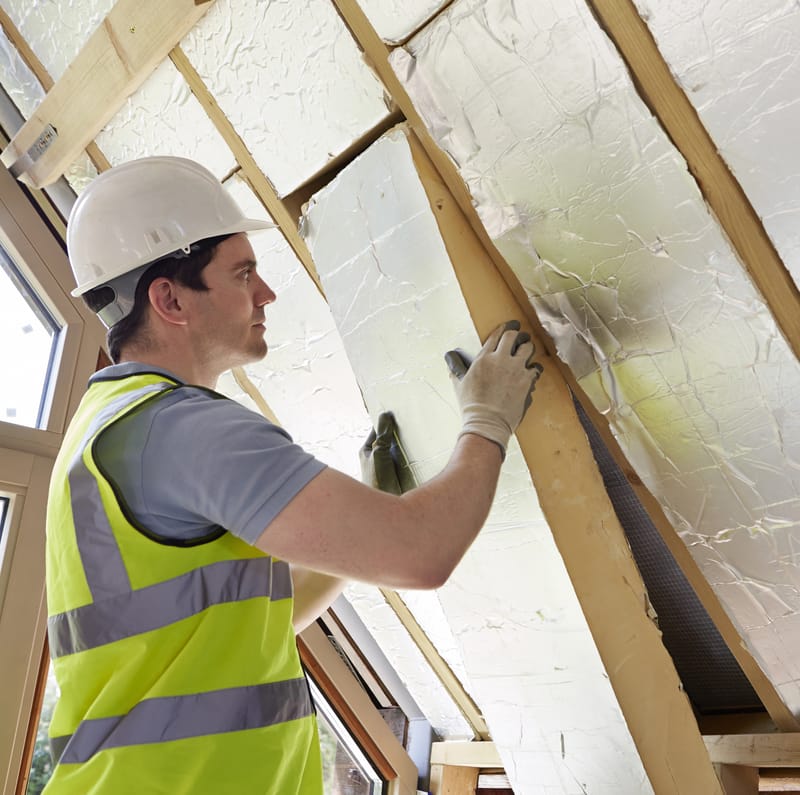
Radiant barriers are designed to reflect radiant heat away from the attic, which can be especially useful in sunny climates like Central Texas. They are often installed along the underside of the roof deck or in attic spaces where solar heat gain is a major source of discomfort.
Fiberglass Insulation
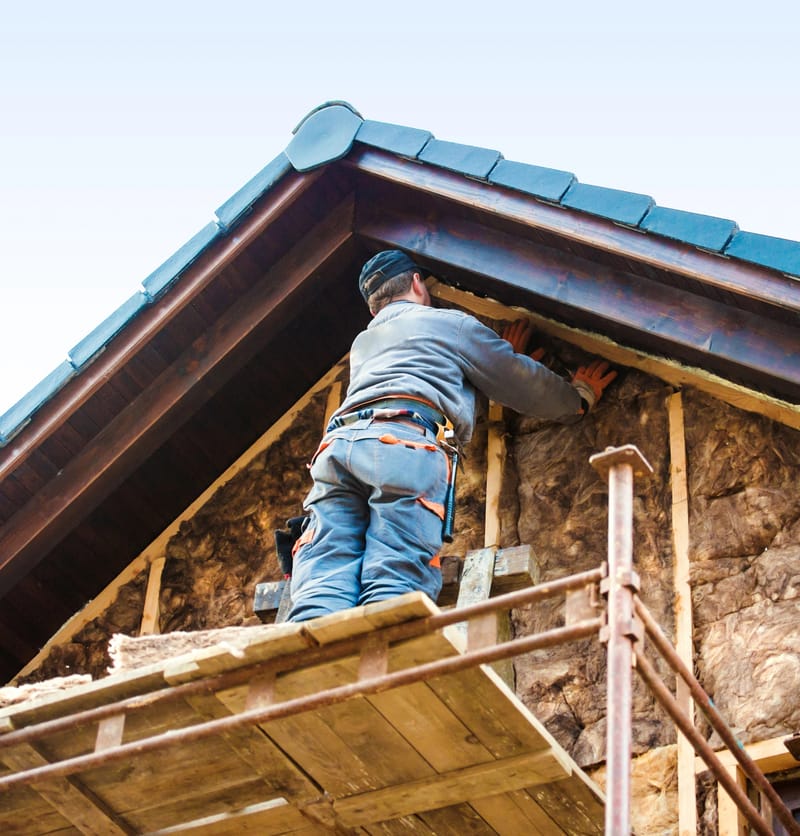
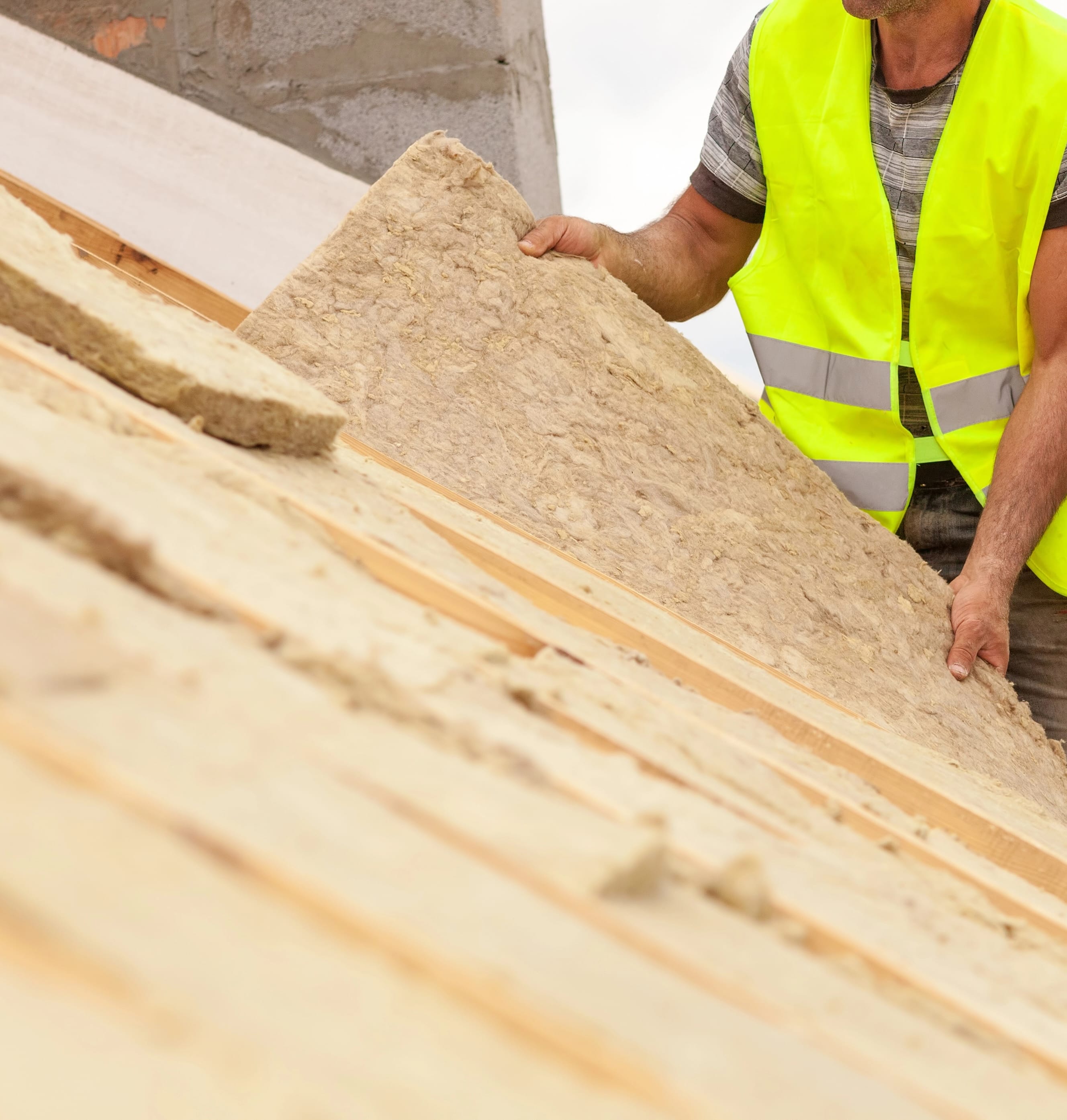
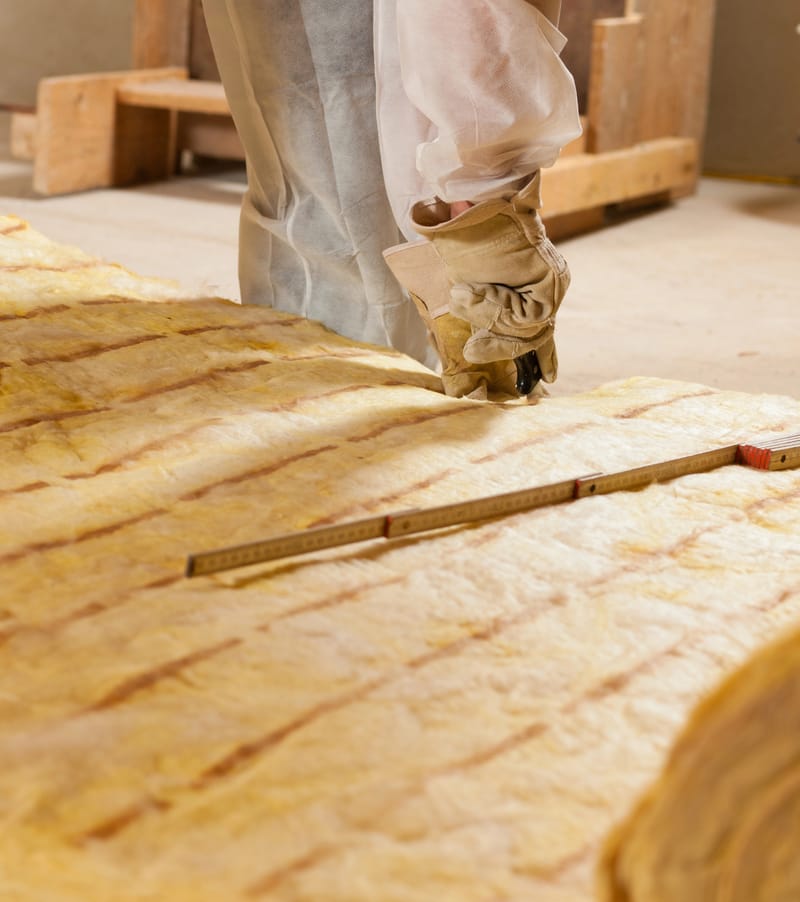
Fiberglass remains a practical and widely used choice for attic insulation, especially when homeowners need a cost-effective way to improve thermal resistance. When installed at the proper depth and coverage level, it can help slow heat transfer and support more stable indoor temperatures.
Blown-In Insulation
Blown-in insulation can fill open attic areas efficiently, which makes it useful for homes with uneven coverage, settled insulation, or hard-to-reach spaces. It can also be layered over existing insulation in certain situations, provided the old material is dry, clean, and suitable for improvement.
Hybrid Insulation Systems
Some homes benefit from a combination of roofing materials rather than a single insulation type. APEX Roofing may recommend pairing attic insulation with radiant heat control or roof improvements when the home needs a broader energy-saving solution.
Spray Foam, Radiant Barriers, and Fiberglass Options
Spray foam insulation is often appealing because it can reduce both heat transfer and unwanted air movement. In many homes, small gaps around framing, penetrations, and attic transitions allow conditioned air to escape while hot attic air pushes into areas where it does not belong. When properly applied, spray foam can help create a more controlled building envelope, which may reduce the strain on your air conditioner during long Texas summers.
Radiant barriers take a different approach by focusing on reflected heat rather than traditional insulation depth. Since roof surfaces in Central Texas can absorb intense solar radiation, a radiant barrier can help limit how much heat radiates from the roof deck into the attic below. This option can be especially useful when paired with proper attic ventilation and adequate insulation above the ceiling line, because each part of the system addresses heat in a different way.
Fiberglass insulation remains a strong option for many homeowners because it is familiar, effective, and budget-conscious when installed correctly. The key phrase is "installed correctly," because gaps, compression, thin spots, moisture, and poor coverage can reduce performance quickly. APEX Roofing pays attention to the details that matter, including insulation depth, attic access points, ventilation pathways, and the overall condition of the roof system above the insulation.
Benefits of Roof Insulation
A better-insulated roof and attic system can help your home feel noticeably more comfortable, especially during the hottest parts of the year. When heat transfer slows down, rooms are less likely to feel stuffy, uneven, or difficult to cool, even when the outdoor temperature climbs. This can make daily life more pleasant while also helping your HVAC system work more efficiently.
Energy savings are one of the main reasons homeowners invest in roof insulation installation. When your attic is under-insulated or poorly sealed, cooled air can escape while heat enters faster than your air conditioner can comfortably manage. Energy-efficient roofing insulation helps reduce that burden, which may support lower utility costs over time and help your home use energy more responsibly.
Roof insulation can also support the long-term health of the roofing system. Excessive attic heat can contribute to premature wear, especially when poor ventilation and weak insulation allow heat to build beneath the roof deck. When insulation, roofing, and ventilation work together, your home has a better chance of maintaining stable attic conditions that are easier on the roof and more comfortable for the people living below it.
Lower Energy Bills Start in the Attic
Many homeowners focus on windows, doors, thermostats, and air conditioners when energy bills rise, yet the attic is often one of the biggest sources of wasted energy. Since warm air moves easily through weak points and heat collects beneath the roof, an underperforming attic can quietly make the entire home harder to cool. Improving attic insulation gives your home a stronger defense against heat gain, which can reduce how often your HVAC system has to fight against outdoor conditions.
A poorly insulated attic can create a cycle where your air conditioner runs longer, rooms still feel warm, and energy bills continue to climb. That cycle is frustrating because the problem is not always the HVAC unit itself, even though the symptoms often make it seem that way. APEX Roofing helps homeowners identify whether roof-related heat transfer, attic insulation gaps, or ventilation problems are contributing to the issue before recommending the next step.
Good insulation does not make your home immune to Texas heat, but it can help your home respond to it more efficiently. Instead of letting the attic become a heat reservoir that radiates downward all afternoon and evening, proper insulation helps separate the living space from the hottest part of the house. That separation is one of the most important reasons insulation upgrades can make such a meaningful difference in day-to-day comfort.
Year-Round Comfort for Central Texas Homes
Central Texas homeowners usually think about insulation during summer, but the benefits can continue throughout the year. During cooler months, insulation helps slow heat loss from the living space, which can make your home feel warmer without forcing your heating system to work as hard. That year-round value makes attic insulation one of the more practical upgrades for homeowners who want comfort in every season.
Comfort also depends on consistency from room to room. When one bedroom feels warm, another feels cold, and the main living area never seems to settle, your home may have uneven insulation coverage or attic conditions that are affecting certain areas more than others. APEX Roofing can inspect the attic and roof system to determine whether insulation upgrades may help reduce those frustrating temperature swings.
A comfortable home should not require constant thermostat adjustments. When insulation performs well, your indoor temperature is easier to maintain, and your HVAC system can operate with less dramatic cycling throughout the day. This creates a smoother, more balanced indoor environment that feels better without requiring you to micromanage your cooling or heating settings.
Longer Roof Lifespan Through Better Heat Control
Your roof takes a beating in Central Texas, where heat, sunlight, wind, hail, and seasonal storms can all affect performance. While insulation does not replace high-quality roofing materials, it can help manage attic conditions that influence how the roof ages from beneath. A roof system that is constantly exposed to trapped attic heat may experience extra stress, especially if ventilation is also poor.
Heat buildup under the roof deck can contribute to material fatigue over time. Shingles, underlayment, decking, and attic components all perform better when the home is built and maintained as a complete system rather than a collection of disconnected parts. APEX Roofing looks at insulation and roofing together, because energy savings and roof durability often depend on the same underlying details.
This kind of system-based thinking is especially important when homeowners are already planning roof repairs or replacement. If your roof is being upgraded, it may be the right time to evaluate attic insulation and energy-saving improvements as well. Coordinating these services can help prevent missed opportunities, reduce future disruption, and make sure your home gets the full benefit of the work being done.
Signs Your Home May Need Better Roof Insulation
Some insulation problems are obvious, while others slowly develop as materials settle, age, or become less effective. If your home feels harder to cool than it used to, your attic insulation may no longer be doing its job as well as it should. A professional inspection can help separate normal Texas heat challenges from correctable insulation and roofing issues.
Common signs may include:
Rising Energy Bills
If your energy usage has increased without a major change in household habits, your attic and roof system may be allowing too much heat into the home. Insulation improvements can help reduce wasted energy when heat transfer is part of the problem.
Hot or Uneven Rooms
Rooms directly below the attic often reveal insulation problems first, especially when they feel warm even with the air conditioner running. Uneven temperatures may point to thin insulation, air leaks, ventilation issues, or heat radiating from the roof deck.
Overworked HVAC Equipment
An air conditioner that runs constantly may be compensating for heat gain rather than simply struggling with age. Better attic insulation can help reduce that workload when the home is losing cooled air or absorbing too much heat.
Extremely Hot Attic Spaces
Attics in Texas will get hot, but extreme heat buildup can make cooling the living space much harder. Radiant barriers, improved ventilation, and proper insulation may help bring the system into better balance.
Aging or Settled Insulation
Older insulation can lose effectiveness when it settles, shifts, becomes compressed, or gets disturbed during other home projects. APEX Roofing can evaluate existing attic insulation and recommend whether it should be supplemented, corrected, or replaced.
Our Roof Insulation Installation Process
Inspection and Energy Review
APEX Roofing checks the attic, roof condition, insulation coverage, and possible heat-transfer issues. This step helps identify whether the home needs attic insulation, radiant heat control, roof repairs, ventilation improvements, or a combination of services.
Customized Recommendation
After reviewing the home, the team explains which insulation options make the most sense and why. The recommendation may include spray foam, fiberglass, blown-in insulation, radiant barriers, or other energy-efficient roofing insulation solutions based on your goals.
Clear Estimate and Scope
Homeowners receive a straightforward estimate that outlines the work, materials, and expected project approach. This helps you understand what is being installed and how it supports comfort, efficiency, and long-term roof performance.
Professional Installation
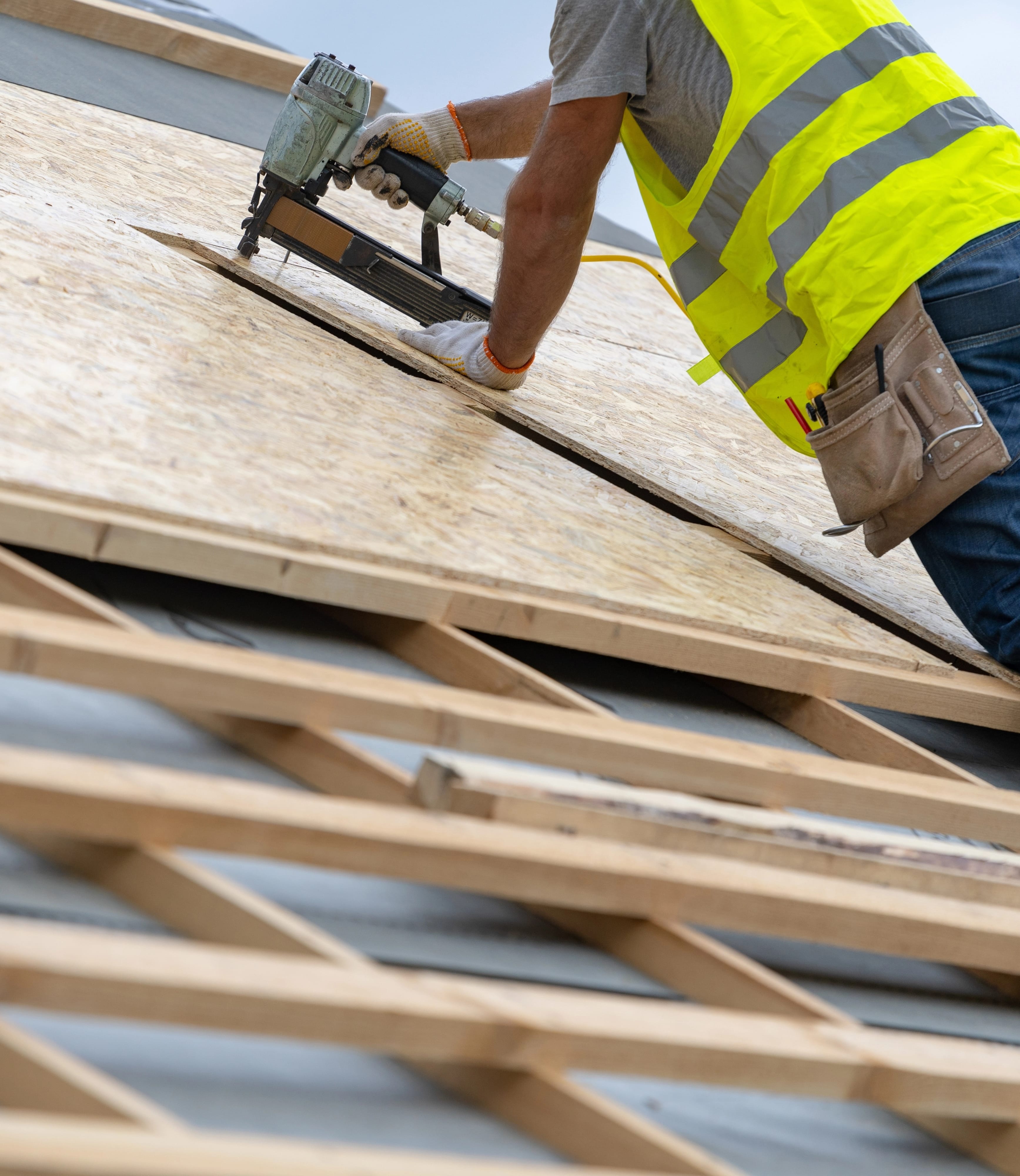
The insulation is installed with careful attention to coverage, access points, ventilation areas, and roof system compatibility. Proper installation matters because even good materials can underperform when gaps, compression, or blocked airflow are ignored.
Final Review and Homeowner Guidance
After the work is complete, APEX Roofing reviews the finished project and explains how the improvements support energy savings. You also receive practical guidance on what to watch for over time, especially if future roof or attic work is planned.

Why Choose APEX Roofing
APEX Roofing understands how Central Texas homes handle heat, storms, sun exposure, and seasonal temperature swings. That local experience matters because insulation choices that work well in one region may not be the best fit for homes facing long, intense cooling seasons. When you choose a contractor with regional knowledge, you get recommendations shaped by real conditions rather than generic advice.
The team also brings roofing expertise to a service that many homeowners mistakenly view as separate from the roof. Since attic insulation, ventilation, decking, shingles, and radiant heat all interact, a roofing-focused approach can uncover problems that a basic insulation-only visit might miss. APEX Roofing helps homeowners improve energy performance while keeping the broader roof system in mind.
Service quality matters just as much as product selection. APEX Roofing focuses on clear communication, honest recommendations, careful installation, and practical solutions that support long-term value. Homeowners deserve a contractor who can explain the work clearly, respect the home, and deliver insulation upgrades that make sense for both comfort and cost savings.
Local Expertise Makes a Difference
Central Texas homes face a unique combination of scorching summers, sudden storms, strong sun exposure, and long cooling seasons. These conditions make insulation especially important, because even small weaknesses in the attic can become expensive comfort problems when temperatures stay high for months. APEX Roofing understands how to evaluate homes in this climate and recommend improvements that match local demands.
Local expertise also helps when insulation upgrades overlap with roofing concerns. If your roof has storm damage, aging materials, poor ventilation, or deck issues, installing insulation without understanding those conditions can lead to incomplete results. APEX Roofing brings both roof knowledge and insulation service experience to the table, which helps homeowners make smarter decisions from the beginning.
Choosing a local team also makes the service process easier. APEX Roofing is familiar with the construction styles, weather patterns, and homeowner concerns common throughout Central Texas. That familiarity helps the team provide practical guidance without overselling solutions that do not fit your home.
Energy-Efficient Roofing Insulation Is a Smart Home Upgrade
Energy-efficient roofing insulation is one of those upgrades that improves how your home feels every day while also supporting long-term performance. Unlike cosmetic projects, insulation works quietly in the background, helping your home resist heat transfer, reduce wasted energy, and maintain more stable indoor temperatures. The value becomes especially clear during peak summer, when a better-protected attic can help your home feel less overwhelmed by the weather outside.
This service is also valuable because it pairs well with other roof and attic improvements. If you are planning a roof replacement, repairing storm damage, improving ventilation, or addressing moisture concerns, it makes sense to evaluate insulation at the same time. Coordinated improvements can create a stronger overall system and help you avoid opening the same areas of the home more than once.
For many homeowners, the best part is that insulation upgrades can make the home feel better without requiring a major lifestyle change. You do not have to constantly adjust the thermostat, avoid certain rooms, or accept high energy bills as a normal part of living in Texas. APEX Roofing can help you identify the right path toward better efficiency, stronger comfort, and a home that feels easier to manage.
Maximize Energy Efficiency with APEX Roofing
Choosing APEX Roofing means choosing a local team that looks at the whole picture. The team understands how roofing, ventilation, radiant heat, and insulation work together, which allows them to recommend solutions that are practical, effective, and built around your home's needs. Whether you are dealing with hot rooms, high utility bills, or an attic that needs attention during a larger roof project, APEX Roofing is ready to help.

Testimonials
Real Customers Love Us