Commercial Roof Inspection Services
A commercial roof protects inventory, equipment, employees, tenants, and the day-to-day operations happening underneath it. Small roofing problems can quickly turn into water damage, interrupted operations, and more expensive repairs when they go unnoticed.
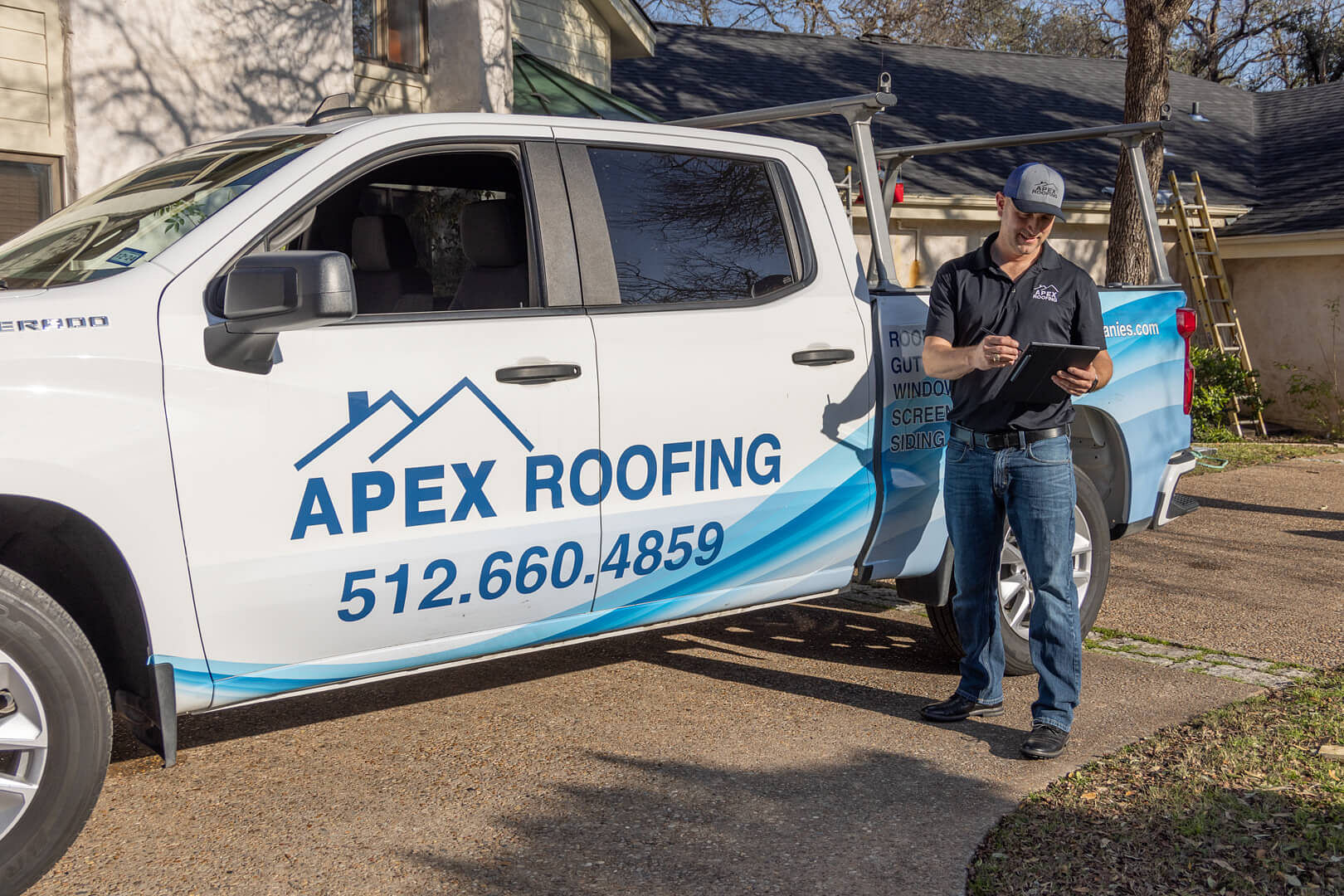
APEX provides professional commercial roof inspection services to help property owners, business owners, and building managers understand the condition of their roofing system and identify potential problems before they become costly.
Have a roof emergency & need help right now?
Why Commercial Roof Inspections Matter
Commercial roofs often develop problems gradually. A small membrane puncture, loose flashing, clogged drain, or deteriorated seam may not cause an obvious leak immediately. Water can travel beneath roofing materials or insulation before it becomes visible inside the building. A commercial roof inspection can help you:
- Find leaks and potential water-entry points-Identify storm, wind, or hail damage
- Detect damaged seams, flashing, and penetrations
- Find drainage and ponding-water problems
- Evaluate aging or deteriorated roofing materials
- Determine whether repairs or maintenance are needed
- Plan for future roofing expenses
- Reduce the risk of unexpected roof problems
Knowing what is happening on the roof also makes it easier to prioritize repairs instead of waiting for a problem to become an emergency.
Commercial Services
Signs Your Commercial Roof Needs an Inspection
You do not have to wait for an active leak to have your roof inspected. In many cases, the best time to find a roofing problem is before water reaches the interior of the building.
Consider scheduling a commercial roof inspection if you notice:
- Water stains on ceilings or walls-Active dripping or leaking
- Ponding water on a flat roof
- Damaged or loose roofing materials
- Cracked, separated, or deteriorated seams
- Loose flashing around roof edges or penetrations
- Interior moisture or unexplained damp areas
- Roof damage following strong winds, hail, or severe storms
An inspection is also worthwhile when purchasing a commercial property, planning major building improvements, or evaluating an older roofing system that has not been inspected recently.
What APEX Checks During a Commercial Roof Inspection
APEX examines the roof for visible signs of deterioration, damage, and potential water intrusion. Depending on the roofing system and building, the inspection may include checking:
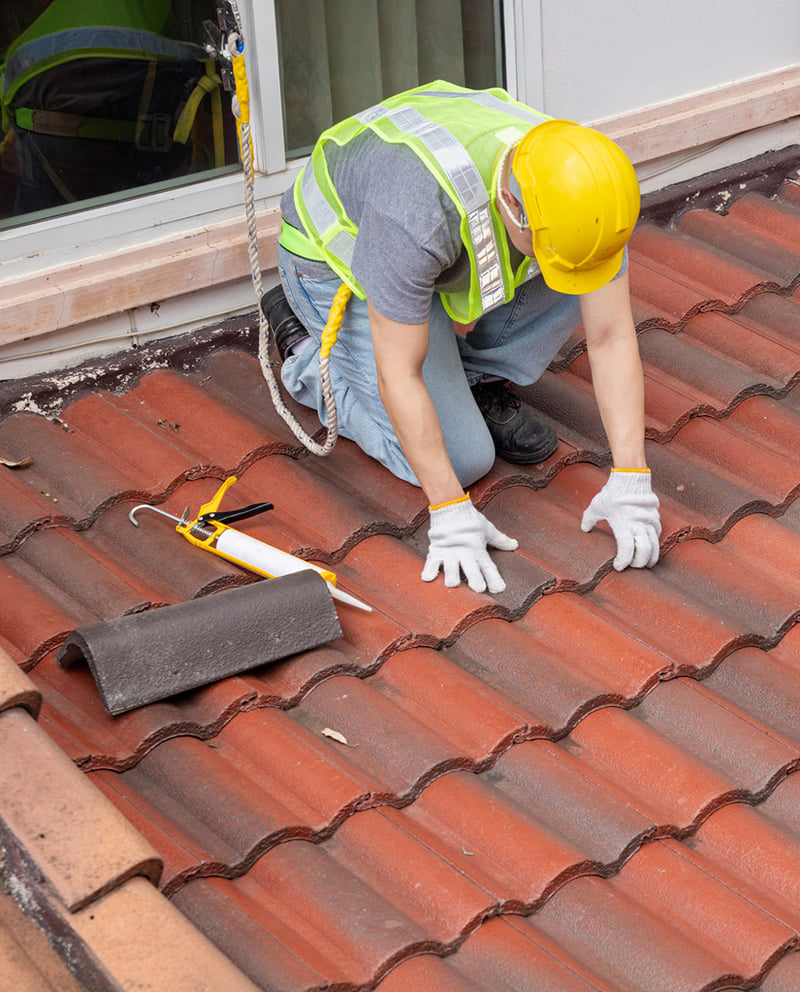
Roofing membranes and surfaces for punctures, cracks, deterioration, open seams, and other damage.
Flashing and roof edges for loose, damaged, or deteriorated materials that could allow water to enter.
Roof penetrations around vents, pipes, HVAC equipment, curbs, and other areas where the roofing system has been interrupted.
Drainage areas including drains, scuppers, gutters, and other components responsible for moving water off the roof.
Ponding-water areas where poor drainage or changes in the roof surface allow water to remain after rainfall.
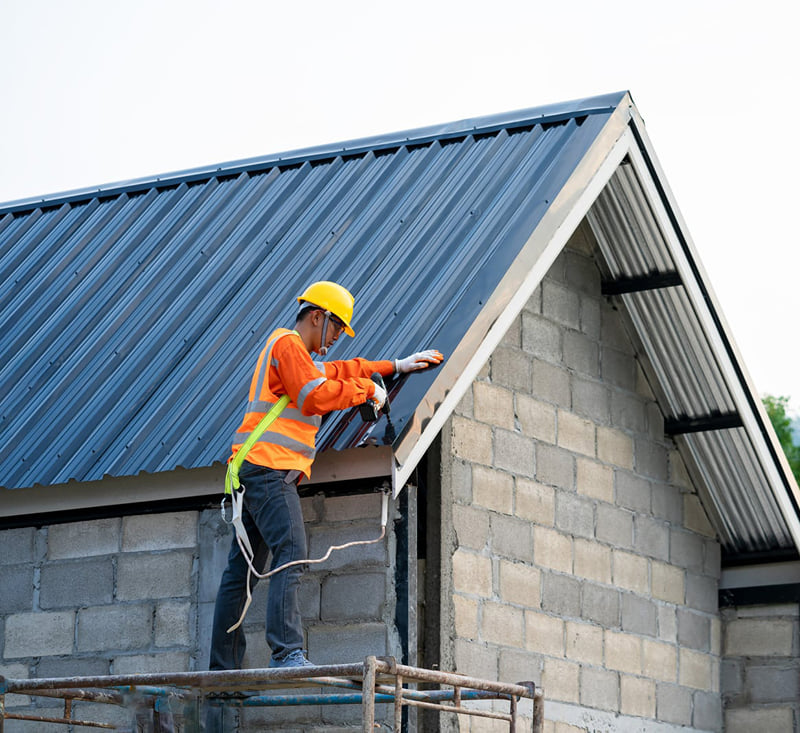
Metal roofing components for loose panels, fastener issues, damaged seams, corrosion, and other visible concerns.
TPO and other membrane systems for seam problems, punctures, surface deterioration, flashing failures, and damage around penetrations.
The goal is to identify existing problems as well as conditions that may lead to future repairs.
Inspections for Flat and Low-Slope Commercial Roofs
Flat and low-slope roofs require particular attention because water does not leave the roof as quickly as it does on a steep-slope roofing system. Drainage problems, membrane damage, deteriorated seams, and penetrations are common areas of concern. Ponding water can also place additional stress on a roofing system and may indicate that drains are blocked or that the roof is no longer draining as intended. Periodic inspections can help catch these conditions before they contribute to leaks or more extensive roof damage.
More Information
Commercial Metal Roof Inspections
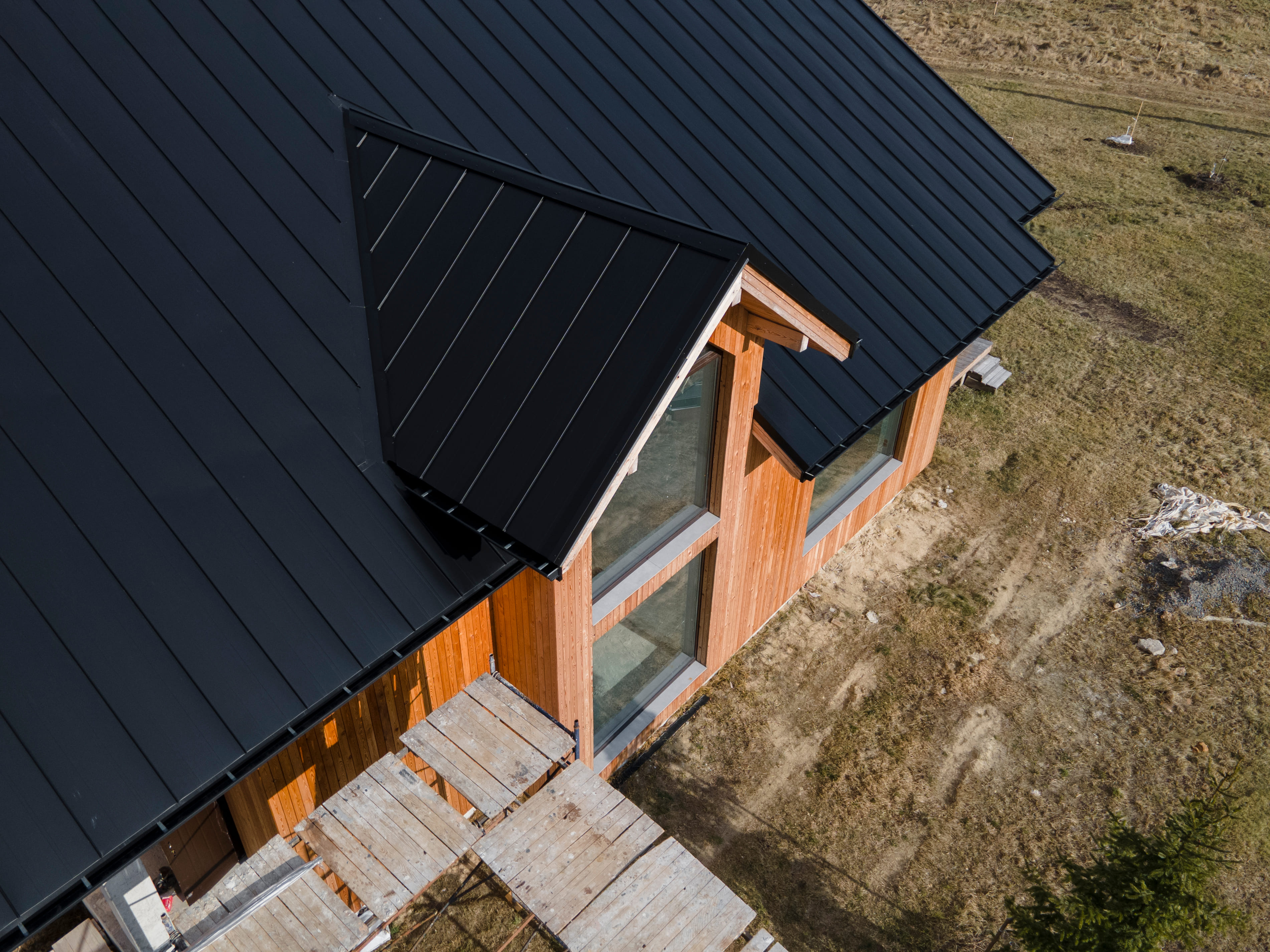
Commercial metal roofing is durable, but it still requires inspection and maintenance. Temperature changes cause metal roofing components to expand and contract over time. Fasteners, seams, flashing, sealants, penetrations, and roof edges can all develop problems as the roof ages. A commercial metal roof inspection can identify areas that may need sealing, fastening, repair, or further evaluation before water intrusion becomes a larger issue.
TPO Roof Inspections
TPO is widely used on commercial buildings because it provides a durable, lightweight roofing membrane for low-slope roofs. Like any membrane roof, however, TPO can be damaged by foot traffic, rooftop equipment, weather, debris, or normal aging. Seams and flashing around roof penetrations are also important areas to inspect. APEX can evaluate the visible condition of the TPO system and identify areas where repairs or additional attention may be needed.
Schedule an Inspection After Severe Weather
Commercial roofs should also be checked following significant storms, especially when a property has experienced high winds, hail, falling debris, or other severe weather. Take careful note: not every type of storm damage is immediately obvious from the ground or from inside the building. An inspection can help determine whether roofing materials, flashing, seams, drainage components, or other areas were affected. If a leak appears after a storm, having the roof inspected promptly can also help locate the likely source and determine the appropriate repair.
Use Roof Inspections to Plan Maintenance and Repairs
A commercial roof inspection does more than identify immediate problems. It can help property owners and managers make better decisions about the roof over time. Accordingly, some issues may require prompt repair, while others can be monitored or incorporated into routine maintenance. Understanding the current condition of the roof allows you to prioritize work, budget for upcoming needs, and avoid replacing components unnecessarily. For businesses and commercial property owners, that means fewer surprises and a clearer plan for protecting the building.
Schedule a Commercial Roof Inspection with APEX
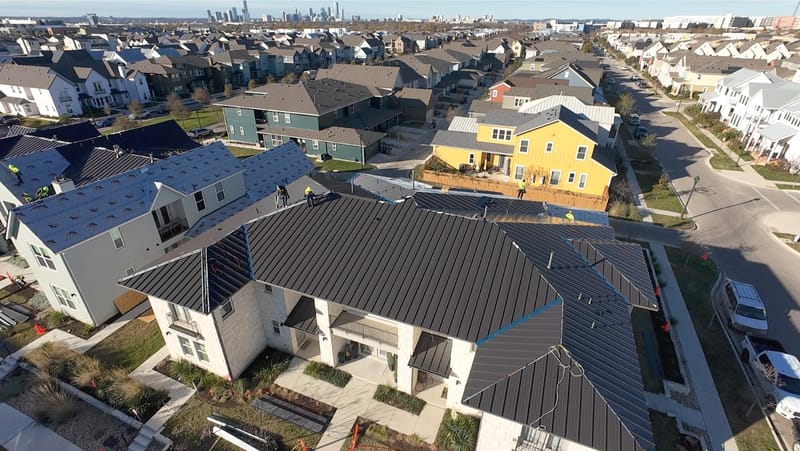
If you have noticed a leak, recently experienced severe weather, or simply want to know the condition of your commercial roof, APEX can help. Schedule a commercial roof inspection to identify damage, drainage problems, deterioration, and repair needs before a minor roofing issue becomes a more expensive problem.
Contact APEX today to schedule your commercial roof inspection.

Testimonials
Real Customers Love Us