When to Replace Your Roof
When to Replace Your Roof
A roof rarely reaches a point where it simply stops working overnight. More often, homeowners notice a series of smaller warning signs: a leak that comes back after a repair, shingles that look worse every year, granules collecting in the gutters, or storm damage that seems more extensive than it first appeared. Knowing when to replace your roof means looking at those clues together rather than waiting for one dramatic failure.
At APEX Roofing, we know that homeowners generally do not want to replace a roof earlier than necessary, but waiting too long can allow relatively contained roofing problems to become more expensive issues involving decking, insulation, ceilings, or other parts of the home. Understanding what your roof is telling you can help you decide whether a repair still makes sense or whether replacement has become the better long-term investment.
Roof Age Is a Useful Starting Point
Every roofing material has an expected service life, although age alone does not determine exactly when a roof needs to be replaced. Asphalt shingle roofs, for example, can provide many years of service, but their actual lifespan depends on the product, installation quality, ventilation, weather exposure, maintenance, and other conditions specific to the home.
As a roof gets older, inspections become increasingly important because multiple components may begin aging at the same time. A relatively young roof with one damaged shingle may need nothing more than a repair, while an older roof showing wear across large sections may be approaching the point where repairing individual problems no longer provides good value.
Knowing when the roof was installed gives you useful context, but condition matters more than the calendar. If you do not know the roof's age, a professional inspection can help evaluate its current state and identify signs of advanced wear.
When Do Repeated Roof Leaks Become a Bigger Problem?
One leak does not automatically mean that your entire roof needs replacement. Water can sometimes enter through a localized problem involving flashing, a damaged shingle, a vent, or another specific area, and a properly completed repair may solve the issue.
Repeated leaks tell a different story, particularly when they develop in multiple areas of the roof. If you repair one location only to discover another leak several months later, deteriorating materials or widespread installation problems may be allowing water to enter through several vulnerable points.
Recurring water intrusion can also damage components beneath the visible roofing material. Wet decking, deteriorated insulation, staining, and moisture inside the attic can turn an ongoing roofing problem into a larger repair project, so repeated leaks deserve more than another temporary patch without investigating the overall condition of the roof.
Visible Roof Damage Should Not Be Ignored
Some of the clearest signs that a roof needs attention can be seen from the ground. Missing shingles, broken shingles, exposed areas, damaged flashing, and sections that appear noticeably different from the surrounding roof can all indicate that the system is no longer providing consistent protection.
The extent of the damage matters. A handful of shingles lost during a storm may be repairable, especially on a newer roof that is otherwise in good condition, while widespread damage across several slopes can make replacement more practical.
Color differences alone do not necessarily indicate a problem, but a roof that looks increasingly uneven, patchy, or deteriorated deserves an inspection. The goal is to determine whether you are seeing isolated damage or a broader pattern of aging.
Curling and Cracked Shingles Signal Aging
As asphalt shingles age, they may begin to curl at the edges, crack, blister, or lose their original shape. These changes can occur because of long-term exposure to sunlight, heat, moisture, ventilation problems, manufacturing characteristics, or normal material aging.
A few damaged shingles can often be replaced individually, but widespread curling or cracking usually suggests that the roofing material is deteriorating throughout the system. At that point, replacing one shingle at a time may address what you can see without solving the larger issue.
If large sections of your roof show similar deterioration, it is worth discussing replacement rather than continuing a cycle of increasingly frequent repairs.
Granule Loss Can Reveal the Roof's Condition
Asphalt shingles are covered with mineral granules that help protect the underlying material from sunlight and weather. Some granule loss is normal, particularly when a roof is new or after severe weather, but excessive loss can indicate aging or damage.
You may notice granules accumulating in gutters or at the ends of downspouts, although their presence alone does not tell you whether replacement is necessary. The more important question is what the shingles themselves look like. Areas that have lost substantial amounts of their surface granules may appear smoother, darker, or noticeably different from the rest of the roof.
Widespread granule loss can reduce the protection provided by the shingles and is often one of several signs that an aging roof is moving closer to replacement.
A Sagging Roof Requires Prompt Attention
A roofline should generally appear straight and structurally consistent. If part of the roof appears to sag, dip, or deform, the issue may involve decking, framing, prolonged moisture exposure, or another structural concern beneath the roofing material.
Sagging is different from ordinary cosmetic wear because it can point to a problem with the structure supporting the roof. It should be inspected promptly rather than treated as something to monitor casually over the next several seasons.
The appropriate solution depends on what is causing the sagging and how extensive the damage has become. In some situations, structural repairs and roof replacement may need to be addressed together.
What Does Storm Damage Mean for Your Roof?
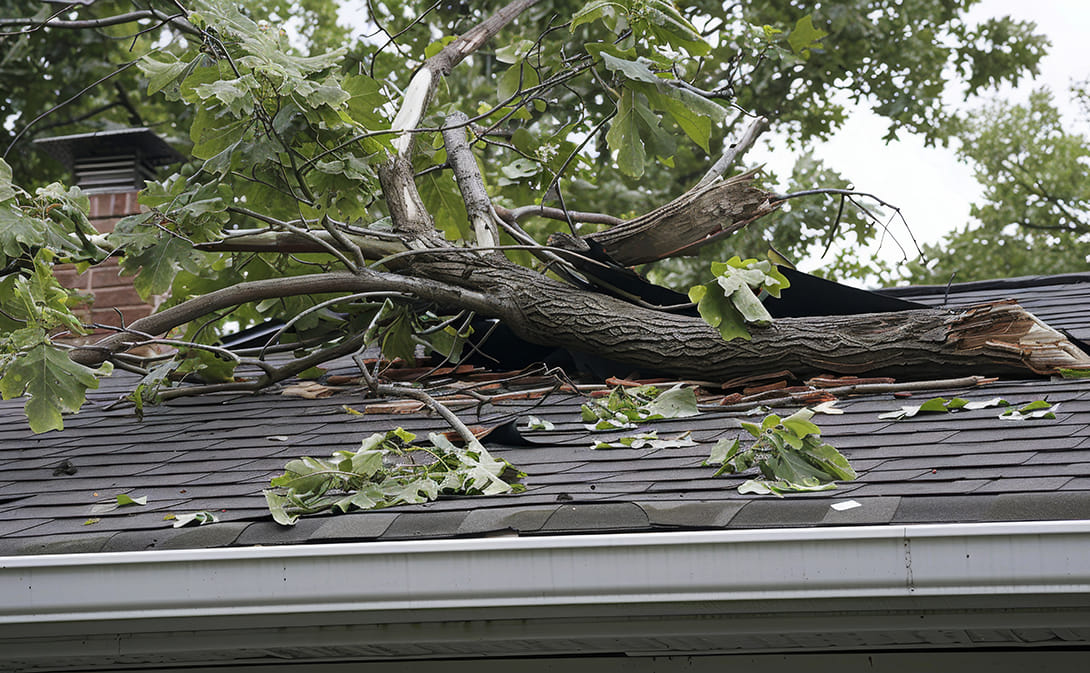
Severe weather can shorten the life of a roof even when the roofing materials were performing normally beforehand. High winds can lift, loosen, or remove shingles, while hail can damage their surface and falling branches can cause punctures or localized structural damage.
Storm damage is not always obvious from the ground. Shingles may remain attached while still sustaining impact damage, and flashing or roof edges can be affected in areas that homeowners cannot easily see. After a significant hailstorm, windstorm, or falling-tree event, an inspection can help determine whether the roof suffered meaningful damage.
Replacement is not automatically necessary after every storm. The decision depends on the severity and distribution of the damage, the age of the existing roof, and whether repairs can restore the affected areas without leaving the rest of the roof vulnerable.
Poor Ventilation Can Shorten Roof Life
Ventilation does not receive as much attention as shingles, but attic ventilation can influence how a roof performs over time. A properly designed system helps manage heat and moisture, reducing conditions that can place unnecessary stress on roofing components.
Inadequate ventilation can contribute to excessive heat buildup and moisture problems within the attic. Over time, those conditions may affect the roof deck, insulation, and roofing materials, sometimes accelerating deterioration.
If a roof has aged prematurely, ventilation should be considered as part of the larger evaluation. Simply installing new roofing material without addressing an underlying ventilation problem could allow the same conditions to affect the replacement roof.
Frequent Repairs Can Become a Sign in Themselves
A repair makes sense when it solves a defined problem on a roof that still has substantial useful life remaining. The situation changes when repairs become routine rather than occasional.
If you are calling a roofing contractor repeatedly for leaks, loose shingles, flashing issues, or new areas of deterioration, the combined cost of those repairs can begin approaching the value of replacing the roof. Even if each individual repair seems manageable, the pattern may indicate that the roofing system is reaching the end of its practical service life.
At that point, replacement can provide greater predictability. Instead of waiting for the next problem and paying for another localized fix, you can address the aging system as a whole.
When Is a Roof Repair Enough?
Not every roofing problem requires replacement, and a reputable recommendation should take that into account. If the roof is relatively young, most of the materials remain in good condition, and damage is confined to a small area, repair may be the more sensible option.
Examples can include replacing several shingles lost to wind, repairing flashing around a vent or chimney, correcting a localized leak, or addressing a small area damaged by a fallen branch. A focused repair allows you to preserve the remaining useful life of the roof without replacing materials that are still performing properly.
The key is determining whether the problem is truly isolated. If the surrounding roofing materials are also deteriorating, a repair may only postpone a larger project for a short period.
When Is Replacement the Smarter Choice?
Replacement becomes more attractive when roofing problems are widespread rather than localized. An older roof with repeated leaks, substantial granule loss, curling shingles, storm damage across multiple slopes, or numerous previous repairs may no longer be a good candidate for continued patching.
Replacement can also make sense when repairing one major section would leave the homeowner with an aging roof elsewhere that is likely to require additional work soon. In those circumstances, spending more on repeated repairs can sometimes cost more over time while providing less confidence in the roof as a complete system.
The decision should consider both immediate cost and expected future performance. A repair that buys many more years of dependable service can be worthwhile, while an expensive repair that merely delays replacement for a short period may not be.
An Inspection Provides the Full Picture
Many important roofing problems are difficult to evaluate from the ground. A professional inspection allows the contractor to examine the condition of the roofing material, flashing, vents, penetrations, roof edges, and other components while also looking for patterns that may indicate broader deterioration.
The inspection can also help separate cosmetic aging from conditions that affect the roof's ability to protect the home. A roof does not need to look brand-new to remain serviceable, just as a roof that looks acceptable from the driveway can still have problems in less visible areas.
An informed decision about when to replace a roof should therefore be based on its overall condition, not one photograph, one leak, or a general rule about age.
Planning Ahead Can Make Roof Replacement Easier
Waiting for a major leak to force an emergency decision gives you fewer opportunities to compare materials, understand the project, review estimates, and decide what roofing system makes the most sense for your home. If your roof is already showing several signs of aging, beginning the conversation early can make the eventual replacement much easier to plan.
You do not necessarily need to replace a roof the moment the first warning sign appears. Instead, an inspection can help establish whether the roof has years of useful life remaining, needs targeted repairs, or is approaching the point where replacement should be budgeted.
APEX Roofing Can Help You Decide What Comes Next
Knowing when to replace your roof usually comes down to the combination of age, condition, leaks, visible deterioration, storm exposure, ventilation, and repair history. One isolated issue may be perfectly repairable, while several problems appearing across an older roof can indicate that replacement is becoming the more practical option.
APEX Roofing can inspect your roof, identify the source and extent of existing problems, and explain whether repair or replacement makes the most sense for your property. If you are seeing missing or curling shingles, recurring leaks, storm damage, granule loss, sagging, or an increasing number of repairs, scheduling a professional evaluation can give you a clearer picture of your roof's condition and help you plan the next step with confidence.