Roof Inspection Checklist for Georgetown, TX Homes
Roof Inspection Checklist for Georgetown, TX Homes
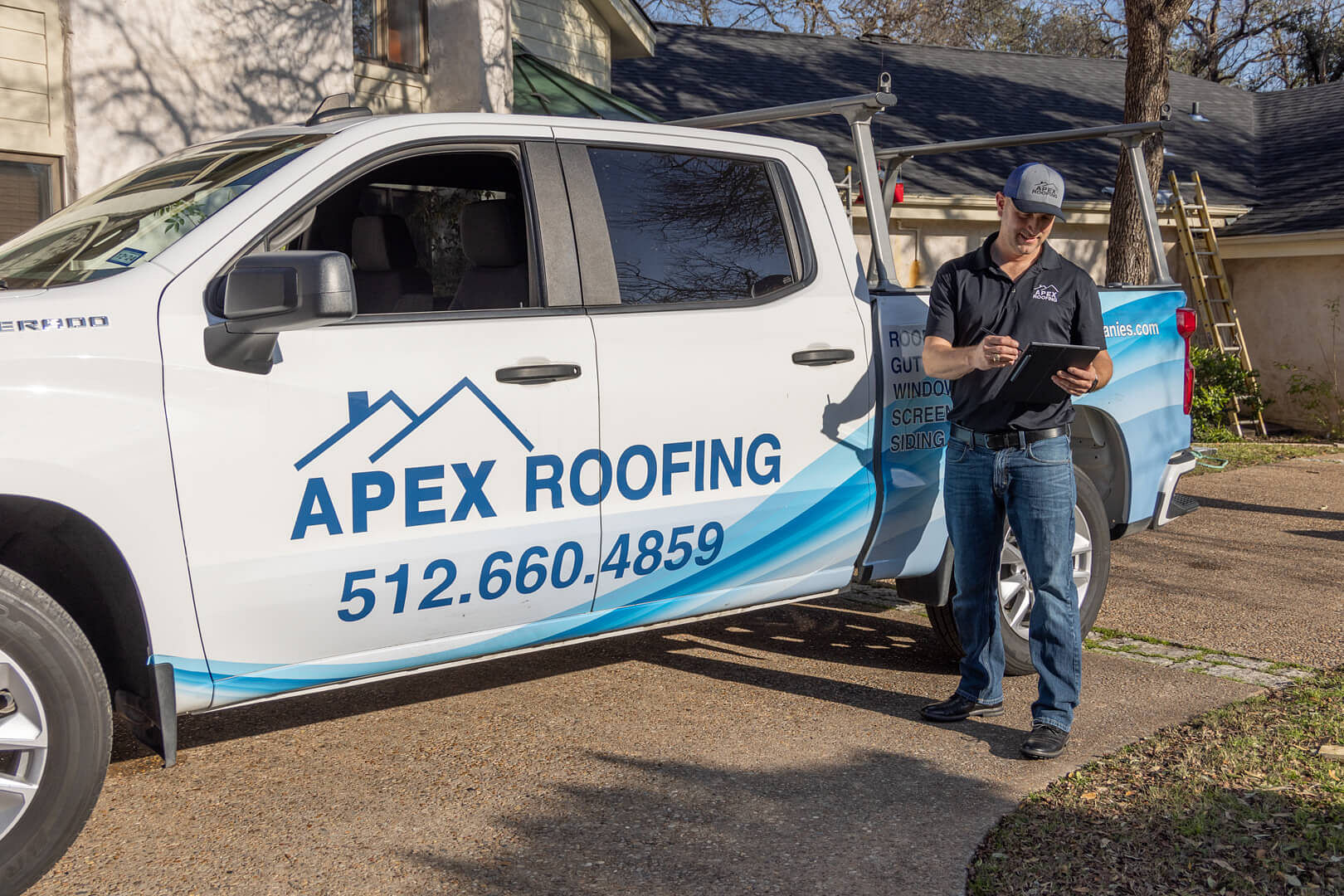
Your roof does a lot more than sit on top of your house and keep the rain out, especially in Georgetown, where hot Texas sun, sudden storms, high winds, and the occasional hail event can all take a toll over time. Because roof problems often begin quietly before they turn into visible leaks, a roof inspection checklist for Georgetown homeowners can make it easier to spot early warning signs and know when it is time to call a professional.
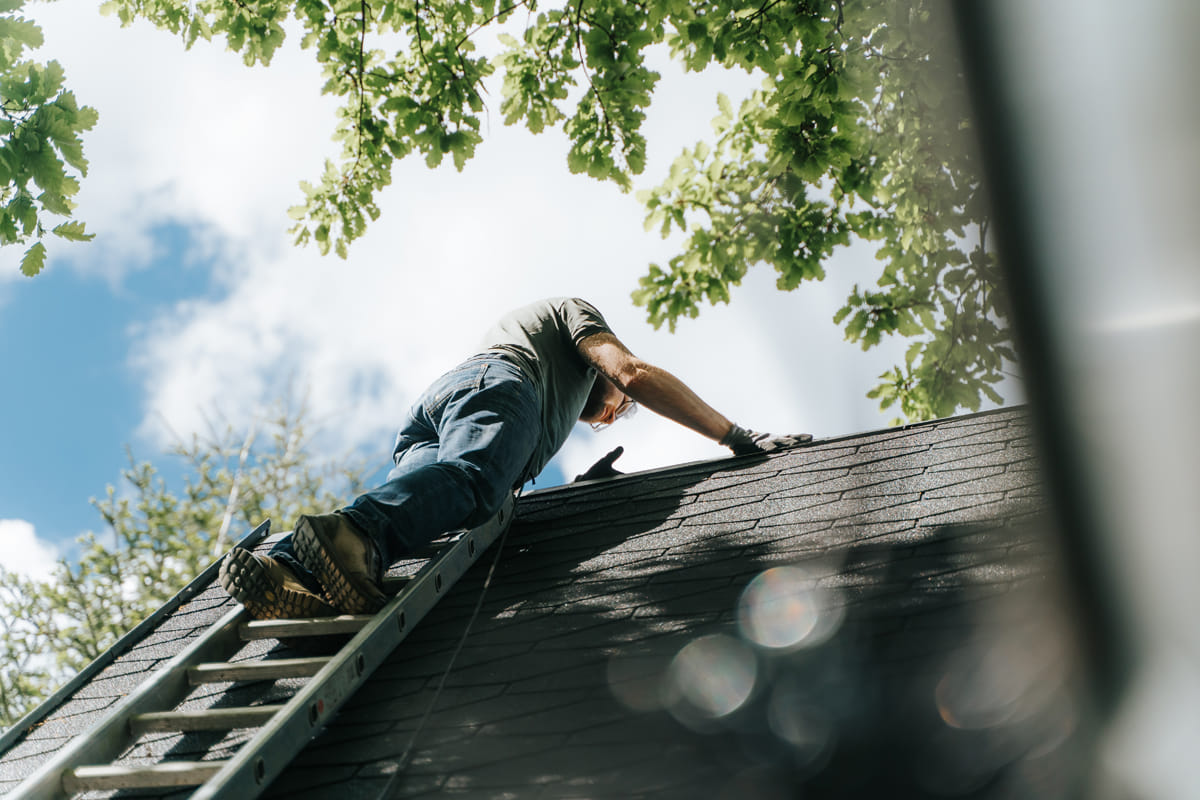
While you should never climb onto a roof if you are not trained, equipped, and comfortable doing so safely, you can still learn a great deal from the ground, your attic, your gutters, and the rooms inside your home. APEX Roofing helps Georgetown homeowners inspect, repair, and maintain their roofing systems, and knowing what to look for can help you protect your home before small issues become expensive repairs.
Why Do Georgetown Homeowners Need Regular Roof Inspections?
Georgetown weather can be beautiful one day and rough on your roof the next, which is why regular inspections matter even when everything looks fine from the driveway. Heat can dry out roofing materials, storms can loosen shingles or flashing, and hail can damage a roof in ways that are not always easy to see without a closer look.
A roof inspection is not only for homes with obvious leaks. In many cases, the best time to inspect your roof is before you notice water stains, missing shingles, or ceiling damage, because preventive attention gives you more choices and usually helps you avoid emergency repairs.
For most homeowners, a seasonal roof review is a smart habit, especially after major storms or long periods of extreme heat. When you combine your own basic visual checks with professional inspections from APEX Roofing when needed, you have a better chance of catching roof concerns while they are still manageable.
Start With a Ground-Level Roof Check
The safest place to begin your roof inspection checklist is from the ground. Walk around your home slowly, look at each roof slope from different angles, and pay attention to anything that looks uneven, loose, lifted, darkened, or out of place.
You may notice missing shingles, curled edges, sagging sections, damaged ridge caps, or areas where shingles appear darker than the surrounding roof. Even if you cannot identify the exact problem, any sudden change in roof appearance is worth noting, especially after a storm.
Binoculars can be helpful if you want a closer look without climbing a ladder. If you see damage that appears widespread or you are unsure whether a mark is cosmetic or serious, APEX Roofing can take a closer look and explain what the condition of the roof actually means.
Look for Missing, Curling, or Damaged Shingles
Shingles are one of the most visible parts of your roof, and they often show signs of aging before a leak appears inside the home. Missing shingles leave the roof more exposed, while curling or cracking shingles may suggest that the material is wearing down, losing flexibility, or struggling after years of heat and weather exposure.
In Georgetown, heat can contribute to shingle aging, especially on roof slopes that receive direct sun for much of the day. When shingles become brittle, they may be more likely to crack, shed granules, or lift during strong winds.
Damaged shingles should not be ignored, because they are part of the roof’s first line of defense. A few problem shingles may only require a repair, but widespread damage may mean the roof needs a more complete evaluation.
Check for Granules in Gutters and Downspouts
If your home has asphalt shingles, granules help protect the shingles from sun exposure and weather damage. Over time, it is normal for shingles to lose some granules, but large amounts of loose granules in gutters, downspouts, or splash blocks can point to aging shingles or storm damage.
After hail, homeowners may notice granules collecting near the base of downspouts, even if the roof still looks mostly normal from the ground. This is one reason storm-related roof damage can be easy to underestimate, because the roof may not look severely damaged while the shingle surface has still been weakened.
When granule loss becomes widespread, shingles may age faster and become less effective at protecting the home. If you see heavy granule buildup, especially after a storm, it may be time to schedule a professional inspection with APEX Roofing.
Inspect Gutters, Fascia, and Roof Edges
Your roof and gutter system work together to move water away from your home, which makes gutters an important part of any roof inspection checklist. Clogged, sagging, or damaged gutters can force water to back up under roof edges, spill against fascia boards, or collect near your foundation.
Look for gutters pulling away from the house, rusted sections, loose fasteners, overflowing areas, or downspouts that do not drain properly. If water cannot flow freely through the system, your roof edges and exterior trim may face extra moisture exposure during heavy Georgetown rain.
Fascia boards should also be checked for peeling paint, soft spots, staining, or rot. While fascia damage is not always caused by roof problems, it can be a sign that water is not draining correctly or that roof edge details need attention.
What Should You Look for Around Flashing?
Flashing is installed around areas where the roof meets another surface, such as chimneys, walls, valleys, skylights, vents, and roof penetrations. Because these areas interrupt the roof surface, they are common places for leaks to begin.
From the ground, you may be able to see loose metal, lifted edges, rust, gaps, or sealant that appears cracked and worn. Around chimneys and wall transitions, even a small flashing issue can let water enter behind the roof surface and travel before it appears inside the home.
Flashing problems can be tricky because the leak may show up in a room that is not directly under the visible damage. If you see water stains indoors and there is a roof penetration or wall transition nearby, APEX Roofing can inspect the area and determine whether flashing repairs are needed.
Check Attic Spaces for Hidden Roof Problems
Your attic can reveal roof issues that are not visible from outside. On a dry day, take a flashlight into the attic and look for dark stains, damp insulation, mold-like growth, rusty nails, or daylight coming through the roof deck.
A small amount of light near vents may be normal, but light coming through gaps in the decking or around penetrations can suggest a problem. Water staining on rafters or decking may indicate an active leak or past moisture issue that should be evaluated.
Attic ventilation is also worth noticing. If the attic feels extremely hot, damp, or stale, ventilation problems may be contributing to roof stress, high cooling demands, or moisture concerns, particularly during long stretches of Texas heat.
Watch Ceilings and Walls for Interior Warning Signs
Sometimes the first clue that your roof needs attention appears inside the house. Ceiling stains, bubbling paint, peeling drywall tape, musty odors, or discolored spots near upper walls can all suggest that water is getting into the home.
Roof leaks do not always drip dramatically. Many leaks begin slowly, soaking insulation or framing before they become visible in a living space, which means a small stain should not be dismissed just because it is not actively dripping.
If you notice new stains after a storm, take a photo, mark the date, and avoid painting over the area until the source is found. APEX Roofing can help trace roof-related leaks and explain whether the issue comes from shingles, flashing, vents, storm damage, or another roofing detail.
After a Storm, Slow Down and Inspect Carefully
Georgetown storms can bring wind, hail, heavy rain, and flying debris, and each one can affect your roof differently. After a storm passes, check your yard for shingle pieces, metal flashing fragments, broken branches, and granules near downspouts.
Hail damage can be especially hard to judge from the ground. Dented gutters, marked vents, damaged screens, and bruised outdoor items may suggest that the roof also took an impact, even if you cannot clearly see cracked or missing shingles.
Wind damage may show up as lifted shingles, missing tabs, or uneven roof lines. Because some storm damage gets worse during the next rain, it is wise to schedule an inspection quickly if the storm was severe or if nearby homes are also showing signs of roof damage.
Do Not Forget Vents, Pipe Boots, and Roof Penetrations
Roof penetrations are necessary, but they are also vulnerable points in the roofing system. Plumbing vent boots, exhaust vents, attic vents, satellite mounts, and other penetrations should be checked for cracking, separation, rust, or loose materials.
Rubber pipe boots can dry out and split over time, especially under intense sun. Once they crack, water may enter around the pipe and drip into the attic or ceiling below.
These repairs are often manageable when caught early, but they can cause frustrating leaks if ignored. If your roof is older or you see staining near a bathroom, kitchen, or laundry area ceiling, a worn pipe boot or roof penetration may be part of the problem.
Trees and Debris Can Create Roof Trouble
Trees add shade and curb appeal, but branches that hang over the roof can scrape shingles, drop debris, and give storms more ways to damage the home. Leaves and twigs can also collect in valleys, gutters, and behind chimneys, where they may trap moisture and slow drainage.
In Georgetown neighborhoods with mature trees, debris buildup can be a recurring maintenance issue. Even if the roof itself is in good shape, trapped organic matter can encourage staining, algae growth, and premature wear in certain areas. Trim branches away from the roof when appropriate, and keep valleys and gutters clear. If debris is in a hard-to-reach area, it is better to call a professional than risk a fall or accidentally damage the roof by walking on it incorrectly.
When Should APEX Roofing Inspect Your Roof?
You should consider calling APEX Roofing if you see missing shingles, ceiling stains, heavy granule loss, damaged flashing, cracked pipe boots, storm debris, sagging areas, or any roof condition that has changed suddenly. A professional inspection can help separate minor wear from problems that need quick action.
It is also smart to schedule a roof inspection before buying or selling a home, after a major hail or wind event, or when your roof is nearing the end of its expected service life. Even if the roof does not need replacement, knowing its condition can help you plan ahead.
Professional inspections are especially helpful because roof issues are not always obvious from the ground. A trained roofer can evaluate shingles, flashing, ventilation, drainage, underlayment clues, roof penetrations, and storm damage patterns more thoroughly than a basic homeowner check.
Keep Notes, Photos, and Maintenance Records
A simple roof file can make maintenance easier over time. Keep photos of roof concerns, inspection notes, repair invoices, warranty information, and the approximate age of your roof in one place.
This record can help you track whether a small issue is changing, whether repairs were made in the same area before, and when the roof may need more attention. It can also be useful during insurance discussions, home sales, or long-term maintenance planning.
Good records do not need to be complicated. A few dated photos and notes after storms, inspections, and repairs can give you a clearer picture of how your roof is performing year after year.
A Practical Roof Inspection Checklist for Georgetown Homeowners
A helpful roof inspection checklist should include shingles, gutters, flashing, roof edges, vents, pipe boots, attic spaces, ceilings, walls, drainage, tree debris, and storm-related changes. Looking at the roof as a complete system helps you notice problems that might be missed if you only look for missing shingles.
Start with the outside, then move indoors. Check the roof from the ground, review gutters and downspouts, look for debris, inspect visible flashing areas, walk through the attic if it is safe to do so, and scan ceilings and walls for water stains. If anything looks unusual, do not feel pressured to diagnose the issue yourself. The goal of a homeowner inspection is to notice warning signs early, then bring in APEX Roofing when the roof needs a closer, safer, and more experienced evaluation.
Schedule a Roof Inspection With APEX Roofing
A well-maintained roof helps protect your home, your belongings, and your peace of mind, which is why regular inspections are worth the effort. Georgetown homeowners deal with heat, storms, wind, hail, and seasonal weather changes, and those conditions can gradually wear down even a well-built roofing system.
If you are concerned about roof damage, leaks, storm exposure, missing shingles, or the age of your roofing system, schedule a roof inspection with APEX Roofing. A careful inspection today can help prevent bigger roofing problems tomorrow.