Metal Roofing vs. Asphalt Shingles: Which Lasts Longer in Texas?
Metal Roofing vs. Asphalt Shingles: Which Lasts Longer in Texas?
Texas homeowners have a practical question when it comes time to replace a roof: what material is going to hold up the longest in a state that can feel like four seasons in one week. Summer heat bakes shingles for months, sudden hailstorms show up without much warning, and strong winds can test every fastener and seal on your home. Since the roof is your home’s first line of defense, the “right” choice is rarely about what looks good on day one. The better question is which system keeps protecting your home year after year, with fewer surprises, fewer repairs, and fewer early replacements.
Asphalt Shingles in Texas
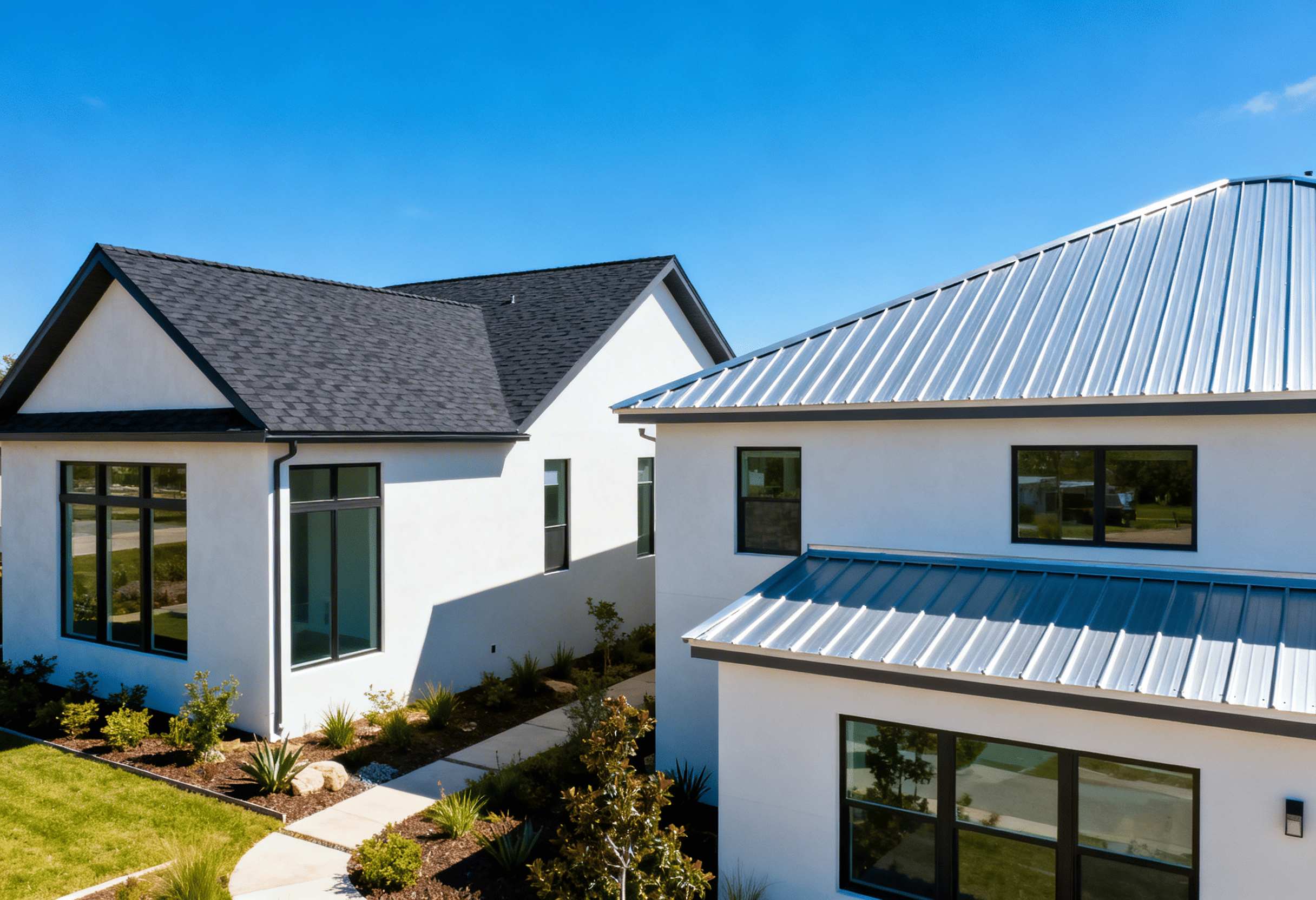
Asphalt shingles remain popular in Texas because they are approachable and predictable, especially for homeowners who want a proven, traditional look. Architectural shingles, in particular, offer a thicker profile and a more dimensional style than basic three-tab shingles, which helps them look better on many home designs. Many installers can source and install shingles quickly, so timelines are often shorter when storms hit an area and roofs need attention fast. That convenience matters, because after a big weather event, speed and availability can feel almost as important as the material itself.
Shingles do have some built-in limitations in Texas, and most of them tie back to the same problem: constant exposure to extremes. Prolonged heat can accelerate the aging of asphalt, drying it out over time and making it more brittle, which increases the chance of cracking, granule loss, and faster wear. Hail can bruise shingles in ways that are not always obvious from the ground, which sometimes leads to leaks later even when the roof looks fine right after the storm. Strong winds can lift or tear shingles if the edges loosen, and once wind gets under one area, it can start a chain reaction across a slope.
In most Texas markets, an asphalt shingle roof often lasts around 15 to 25 years, although a well-installed, well-ventilated system in milder pockets can sometimes go longer. The key point is that the label on the shingle box and the reality on a Texas roof are not always the same, because sun exposure, attic heat, and storm frequency can shorten the timeline. Proper ventilation and insulation can reduce the oven-like conditions that speed up aging, and quality underlayment helps when wind-driven rain tries to find weak points. If you choose shingles, the best path to longer life usually comes from choosing a stronger architectural product, focusing on correct installation, and treating attic ventilation as part of the roofing system instead of an afterthought.
Metal Roofing in Texas
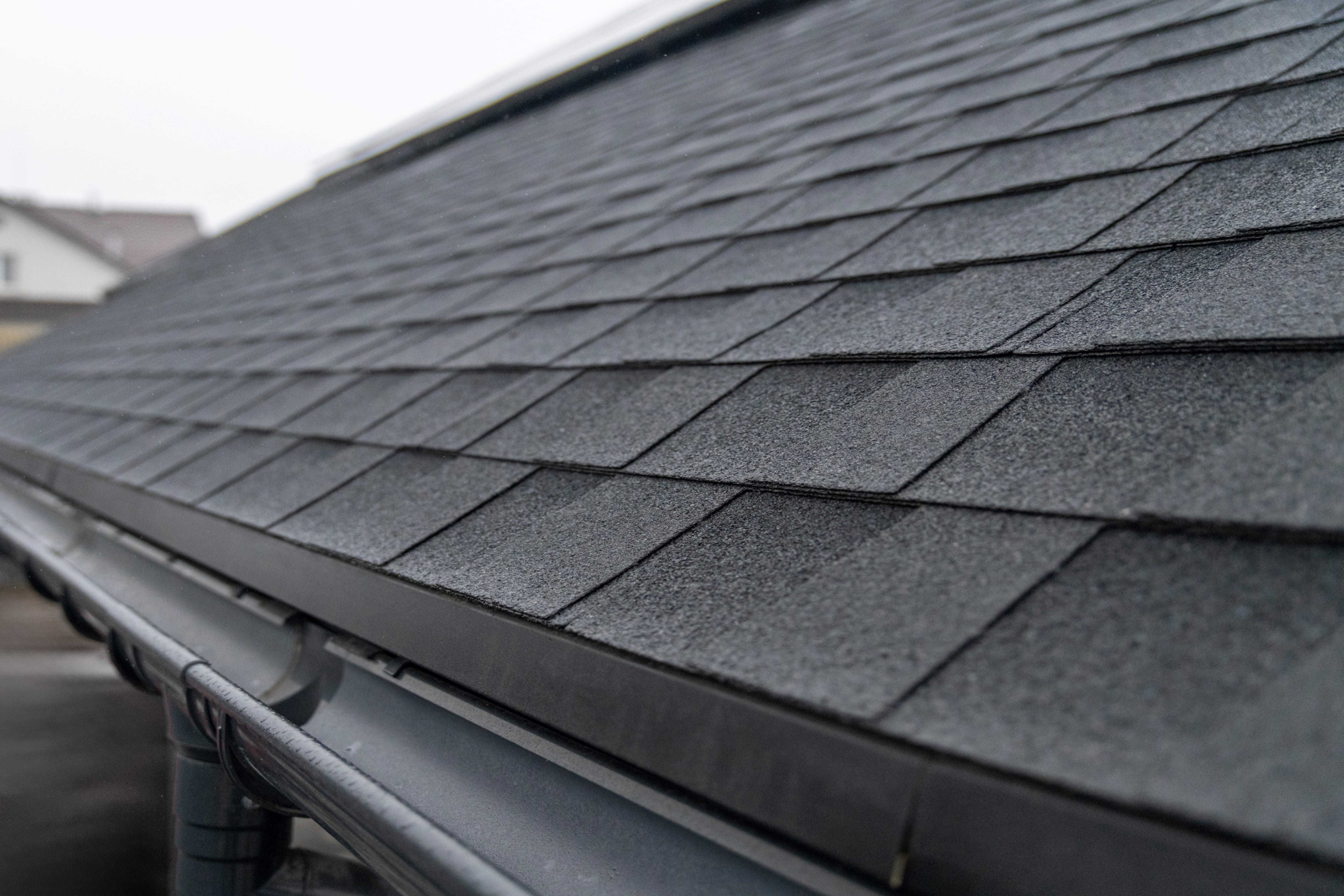
Metal roofing has a different reputation in Texas, mostly because it is built to play the long game. A properly installed metal roof is designed to handle intense sun, heavy rain, and high winds without relying on a layer of exposed asphalt that gradually dries out over time. Metal also sheds water efficiently, which matters when thunderstorms dump a lot of rain in a short window and gutters are working overtime. Many homeowners like that metal is available in several styles, including standing seam panels and metal shingles, so the upgrade does not have to mean changing the whole look of the house.
The biggest reason metal tends to last longer in Texas is that it responds to heat differently than asphalt. Metal can reflect a significant portion of solar radiation depending on the coating and color, and it does not degrade in the same way asphalt does when it sits under relentless UV exposure. That does not mean metal is invincible, since severe hail can dent some profiles, and poor installation can still create leak points around flashing, penetrations, and transitions. The difference is that metal’s core performance usually depends more on craftsmanship and detailing than on a material layer that naturally breaks down over time.
Metal roofing does come with tradeoffs, and it is better to be clear about them up front than to learn them mid-project. The first consideration is cost, because metal is typically a higher investment at installation, especially with standing seam systems and upgraded underlayments. Noise is another concern people bring up, although proper decking, underlayment choices, and attic insulation usually make it much quieter than the stereotypes suggest. The final factor is choosing the right contractor, since metal is less forgiving of sloppy flashing or shortcuts, and the skill level of the crew matters more than most homeowners expect.
In Texas conditions, metal roofs commonly last 40 to 70 years, with many systems landing somewhere in the middle depending on panel type, coating quality, and installation quality. Standing seam systems, in particular, are known for longevity because of their concealed fasteners and strong water-shedding design, which reduces the number of exposed points that can loosen over time. Fastener-exposed metal roofs can still perform well, but they rely more heavily on maintaining washers and fasteners as the roof ages, especially under repeated heat expansion and contraction. If your priority is lifespan above almost everything else, metal is usually the stronger answer, as long as it is installed with the right details for Texas wind, rain, and heat.
Side-by-Side Comparison
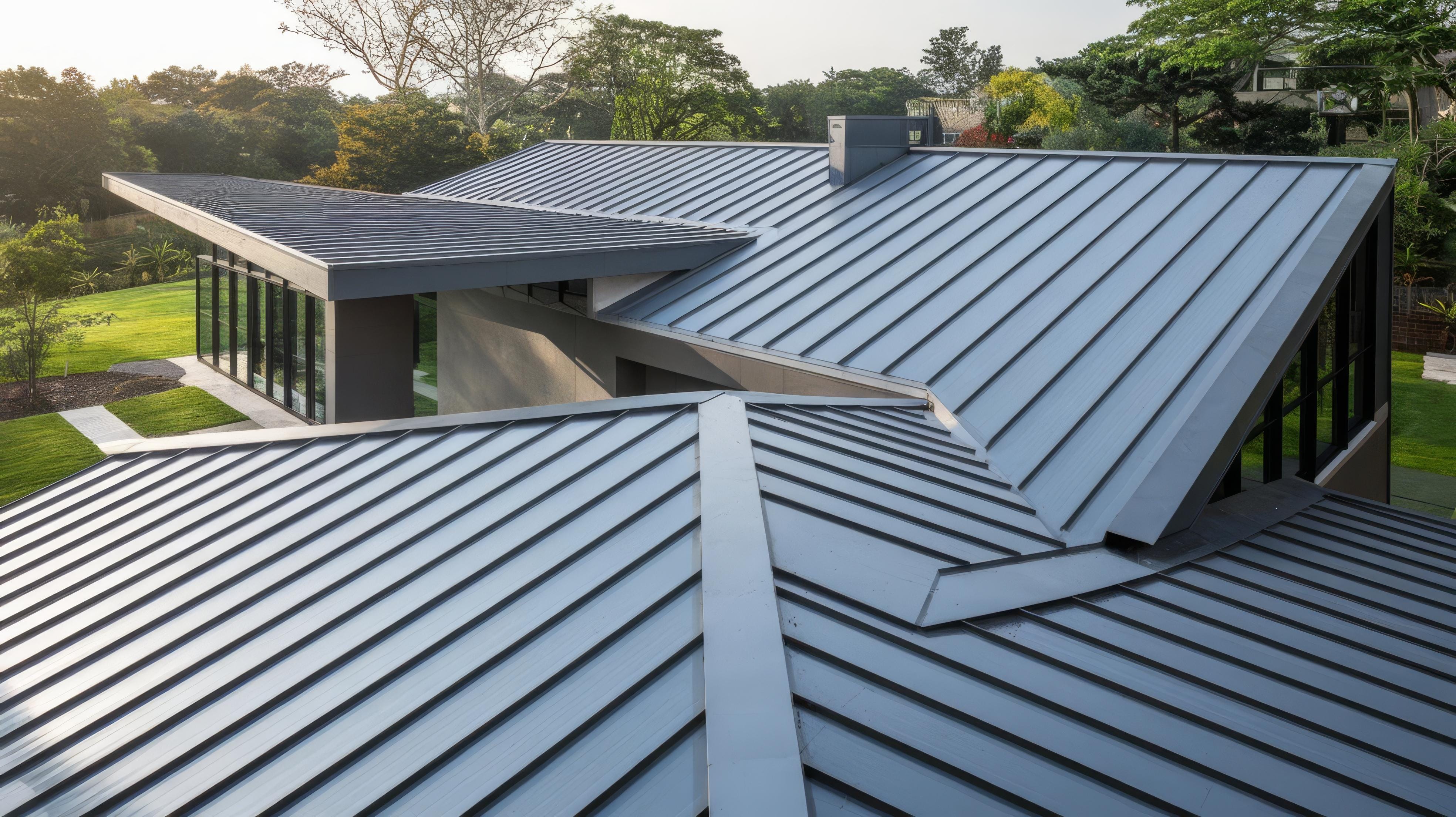
Durability in Texas comes down to how each roof handles the three biggest stressors most homeowners see: sun, wind, and hail. Asphalt shingles can perform well, but they gradually lose protective granules, and the asphalt base can become brittle under long-term heat, which makes them more vulnerable to cracking and blow-offs as they age. Metal resists UV-driven breakdown, and it generally handles wind well when the system is designed and installed correctly, especially with standing seam panels that lock together and shed water cleanly. Hail is the wildcard, since large hail can damage almost any roof, but metal often stays watertight even when dents appear, while shingles can suffer bruising that later turns into leaks.
Cost is usually the factor that makes homeowners pause, because asphalt shingles often win on upfront price and metal often wins on lifetime value. Shingles are typically less expensive to install, and repairs can be straightforward in many cases, which makes them attractive when the roof budget is tight or when you plan to move within a shorter window. Metal often costs more at installation, yet the longer lifespan can reduce how many times you replace a roof over the life of the home, which is where the math starts to shift. The “right” cost decision depends on your timeline, because metal tends to reward homeowners who plan to stay put and want fewer major roofing projects in the future.
Maintenance is another area where the longevity question gets practical, because a roof that lasts longer usually does so because it stays intact with fewer weak points. Shingle roofs often need periodic attention to sealant, flashing transitions, and the occasional damaged area after storms, and older shingles can become harder to match when repairs are needed. Metal roofs still require inspections, especially around penetrations and flashing, yet they typically avoid the widespread aging pattern shingles experience because the panels do not shed granules or dry out. In many cases, maintaining a metal roof feels more like protecting a long-term asset, while maintaining an aging shingle roof can feel like managing a timeline toward the next replacement.
Which Is Best for Texas?
If the only question is “which lasts longer,” metal roofing is the clear winner in most Texas situations, because it is built for long-term performance under harsh sun and frequent weather swings. That does not automatically mean metal is the best choice for every homeowner, since budgets, home style, neighborhood expectations, and planned ownership timeline all matter. Asphalt shingles can still be a smart pick when you want a lower upfront investment, when you need a faster installation window, or when you are balancing multiple home projects at once. The key is matching the roof choice to your priorities, because a roof that is “best” on paper can feel wrong if it strains your budget or does not fit your plans.
Texas also has micro-climates that can influence the decision more than people expect, especially when storm patterns differ by region. In hail-prone areas, material choice matters, but so does choosing an impact-rated system and making sure flashing and underlayment details are done correctly, since the roof is a system, not just a surface. In coastal or humid areas, corrosion resistance and proper ventilation become more important, which means coatings, fasteners, and installation standards should be chosen with the environment in mind. In high-heat areas, metal’s ability to resist UV breakdown and reduce heat absorption can be a meaningful advantage, especially for homeowners who want the roof to stay stable for decades.
For many Texas homeowners who plan to stay in their home and want the longest replacement cycle, metal roofing tends to offer the strongest long-term payoff. That longer lifespan can mean fewer tear-offs, fewer disruptions, and a higher chance that the next roof you install is the last one you have to think about for a very long time. Asphalt shingles still have a place, especially when installed with strong ventilation design and high-quality materials, but they usually come with a shorter timeline in true Texas heat. If longevity is your top priority, metal roofing is often the choice that aligns best with the way Texas weather actually behaves.
Explore Roofing Options with APEX Roofing
Choosing between metal roofing and asphalt shingles gets easier when you can look at your specific home, your local storm history, and the real condition of your current roof, because what works best is not always the same from one neighborhood to the next. A roof with poor ventilation might be aging faster than it should, and correcting that issue can change the outlook for whichever material you choose next. The best next step is a professional evaluation by APEX Roofing that focuses on lifespan, performance, and long-term value rather than quick fixes. Contact us today for a clear plan that helps you avoid paying twice later.