Is Metal Roofing Worth the Investment for Your Home?
Is Metal Roofing Worth the Investment for Your Home?
Choosing a new roof is a major decision for any homeowner, especially when the price of one material looks much higher than another at first glance. Many people compare metal roofing to standard asphalt shingles and immediately wonder whether the extra upfront cost is truly justified over the long run. That question matters even more in places where heat, storms, wind, and heavy rain can wear down a roof faster than expected. A smart answer depends on lifespan, durability, maintenance, energy use, curb appeal, and how long you plan to stay in the home.
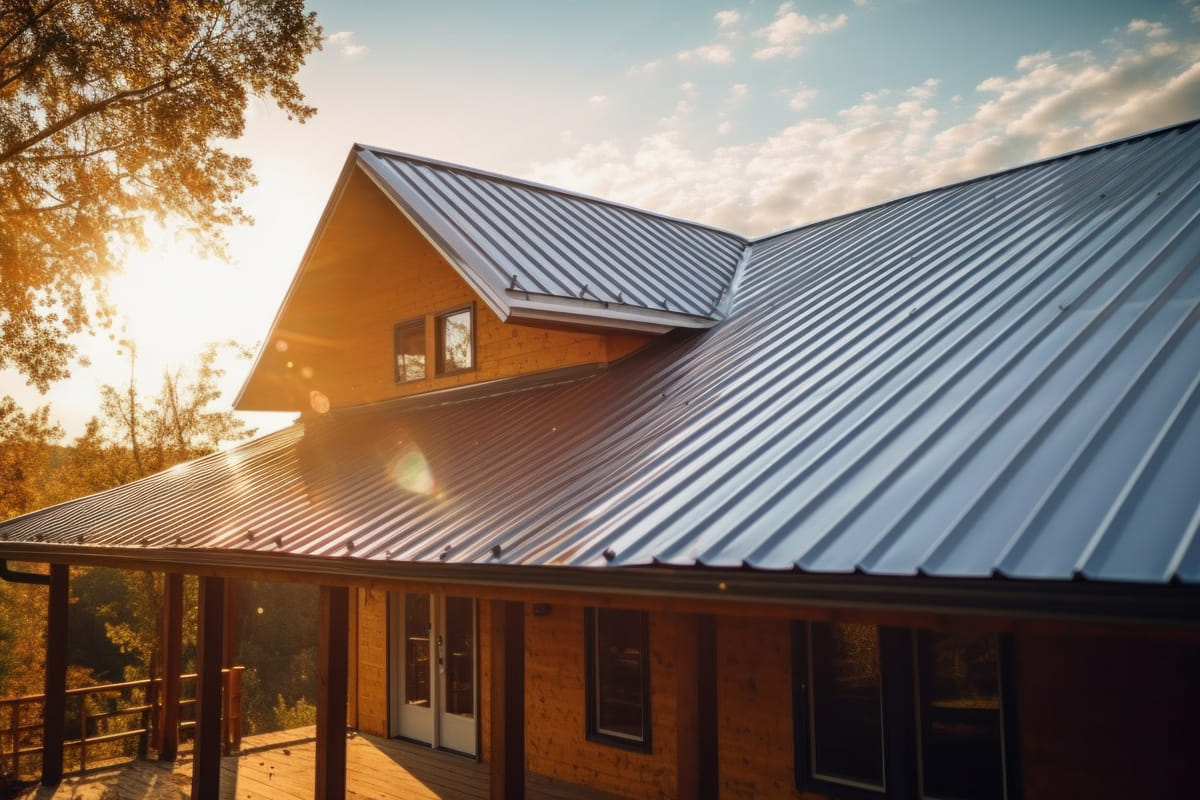
Metal roofing has grown in popularity for good reason, and it is no longer seen as a product used only for barns, commercial buildings, or rural homes. Modern residential metal roofing comes in many styles, colors, and finishes that can match both traditional and updated home designs. Homeowners who want a roof that lasts longer and stands up better to the weather often find themselves taking a serious look at this option. Cost still matters, though, which is why it helps to look at the full picture instead of focusing only on installation price.
Why Do Homeowners Consider Metal Roofing?
Most homeowners begin looking at metal roofing when they get tired of replacing worn-out shingles or dealing with ongoing repairs after rough weather. A roof that looks affordable at installation can become expensive over time if it needs frequent patching, repeated storm work, or full replacement sooner than expected. Metal roofing stands out because it is known for strength, long service life, and dependable performance in a wide range of conditions. That combination makes it appealing to people who want to invest once and worry less later.
Appearance is another major reason people consider metal roofing for their homes. Older ideas about metal roofs being loud, plain, or industrial no longer match what is available today. Residential systems can be designed to look sleek and modern, or they can resemble more classic roofing styles while still giving homeowners the benefits of metal. A roof is one of the first things people notice about a house, which means the material you choose can affect both pride of ownership and resale appeal.
What Makes Metal Roofing Different From Other Roofing Materials?
Metal roofing differs from many common residential materials in both construction and performance. Asphalt shingles are widely used and often cost less upfront, but they usually do not last as long and can be more vulnerable to wind damage, curling, granule loss, and aging from constant sun exposure. Tile and slate can last a long time, though they are often heavy and may require extra structural support depending on the home. Metal offers a balance of durability, lighter weight, and strong weather resistance that many homeowners find attractive.
Another difference is how metal roofing handles the years. Many roofing materials show wear in a way that quickly affects both function and appearance, while metal roofing often maintains its protective value for much longer when installed correctly. Finishes and coatings help guard against corrosion, fading, and surface wear, which adds to the long-term value of the system. Installation quality remains critical, of course, since even an excellent material can underperform when shortcuts are taken during the roofing process.
The Upfront Cost Is Higher, but Is That the Whole Story?
Metal roofing usually costs more at the beginning than an asphalt shingle roof, and that fact alone stops many homeowners from learning more. A larger initial bill can feel hard to justify, especially when there are other home expenses competing for your budget. Looking only at purchase price, however, does not always show the true cost of ownership. Value becomes clearer when you compare replacement cycles, maintenance needs, repair frequency, and energy savings over time.
A lower-cost roof may look like the better deal in year one, while a metal roof may prove to be the better investment by year fifteen, twenty, or even thirty. If a homeowner expects to stay in the home for a long time, the long service life of metal can make the higher upfront cost much easier to understand. Fewer replacements can mean fewer labor bills, fewer disposal costs, and less disruption to daily life. Financial value is not always about spending less today, especially when the long-term result is stronger and more stable.
How Long Does a Metal Roof Last?
One of the biggest reasons homeowners consider metal roofing is lifespan. A properly installed metal roof can often last decades longer than a standard asphalt shingle roof, which changes the way many people think about the investment. Instead of planning for another replacement in what may feel like a short time, homeowners may be choosing a roofing system that serves them for many years with less worry. That kind of long-term performance can be especially meaningful for families who want stability and fewer major home projects.
Lifespan also matters when thinking about total value rather than just price. Replacing a roof is not only expensive, it is stressful, time-consuming, and disruptive. A roof that lasts much longer can reduce the number of times a homeowner has to make that decision, schedule contractors, and pay for tear-off and installation again. For many people, avoiding repeated roofing cycles is part of what makes metal roofing worth serious consideration.
Does Metal Roofing Hold Up Better in Harsh Weather?
Weather resistance is one of the strongest selling points of metal roofing, especially in areas that deal with high winds, intense sun, hail, and strong storms. Roofing materials are tested every year by real-life weather events, not just by product brochures or sales talk. A roof that can better resist wind uplift, shed water efficiently, and stand strong during severe conditions can save homeowners money and stress. That kind of protection becomes even more important when your area sees regular storm activity.
Damage prevention is often more valuable than repair after the fact. A roof that stays in place better during wind events and remains durable through changing temperatures can help protect the structure underneath it. Water intrusion can lead to far more than roof damage, since it may affect insulation, ceilings, walls, and even electrical systems if left unchecked. Strength at the top of the home matters, and metal roofing earns much of its reputation from its ability to perform when weather becomes a real threat.
Can Metal Roofing Help Lower Energy Bills?
Energy efficiency is another reason many homeowners start to view metal roofing as an investment rather than just a purchase. Certain metal roofing systems are designed to reflect more solar heat than darker or more heat-absorbing materials, which may help reduce attic heat buildup and ease the strain on the cooling system. During hot months, that difference can support a more comfortable indoor environment. Lower cooling demand may also lead to savings over time, depending on the home, climate, insulation, and ventilation.
Energy performance should never be looked at in isolation, though it does matter. A roofing system works together with attic insulation, ventilation, roof color, and the home's general construction. Even with those factors in mind, many homeowners appreciate that metal roofing can contribute to improved efficiency when the full system is designed well. Savings may not erase the entire cost difference on their own, yet they can become an important part of the total value equation.
What About Maintenance and Repair Costs?
Maintenance is one of the hidden cost categories homeowners often forget when comparing roofing materials. A roof may look affordable on paper until small issues begin showing up every few years and repair bills start adding up. Metal roofing is often valued for requiring less routine maintenance than other materials when installed by an experienced contractor. That does not mean it should be ignored, though it can mean fewer recurring problems and lower long-term upkeep demands.
Repairs can also be less frequent when the roof is built to resist common causes of wear. Shingles that crack, loosen, curl, or blow off in high winds create repeated service calls that homeowners would rather avoid. A durable metal system reduces the chance of some of those familiar issues, which can bring both practical and financial relief. Peace of mind has value too, especially for homeowners who do not want every strong storm to become a reason for concern.
Does Metal Roofing Increase Home Value?
Home value is influenced by many factors, though the roof is certainly one of them. Buyers notice when a home has a newer, higher-quality roof, and they also notice when that roof is expected to last for a long time. Metal roofing can add to curb appeal while also giving future buyers confidence that they may not face a replacement project anytime soon. That combination can make a home more attractive in a competitive market.
Return on investment is not always measured in a perfect dollar-for-dollar way. Sometimes value appears in the form of stronger buyer interest, faster sale potential, or better overall property presentation. A home that looks protected, updated, and well maintained tends to make a better first impression. When homeowners think about resale, metal roofing often becomes more appealing as a feature that supports both function and appearance.
Is Metal Roofing Noisy When It Rains?
Many people still hesitate over metal roofing because they imagine loud rain hitting a bare metal surface. That concern comes from old assumptions or from examples like sheds, barns, and uncovered structures rather than properly built residential roofing systems. In a modern home, metal roofing is installed over solid decking and underlayment, which helps control sound much more effectively than people expect. The result is usually far less dramatic than the stereotype suggests.
Noise should still be discussed honestly, since every roofing system and home design is different. Even then, most homeowners are surprised to learn that a properly installed metal roof is not the constant loud disturbance they feared. Good materials and correct installation make a major difference in both comfort and performance. A professional roofer can explain what to expect and how the system is built to minimize concerns like sound transmission.
Will a Metal Roof Fit the Style of Your Home?
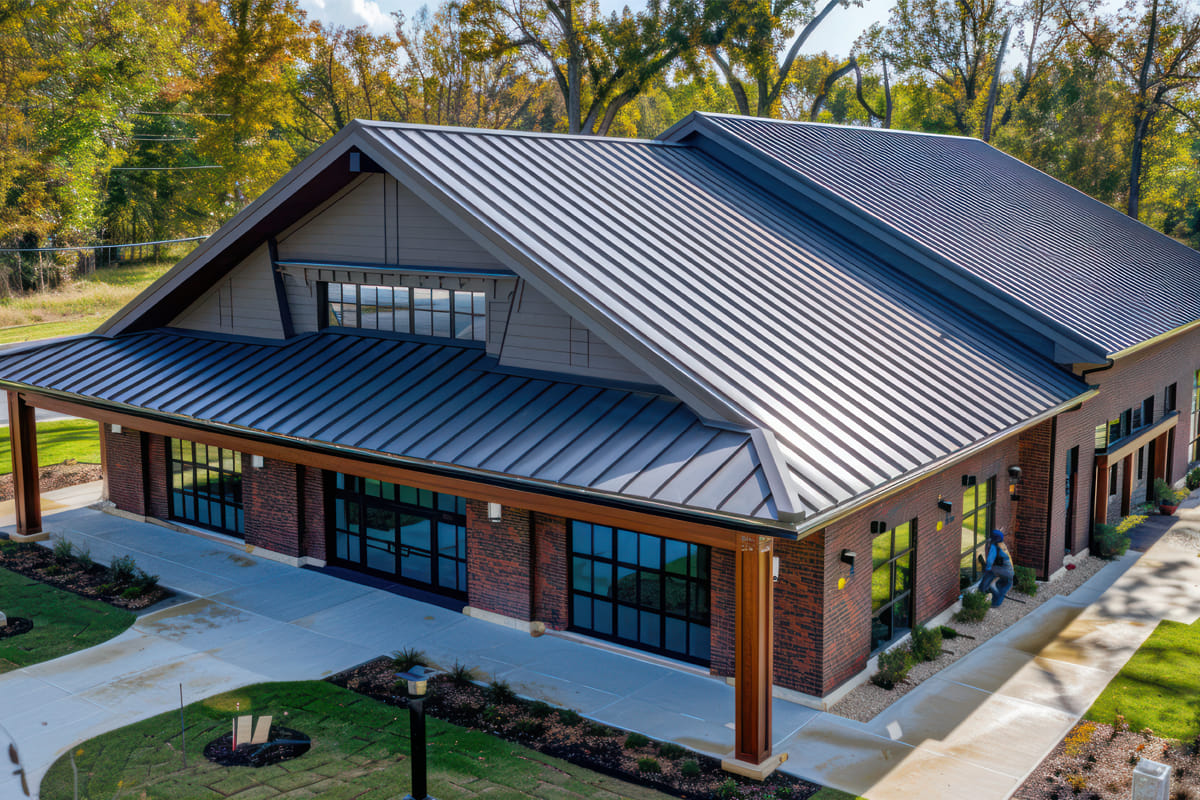
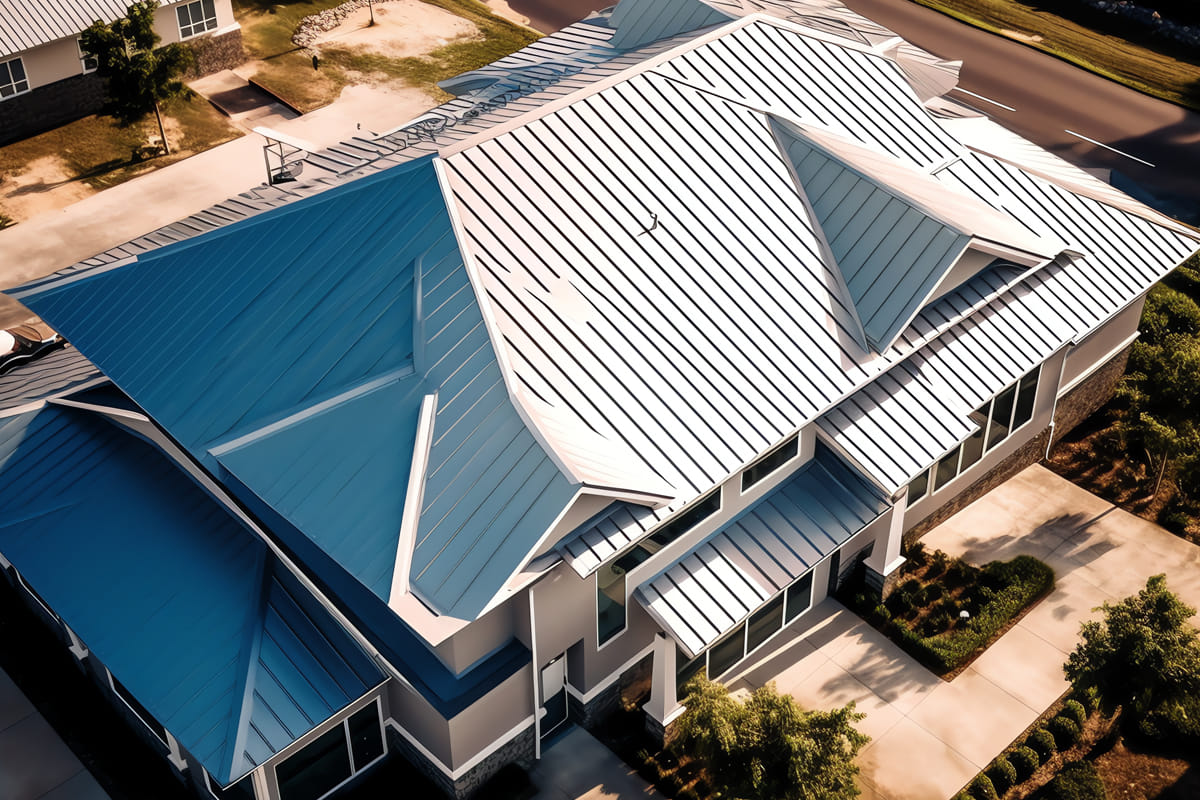
Style matters, and homeowners should not feel forced to sacrifice appearance for durability. Metal roofing now comes in a wide range of panel profiles, finishes, and colors that can complement many types of homes, from farmhouse styles to contemporary builds and more traditional neighborhoods. Some products offer a bold modern look, while others create a softer appearance that blends naturally with classic residential architecture. That design flexibility helps homeowners get the protection they want without feeling boxed into one visual option.
Curb appeal affects more than personal taste, since it also shapes how a home is viewed by neighbors, visitors, and future buyers. A well-chosen metal roof can make the home look polished, clean, and updated. Color coordination with siding, brick, trim, and landscaping can create a strong overall exterior appearance. A roof covers a large part of the home, which means its style has a real impact on the way the property feels as a whole.
Are There Any Drawbacks to Metal Roofing?
A fair answer should include the fact that metal roofing is not the perfect choice for every situation. The upfront price is higher, which can be a serious concern for homeowners working within a tighter budget. Installation also requires skill and experience, since mistakes in flashing, fastening, or panel layout can affect the roof's long-term performance. Choosing the wrong contractor can weaken the value of even a high-quality product.
Some homeowners may also find that they do not plan to stay in the home long enough to enjoy the full long-term value of the roof. Others may live in a market where buyers are less responsive to premium roofing features. Those factors do not make metal roofing a bad option, though they do show why the right answer depends on your goals, finances, and property needs. A good contractor will help you weigh both the benefits and the tradeoffs rather than pushing a one-size-fits-all answer.
When Is Metal Roofing Worth the Investment?
Metal roofing is often worth the investment when a homeowner plans to stay in the home for many years, wants stronger weather protection, values low maintenance, and prefers a roof with a long service life. It also makes sense for people who are tired of repeated shingle repairs or who want a more energy-conscious roofing option. In storm-prone areas, added durability can become an even bigger part of the value discussion. Long-term thinking usually makes metal roofing easier to justify.
The investment case becomes even stronger when installation is handled correctly and the product is matched well to the home. Material quality, attic ventilation, underlayment, flashing details, and workmanship all shape the final outcome. A strong roofing system is never only about the panels or the shingles, since the full build matters from top to bottom. When the entire job is done right, metal roofing can deliver the kind of performance that makes the higher cost feel worthwhile.
How Do You Decide What Is Best for Your Home?
The best roofing choice depends on your budget, your home's condition, your long-term plans, and the weather your roof has to handle year after year. Some homeowners need the most affordable solution right now, while others want the option that offers the strongest long-term return. Neither goal is unreasonable, though the right answer becomes clearer when you compare more than just the estimated total. Lifespan, storm resistance, maintenance, appearance, and energy performance all deserve a place in the decision.
A professional roof inspection can help you understand what your home actually needs instead of relying on guesswork. Roofing decisions are easier when you know the current condition of the roof deck, ventilation system, flashing areas, and overall wear pattern. Clear information leads to better choices, especially when the goal is to protect the home and spend wisely. Homeowners deserve honest guidance from a company that understands both the product and the conditions their roof must face.
A Roof That Pays You Back Over Time
Metal roofing is not the cheapest roofing option upfront, though price alone does not decide true value. For many homeowners, the longer lifespan, reduced maintenance, better weather resistance, possible energy savings, and stronger curb appeal make metal roofing a smart investment over time. A roof is one of the most important protective systems on any home, which means cutting corners can become costly later. Paying more for the right roof can be a practical decision, not just a premium one.
If you are trying to decide whether metal roofing is worth the investment for your home, talk with a team that can give you honest answers and quality workmanship from the start. APEX Roofing can help you compare your options, understand the long-term value, and choose a roofing solution that fits your home and your goals. For the best roofing experience around, choose APEX Roofing and take the next step toward a roof built to last.