How Texas Heat Impacts Your Roof and How to Protect It
How Texas Heat Impacts Your Roof and How to Protect It
Texas heat does not simply make your home uncomfortable during the summer. It also puts your roof through months of intense sunlight, high surface temperatures, sudden weather shifts, and repeated expansion and contraction. Even a well-built roofing system can start to show signs of stress when it spends day after day absorbing heat above the attic. That is why understanding how heat affects your roof can help you protect your home before small issues become expensive repairs.
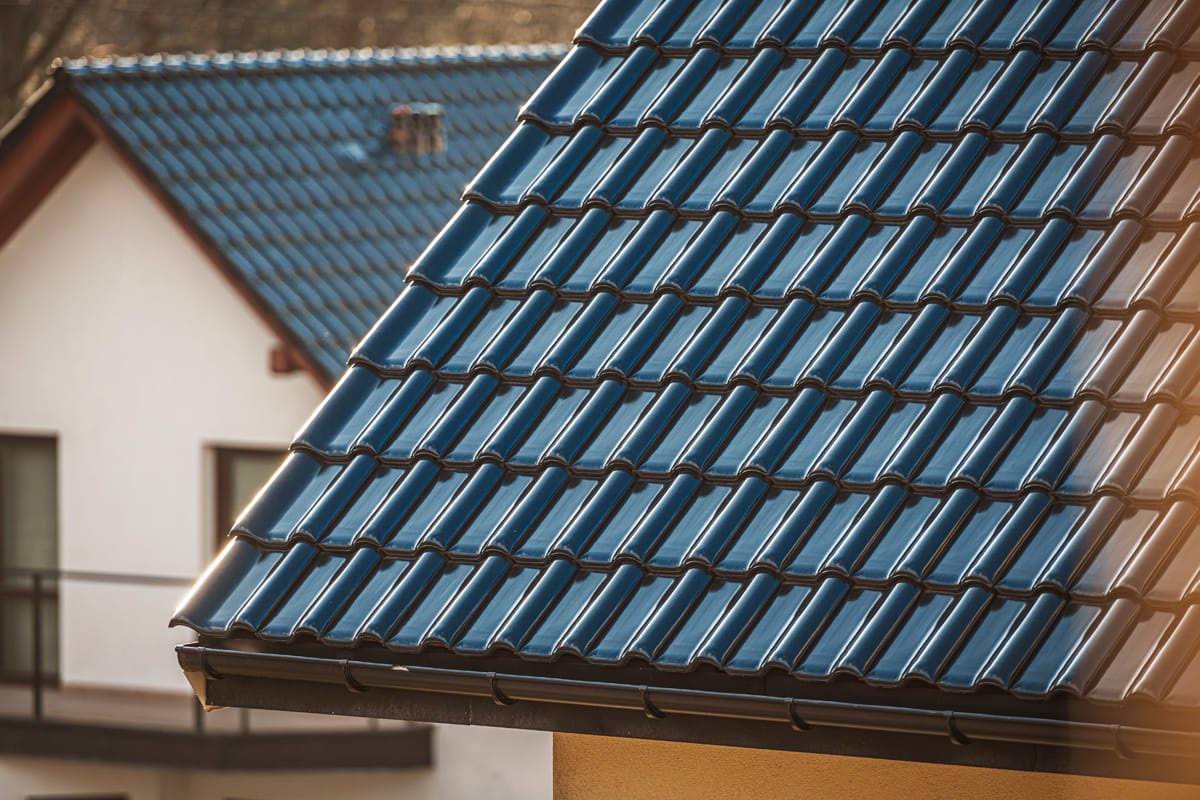
Your roof is designed to take a beating, but it still needs attention in a climate as demanding as Texas. Shingles, flashing, sealants, decking, ventilation, and gutters all play a role in how well your home handles summer conditions. When one part weakens, the rest of the system has to work harder, which can shorten the life of the roof. APEX Roofing helps homeowners understand these risks, spot warning signs early, and make smart choices that support long-term roof performance.
How Does Texas Heat Damage Roofing Materials?
Texas roofs can reach temperatures far above the actual outdoor air temperature, especially when the sun is beating down on dark shingles for hours. That constant heat can dry out asphalt shingles, causing them to lose flexibility and become more brittle over time. Once shingles become brittle, they are more likely to crack, curl, blister, or shed granules. Those changes may seem small at first, but they reduce the roof’s ability to block water, resist wind, and protect the layers underneath.
Heat also affects the adhesives and sealants that help hold your roofing system together. Shingles have seal strips that help them stay in place, and roof penetrations often rely on caulking or rubber boots to keep water out. When these materials repeatedly heat up and cool down, they can harden, shrink, split, or pull away from the surfaces they are supposed to protect. That is one reason a roof can look fine from the ground while still developing weak points around vents, chimneys, skylights, and flashing.
Thermal Expansion Puts Stress on the Whole Roof
Roofing materials expand when they get hot and contract when they cool down, which means a Texas roof is constantly moving in small ways. During the day, shingles, metal flashing, fasteners, and underlayment can all respond to heat at different rates. At night, when temperatures drop, those same materials begin to tighten again. Over thousands of cycles, that movement can loosen nails, strain seams, and create small gaps where moisture may eventually enter.
This type of stress can be especially noticeable during long stretches of summer heat, followed by sudden storms or cooler evenings. A roof does not have to be old to experience thermal movement, but older roofs are usually more vulnerable because their materials have already lost some flexibility. If a roof was installed poorly, has inadequate ventilation, or has previous storm damage, heat-related expansion can make existing problems worse. Regular roof inspections are important because many of these issues develop slowly before they become visible inside the home.
Why Granule Loss Matters in Hot Weather
Granules are the rough, sand-like particles on the surface of asphalt shingles, and they do more than give shingles their color. They help shield the asphalt layer from ultraviolet exposure, which is a major source of roof aging in hot, sunny climates. When shingles lose too many granules, the underlying asphalt becomes more exposed to sunlight, heat, and weather. This can speed up drying, cracking, and general deterioration.
Some granule loss is normal as a roof ages, especially after storms, foot traffic, or years of summer exposure. The problem begins when granules collect heavily in gutters, wash out near downspouts, or leave shingles looking bare, shiny, or uneven. Once the protective surface is compromised, the roof may absorb more heat and become less effective at shedding water. A professional inspection can help determine whether granule loss is normal aging or a sign that your roof needs repair or replacement planning.
Poor Attic Ventilation Makes Heat Problems Worse
Your roof is only part of the heat story because your attic plays a major role in how your home manages high temperatures. When attic ventilation is poor, hot air gets trapped beneath the roof deck, which can bake the roofing materials from below while the sun heats them from above. This double-sided heat exposure can accelerate shingle aging and make your air conditioner work harder. A roof that should last for many years may wear out faster when the attic cannot breathe properly.
Good ventilation helps hot air escape while allowing cooler outside air to enter through the right intake points. This airflow reduces heat buildup, helps control moisture, and supports more stable temperatures beneath the roof. Ventilation problems can come from blocked soffit vents, too few vents, improper vent placement, or insulation that interrupts airflow. If your upstairs rooms feel unusually hot, your energy bills keep climbing, or your roof seems to age faster than expected, attic ventilation may be part of the problem.
Can Texas Heat Cause Roof Leaks?
Heat itself does not usually create a major leak overnight, but it can weaken the parts of the roof that keep water out. Cracked shingles, lifted edges, dried sealant, warped flashing, and damaged vent boots all create opportunities for rainwater to find its way inside. Texas weather often makes this worse because extreme heat may be followed by strong storms, heavy rain, high winds, or hail. A roof that has been stressed all summer can be less prepared when severe weather arrives.
Leaks can also begin as tiny moisture problems that do not immediately show up as ceiling stains. Water may enter around a vulnerable area, soak into decking, or drip into insulation before you ever notice a mark indoors. By the time a visible stain appears, the damage may have already spread. Scheduling a roof inspection before and after the hottest part of the year can help catch weak points before they turn into larger repairs.
Heat Can Shorten the Life of an Older Roof
Every roof has an expected service life, but climate plays a large role in how long that roof actually performs well. In a hot Texas environment, roofing materials may age faster than they would in a milder climate because they face stronger sunlight, longer cooling seasons, and more thermal stress. Older shingles may lose oils, stiffen, and become easier to damage. Once that aging process reaches a certain point, repairs may become more frequent and less cost-effective.
This does not mean every older roof needs to be replaced immediately. It does mean homeowners should pay close attention to changes in shingle texture, color, shape, and overall condition. If your roof is more than ten to fifteen years old, heat-related wear may already be affecting its performance, especially if it has also been through hail, wind, or poor ventilation. APEX Roofing can evaluate the condition of your roof and help you decide whether repair, maintenance, or replacement makes the most sense.
Signs Your Roof May Be Struggling in the Heat
Some heat damage can be seen from the ground, although you should avoid climbing onto your roof without proper training and safety equipment. Curled shingles, cracked shingles, missing granules, sagging areas, exposed nail heads, and worn flashing can all point to roof stress. You may also notice that certain areas of the roof look faded, uneven, or more worn than others. These visual changes often appear first on roof slopes that receive the most direct sun.
Indoor signs can also tell you something about your roof’s condition. Hot rooms, musty attic smells, unexplained ceiling stains, peeling paint near the ceiling, or rising cooling costs may signal roofing or attic ventilation concerns. None of these signs automatically means you need a full roof replacement, but they do deserve attention. The sooner you have a qualified roofer look at the issue, the easier it usually is to prevent further damage.
Roof Inspections Are One of the Best Forms of Protection
A roof inspection gives you a clearer picture of how your roofing system is handling Texas heat. During an inspection, a roofing professional can look for cracked shingles, sealant failure, flashing issues, ventilation concerns, soft decking, storm damage, and other signs of wear. This matters because small defects are often easier and more affordable to fix when they are found early. Waiting until water enters your home can turn a manageable repair into a larger restoration problem.
A good inspection is especially useful before the peak of summer or after a season of intense heat and storms. Texas roofs deal with multiple threats in a short period, and heat can make damage from wind or hail more serious. If you have not had your roof checked in a while, an inspection can help you make confident decisions instead of guessing from the driveway. APEX Roofing can provide a professional assessment and explain what your roof needs without making the process confusing.
How Can You Protect Your Roof from Texas Heat?
The first step is keeping your roof clean, visible, and free of avoidable stress. Leaves, branches, and debris can trap moisture, block drainage paths, and hide damaged shingles. Overhanging tree limbs can scrape the roof during windy weather, drop debris, and create shaded damp spots that age differently from the rest of the roof. Keeping gutters clear also helps water move away from the roofline instead of backing up under edges or fascia.
The second step is addressing minor damage before it spreads. A cracked shingle, loose flashing section, or worn vent boot may not seem urgent during a dry week, but Texas weather can change quickly. Once heavy rain arrives, those weak points can become entry paths for water. Prompt repairs help preserve the roof’s protective layers and reduce the chance of hidden moisture damage.
Reflective and Durable Materials Can Help
Material choice matters when you are replacing a roof or planning a major roofing project in Texas. Some roofing products are designed to reflect more sunlight, absorb less heat, or hold up better under harsh conditions. Lighter shingle colors, reflective roofing options, and durable materials can sometimes help reduce heat absorption, depending on the home, roof design, and product selection. The right choice should balance appearance, budget, energy performance, durability, and neighborhood requirements.
Durability is just as important as reflectivity because a cooler roof still needs to resist storms, wind, and long-term wear. Texas homeowners should think about heat, hail, ventilation, and installation quality together rather than focusing on one feature alone. Even high-quality materials can perform poorly if they are installed incorrectly or paired with weak attic ventilation. Working with an experienced roofing contractor helps ensure the entire system is designed to protect your home, not just look good on installation day.
Do Repairs or Replacements Make More Sense?
The right answer depends on your roof’s age, damage level, material condition, and long-term value. If the heat has only damaged a small area, targeted repairs may be enough to restore protection and extend the roof’s life. If the shingles are brittle across large sections, granule loss is widespread, or previous repairs are no longer holding, replacement may be the more practical choice. A roof that needs repeated repairs can become more expensive over time than investing in a stronger, properly installed system.
A professional roofer can help you compare your options honestly. The goal should not be to replace a roof too early or keep repairing one that is already failing. The goal should be to protect your home, reduce surprise costs, and choose the solution that fits the roof’s real condition. APEX Roofing can inspect your roof, explain what the heat has affected, and help you decide the next step with clear information.
Protect Your Home Before the Heat Does More Damage
Texas heat is not something homeowners can avoid, but roof damage from heat can often be managed with smart maintenance, timely repairs, proper ventilation, and quality materials. When you know what to watch for, you can catch early warning signs before they turn into leaks, interior damage, or emergency roofing problems. Your roof works hard through every hot afternoon, sudden storm, and long summer season. Giving it regular attention is one of the best ways to protect the rest of your home.
APEX Roofing is here to help you keep your roof ready for the Texas climate. Whether you are concerned about heat damage, aging shingles, attic ventilation, storm wear, or a roof that simply has not been inspected in years, a professional evaluation can give you peace of mind. The best time to deal with roof stress is before the next round of extreme heat or heavy rain exposes the weak spots. Schedule a roof inspection with APEX Roofing and make sure your home is protected from the top down.