How Long Do Metal Roofs Last?
How Long Do Metal Roofs Last?
When homeowners start comparing roofing materials, longevity is often one of the first things they want to understand. Asphalt shingles can provide dependable protection for many years, but metal roofing is often chosen specifically because of its potential for a much longer service life. That naturally raises an important question: How long do metal roofs last?
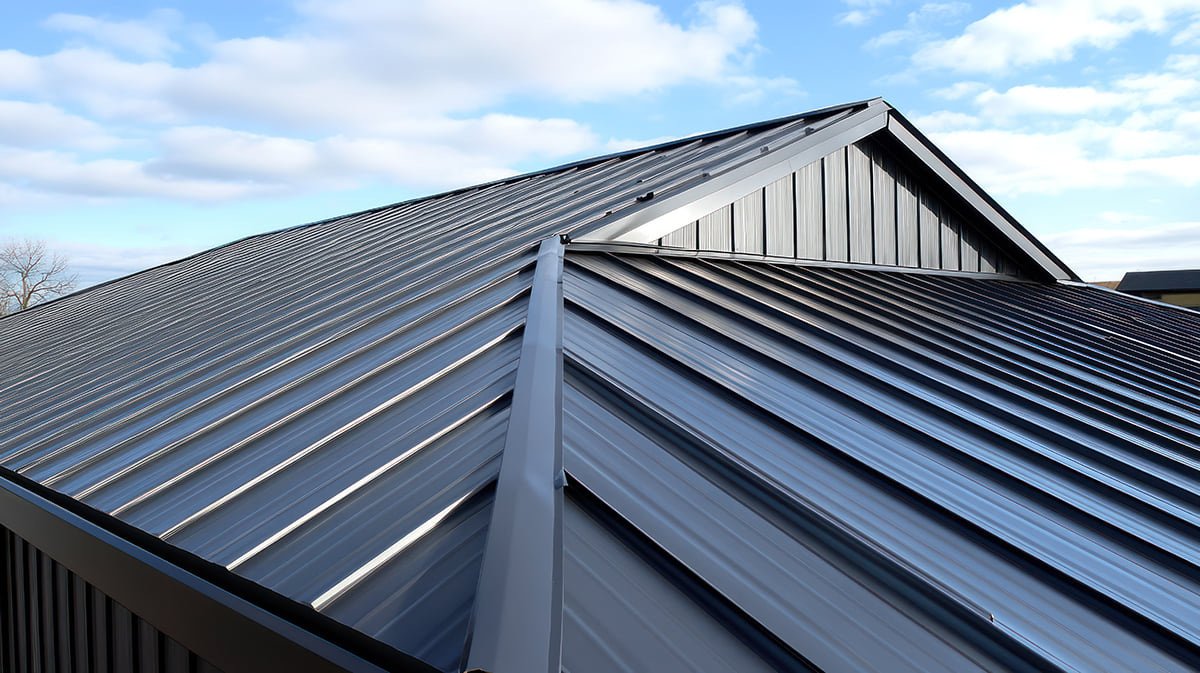
A properly installed and maintained metal roof can commonly last 40 to 70 years, and some systems may remain functional even longer under favorable conditions. The actual lifespan depends on the type of metal roofing, installation quality, protective coatings, fasteners, maintenance, and the weather the roof experiences over several decades. For homeowners in Texas, where intense sunlight, high temperatures, hail, wind, and severe storms can all put roofing materials to the test, those variables deserve particular attention.
Metal Roofs Are Built for Long-Term Performance
Metal roofing has a reputation for durability because the primary roofing material does not deteriorate in the same way many other roof coverings do. Metal panels are resistant to problems such as cracking and splitting, and properly protected metal can withstand decades of exposure to sunlight and changing weather conditions.
A lifespan of 40 to 70 years is a useful general range, but it should not be treated as an expiration date stamped onto every metal roof. A well-designed standing-seam system installed correctly and maintained over time may perform differently from an exposed-fastener metal roof experiencing the same climate. The material, roof design, installation method, and environment all work together to determine how long the system ultimately lasts.
Does the Type of Metal Make a Difference?
Not every metal roof is made from the same material. Steel is widely used for residential metal roofing, while aluminum, copper, zinc, and other metals can also be used depending on the home, budget, architectural style, and desired performance characteristics.
Different metals respond differently to moisture, corrosion, temperature changes, and environmental exposure. Steel roofing, for example, is normally protected with metallic coatings and painted finishes that help prevent corrosion, while aluminum naturally offers strong resistance to rust. Copper and zinc can develop protective surface patinas as they age and are known for particularly long potential lifespans, although they are typically more expensive than common steel systems.
The specific roofing system matters just as much as the raw metal itself. Homeowners considering a metal roof should look beyond a general label such as "metal roofing" and understand what material, panel design, coating system, and fastening method are actually being proposed.
Installation Quality Can Determine How Long a Metal Roof Lasts
Even an excellent roofing material can perform poorly when it is installed incorrectly. Metal roofs must be laid out and fastened in a way that allows the system to manage water while also accommodating the natural expansion and contraction that occurs as temperatures change.
Details around valleys, ridges, eaves, walls, chimneys, vents, and other roof penetrations are especially important. Improper flashing or poorly sealed transitions can create places where water enters the roofing system, even when the metal panels themselves remain in excellent condition.
Installation is therefore one of the most significant variables affecting metal roof lifespan. Homeowners may understandably focus on panel thickness, color, or manufacturer warranties, but the way those materials are installed can be just as important as the materials selected.
Texas Heat Creates an Important Test for Metal Roofing
Texas roofs can spend much of the year exposed to powerful sunlight and high temperatures. During summer, roofing surfaces can become considerably hotter than the surrounding air, and daily heating followed by nighttime cooling causes roofing materials to expand and contract repeatedly.
Metal is designed to accommodate thermal movement when the roofing system is installed correctly. Standing-seam systems are particularly well suited to this movement because their concealed fastening systems allow panels to expand and contract without placing the same kind of stress on exposed screws.
Heat can also affect coatings, sealants, flashing, and other components over time. Although the metal itself may remain structurally sound for decades, these surrounding components still need to be inspected periodically so that small problems can be addressed before they develop into leaks.
Protective Coatings Help Metal Roofs Age Gracefully
Many modern metal roofs rely on protective coatings that shield the underlying steel from corrosion while also providing the roof's finished color. These coatings are designed to tolerate years of sun, rain, temperature changes, and other environmental conditions, but their performance can vary depending on the coating system and quality of the product.
Over time, homeowners may notice fading, chalking, scratching, or other changes to the roof's surface. Cosmetic changes do not automatically mean the roof has reached the end of its service life, although significant coating deterioration can eventually expose the underlying metal to moisture.
A roof inspection can help distinguish ordinary aging from deterioration that requires attention. In some situations, maintenance or restoration of the coating may help protect an otherwise sound metal roofing system and extend its useful life.
What Role Do Fasteners Play?
Fasteners are small components, but they can have a major effect on the performance of certain metal roofs. Exposed-fastener systems use screws that pass directly through the panels, typically with washers that help seal the penetration against water.
Years of temperature changes can cause movement in the panels and fasteners. Screws may gradually loosen or back out, washers can deteriorate, and movement around the fastener holes can create potential pathways for water. These issues do not necessarily mean that the metal roof needs to be replaced, but they may require maintenance.
Standing-seam metal roofs generally use concealed fastening systems, which protect most fasteners from direct weather exposure and allow the panels to move more freely. This design is one reason standing-seam systems are often associated with particularly strong long-term performance.
Texas Storms Can Affect Even a Durable Metal Roof
Metal roofing is known for its durability, but no roofing system is completely immune to severe weather. Texas homeowners may experience hailstorms, strong winds, heavy rain, falling branches, and wind-driven debris, sometimes within the same season.
Hail may leave cosmetic dents in certain metal panels, while particularly severe impacts can damage coatings, seams, flashing, or other components. Whether denting is simply cosmetic or affects the roof's ability to perform depends on the location and severity of the damage.
High winds create different concerns. Panels, trim, flashing, and fasteners must remain secure as wind pressures act on the roof. After a major storm, having the roof inspected can help identify damage that may not be obvious from the ground.
Maintenance Helps Protect a Metal Roof's Lifespan
One of the advantages of metal roofing is that it generally does not require complicated maintenance, but "low maintenance" should not be confused with "no maintenance." Periodic inspections give homeowners an opportunity to identify developing issues while they are still relatively small.
Maintenance may involve checking fasteners, flashing, sealants, penetrations, seams, gutters, and drainage areas. Leaves, branches, and other debris should not be allowed to collect in places where they can trap moisture or interfere with water flow.
Trees around the house deserve attention as well. Branches that continuously scrape against metal panels can wear coatings, while falling limbs can damage the roof during storms. Keeping nearby vegetation reasonably controlled can reduce unnecessary wear on the roofing system.
How Often Should a Metal Roof Be Inspected?
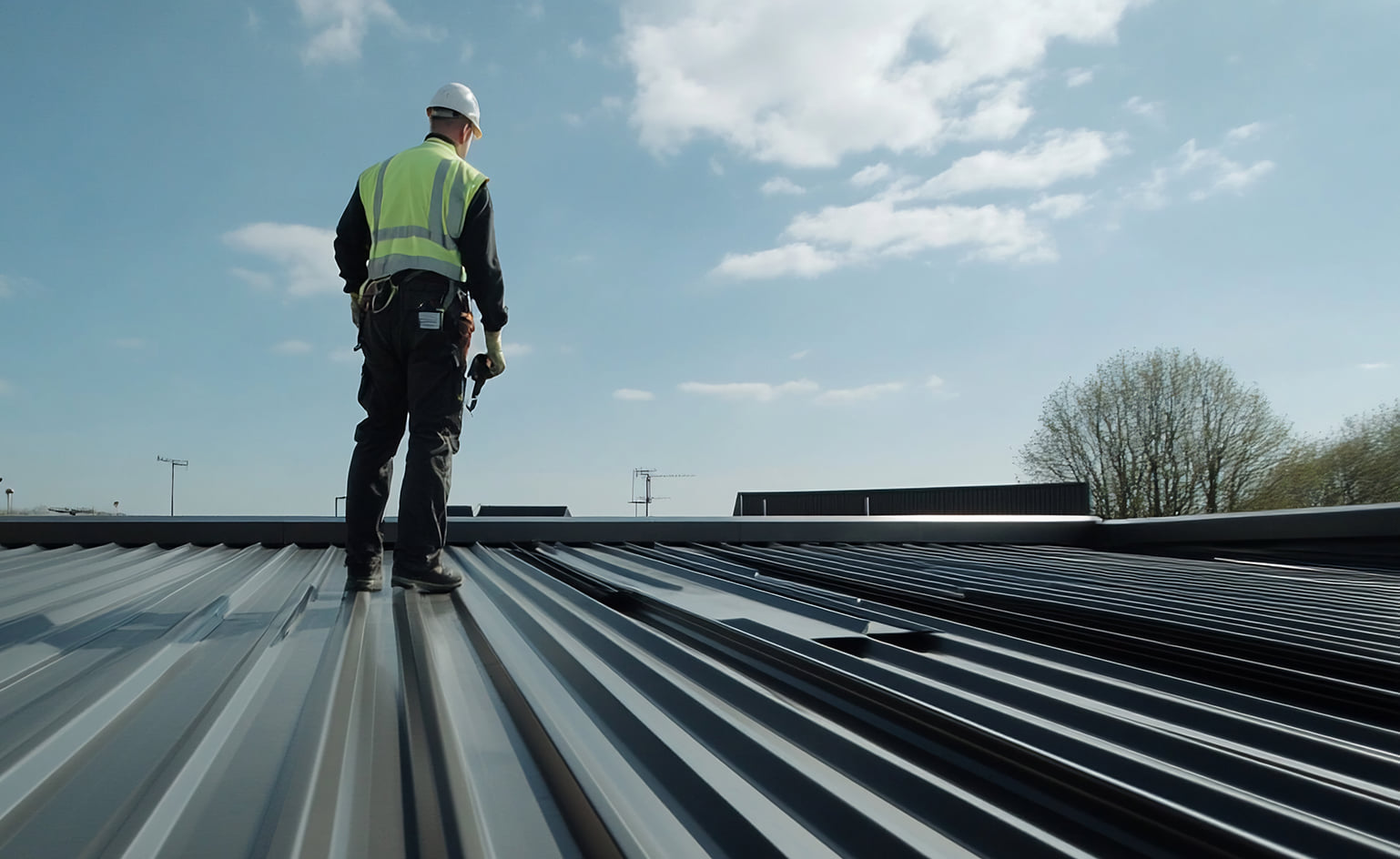
There is no single inspection schedule that fits every property, but periodic professional inspections are a practical way to keep track of a metal roof's condition. Inspections become especially useful as the roof ages or after weather events that may have caused damage.
Texas homeowners should also consider inspections after significant hail, unusually strong winds, or when they notice changes inside the house, such as water stains or unexplained moisture. A roof can experience localized damage without requiring complete replacement, and finding the problem early often creates more repair options.
Regular inspections also establish a clearer history of the roof's condition. Instead of waiting until a leak develops, homeowners can monitor components that are beginning to age and plan maintenance before those components become urgent problems.
Signs a Metal Roof May Need Repair
the system may need repair along the way. Water stains on ceilings or walls are an obvious warning sign, although exterior changes may appear before water ever reaches the interior of the home.
Loose or missing fasteners, lifted panels, damaged flashing, deteriorated sealant, rust, punctures, damaged seams, or unusual movement in sections of the roof can all justify a closer inspection. Problems around vents, chimneys, skylights, and other penetrations should receive particular attention because these areas contain additional joints and transitions.
Visible storm damage is another reason to have the roof evaluated. Even when panels remain in place, hail or debris can damage coatings or accessories, and wind can affect edges and flashing that are difficult to see from the ground.
Repairs Do Not Automatically Mean Replacement
Finding a problem on a metal roof does not necessarily mean the entire roofing system has reached the end of its life. One advantage of metal roofing is that localized issues can often be repaired when they are identified before widespread deterioration occurs.
A contractor may be able to replace damaged fasteners, correct flashing problems, reseal appropriate areas, repair individual components, or replace damaged panels while leaving the majority of the roof intact. The right approach depends on the roof's age, condition, design, and the extent of the damage.
As the roof becomes older, however, repeated repairs may eventually become less practical. A professional inspection can help determine whether a problem is isolated or whether it reflects broader deterioration throughout the roofing system.
How Do You Know When a Metal Roof Is Nearing the End of Its Life?
Age alone does not determine when a metal roof needs replacement. A 40-year-old roof that was installed correctly and maintained carefully may still be performing well, while a younger roof with installation problems or extensive storm damage could require significant work much sooner.
Widespread corrosion, recurring leaks, extensive fastener problems, failing seams, deteriorated panels, and repeated repairs across multiple areas may indicate that the roof is approaching the point where replacement makes more sense than continued repair.
The overall condition of the system should guide the decision. Metal roofing is particularly valuable because homeowners can often evaluate and maintain individual components throughout its life rather than assuming replacement is necessary simply because the roof has reached a certain age.
Is a Metal Roof Worth Considering in Texas?
For homeowners planning to remain in their homes for many years, the potential lifespan of metal roofing can make it an appealing option. Its ability to withstand prolonged sun exposure, rain, wind, and other demanding conditions makes metal particularly relevant in a climate where roofs regularly encounter harsh weather.
That longevity depends on choosing the right roofing system and having it installed properly. Appropriate coatings, quality flashing, correctly designed fastening systems, and careful installation around roof penetrations all contribute to the roof's ability to perform through decades of Texas weather.
Homeowners should therefore evaluate metal roofing as a complete system rather than focusing exclusively on the panels. The longest-lasting roof is generally one in which the material, installation, ventilation, flashing, drainage, and maintenance all work together.
APEX Roofing Can Help You Understand Your Metal Roof
APEX Roofing can evaluate your existing roof, identify signs of wear or storm damage, and explain whether repair, maintenance, or replacement makes the most sense for the property. With proper installation and reasonable care, a metal roof can provide decades of dependable protection, making its long service life one of the strongest reasons homeowners continue to consider metal roofing.