How Energy-Efficient Are Metal Roofs in Hot Texas Weather?
How Energy-Efficient Are Metal Roofs in Hot Texas Weather?
Texas heat does not play around, and your roof feels every bit of it from late spring through early fall. When the sun is beating down day after day, the roof is not just “the top of the house,” it is the front line that decides how much heat makes it into your attic and living space. Add rising energy costs to the mix, and suddenly the question becomes practical, not theoretical. If your air conditioner runs nonstop, your roof might be part of the story.
Metal roofing keeps coming up in conversations about efficiency because it can manage solar heat differently than many common materials. The short version is that a well-designed metal roof can reduce heat gain, smooth out indoor temperature swings, and help your cooling system work less aggressively. The long version is more interesting, because the real savings comes from how the roof system is built, not just what it is made of.
What “Energy-Efficient” Means for a Roof in Texas
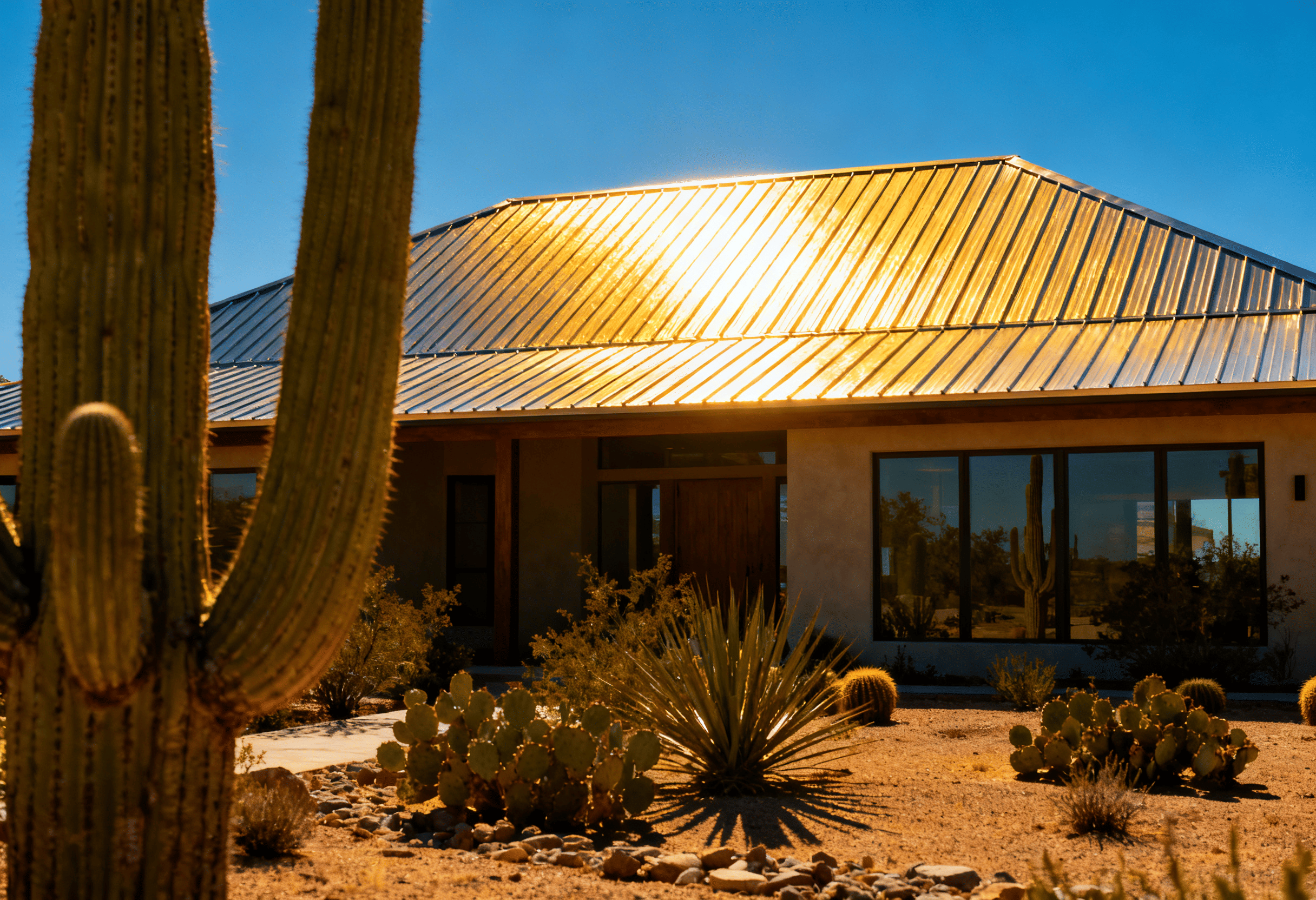
Energy efficiency in a Texas roof is mostly about controlling heat before it becomes an expensive problem. Sunlight hits the roof surface and turns into heat, then that heat tries to move downward into the roof deck, attic, and eventually the rooms below. If the attic gets superheated, your ductwork and insulation get hammered, and the air conditioner has to fight a hotter “buffer zone” all afternoon. Even if your living room feels okay, the system may be working harder than it should.
A roof earns the “energy-efficient” label when it reduces heat gain in a measurable way and supports the rest of the building envelope. Reflectivity helps by bouncing more of the sun’s energy away instead of absorbing it. Thermal emittance helps by releasing heat more effectively once the roof warms up. Insulation, ventilation, and air sealing complete the picture, because the best roof surface in the world cannot overcome a poorly managed attic that traps heat like an oven.
How Metal Roofs Improve Efficiency
Metal roofs can deliver efficiency benefits that feel immediate in hot Texas weather, especially when the sun is high and the days are long. One reason is that many metal systems are designed with finishes that reflect solar radiation more effectively than darker, heat-absorbing surfaces. Another reason is that metal roofing often pairs well with ventilation strategies that keep hot air moving out of the attic instead of letting it build. When those pieces work together, you get a roof that helps the home shed heat rather than store it.
It also helps that metal roofing is adaptable, since it can be installed with different profiles, colors, underlayments, and insulation approaches depending on your home’s design. Some homes benefit most from high-reflectance finishes, while others see bigger gains from improved ventilation and upgraded attic insulation during the roof replacement. The goal is not to chase a single “magic” product, it is to build a roof system that matches Texas conditions and your home’s layout. When you treat metal roofing as a system instead of a surface, the efficiency story becomes much stronger.
Reflectivity Does the Heavy Lifting on Sunny Days?
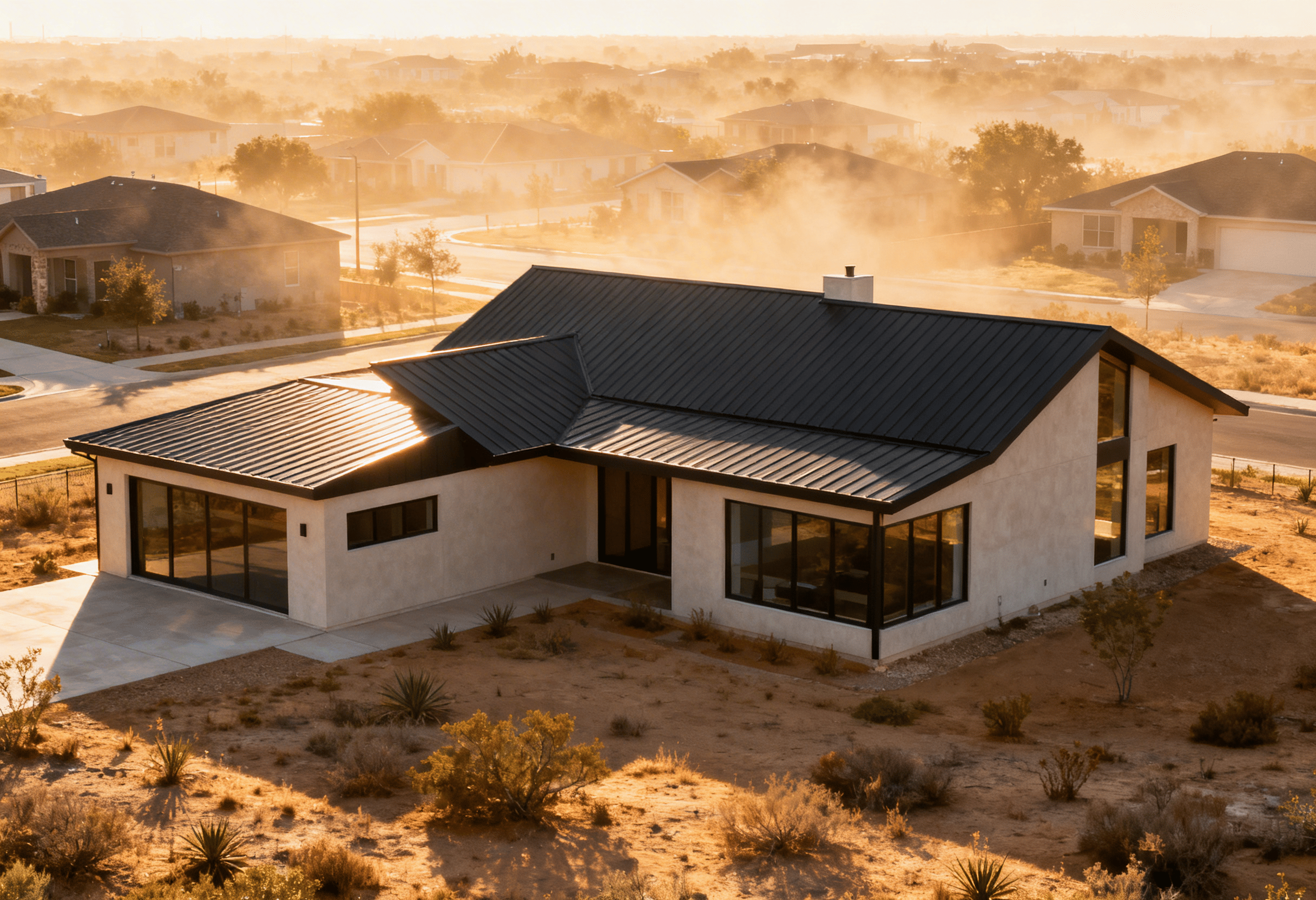
Reflectivity is one of the biggest reasons metal performs well in extreme sun, because it can push a meaningful share of solar energy back into the atmosphere. Many modern metal panels come with factory-applied finishes engineered to reflect sunlight, especially in lighter colors and “cool roof” color lines. In plain terms, a more reflective roof usually means a cooler roof surface, which can translate into a cooler attic and less heat migrating downward. Texas afternoons can be punishing, and lowering the roof’s surface temperature can take pressure off your cooling system.
Color choice matters more than many homeowners expect, and it is not just “white versus black.” Some coatings use special pigments designed to reflect infrared energy, which is a big slice of the heat you feel from the sun. That means you can sometimes choose a color that fits your style and still get solid reflective performance. APEX Roofing often helps homeowners balance curb appeal with efficiency, since the right finish can support comfort without forcing you into a look you do not want.
Coatings and “Cool Roof” Finishes Matter More Than the Material?
A metal roof’s coating is not just paint, it is part of the performance package. High-quality finishes are designed to resist fading, chalking, and weathering, which matters in Texas where UV exposure is intense. As a coating ages, it can lose some performance, so starting with a premium finish helps maintain reflectivity longer. When your roof keeps its reflective properties year after year, the energy benefit is more dependable and easier to feel in daily comfort.
It is also worth knowing that “cool roof” performance is not limited to bright white, and modern options have expanded what is possible. Many homeowners want an earth tone, charcoal, or a more modern look, and some cool-rated finishes make that possible without sacrificing the efficiency angle. The key is selecting a product line built for solar reflectance and durability, then installing it correctly so the system can perform as designed. A roof that looks sharp and performs well is not a contradiction, it is often a sign that the right materials and details were chosen from the start.
Insulation and Ventilation Turn a Good Roof Into a Great System
A reflective metal roof is powerful, but it should not be asked to solve every problem on its own. The attic is where many Texas homes lose the efficiency battle, especially when insulation is thin, ventilation is weak, or air leaks let conditioned air escape. When hot air sits in the attic all day, the roof deck stays hotter longer and the heat keeps pushing into the home. A metal roof can reduce that heat load, yet you will feel the difference more clearly when the attic is built to manage heat responsibly.
Insulation matters because it slows heat transfer, which is crucial when the attic is warmer than the living space. If insulation is uneven, compressed, or missing in key areas, heat takes the easiest path into your home and your thermostat becomes a constant negotiation. Upgrading insulation during a roof project can be a smart efficiency move, especially when you are already investing in a long-term roofing system. APEX Roofing can help you think through whether attic improvements make sense alongside a metal roof, based on how your home is built and how it behaves in summer.
Ventilation matters because heat rises, and the attic needs a controlled way to release it. A balanced system, with intake at the soffits and exhaust near the ridge, helps move hot air out instead of letting it stagnate. In some homes, improving ventilation delivers a noticeable comfort boost because the attic stops acting like a radiator above your ceiling. When reflectivity, insulation, and ventilation are aligned, metal roofing becomes more than “efficient on paper,” it becomes a daily-life upgrade you can feel.
Cost Savings Over Time
Most homeowners first notice potential savings in the hottest months, when the air conditioner usually works the hardest. If your roof reduces heat gain, your cooling system may cycle more evenly rather than running in long, exhausting stretches. That can lower peak energy use and reduce the feeling that the house cannot keep up during late afternoon heat. Even small reductions in cooling demand can add up across a Texas summer that feels like it lasts forever.
Long-term savings are not only about the monthly bill, even though that is the part everyone watches. Metal roofs are known for durability, and that longevity changes the math compared to materials that may need replacement sooner under extreme sun and severe storms. A roof you replace less often can mean fewer tear-offs, fewer disposal costs, and fewer disruption cycles to your home. If you are thinking like an eco-conscious homeowner, durability is efficiency too, because it reduces material consumption and waste over the life of the home.
Energy-minded homeowners also look at how improvements stack, and this is where metal roofing can be a strategic foundation. A high-performing roof supports other upgrades like better insulation, smarter ventilation, and solar technology that can offset your electricity use. If you plan to keep the home for a while, a roof system that supports future upgrades can be a quiet advantage. APEX Roofing can help you map that path, especially if you want your roof decision to support both comfort now and energy resilience later.
Comparing Metal to Other Roofs in Texas Heat
Asphalt shingles are common in Texas because they are familiar and often lower in upfront cost, but they tend to absorb and hold heat more readily, especially in darker colors. Some shingles are designed with reflective granules, and those can help, yet the overall performance still depends heavily on attic conditions and how the shingle system ages. In extreme sun, shingles can lose granules over time, which affects appearance and can influence how the roof handles heat and weather. If your goal is long-term efficiency, it is worth comparing how each material holds up under years of intense UV exposure.
Tile roofs, including clay and concrete, behave differently because they have thermal mass and often include air space under the tile that can reduce heat transfer. They can perform well in heat, yet weight, structure requirements, and repair considerations are part of the decision. Some homeowners love the look and the traditional fit for certain styles, while others prefer the lighter weight and design flexibility of metal. A metal roof can also mimic tile aesthetics in certain profiles, which can be appealing if you want the style without the full structural demand.
Low-slope systems and specialty materials can also be efficient when designed with reflective surfaces, especially on homes with modern rooflines or additions. Materials like certain membranes and foam systems can reflect heat well, but each comes with its own installation details, maintenance expectations, and service life considerations. Metal roofing stands out for many homeowners because it can combine strong reflectivity, long service life, and broad style options in one package. The best comparison is the one that fits your home, your budget, and your plans for how long you want this roof decision to last.
Is a Metal Roof Worth It for Eco-Conscious Homeowners?
Eco-conscious homeowners usually care about more than utility bills, and metal roofing often aligns with that broader mindset. Many metal roofs contain recycled content, and metal is widely recyclable at the end of its service life, which can reduce landfill waste compared to materials that are harder to reclaim. Durability also matters for sustainability, because the greenest roof is often the one you do not have to replace as frequently. When you stretch the replacement cycle, you reduce the footprint tied to manufacturing, shipping, and disposal.
Efficiency also shows up in comfort, which is easy to overlook until you feel it. A roof that reduces heat gain can make upper floors feel less stuffy, improve temperature consistency, and cut down on that “thermostat tug-of-war” that happens in many Texas homes. Comfort improvements are not always dramatic on day one, but they can become obvious over time, especially during heat waves. If you care about reducing energy use while keeping your home livable through long summers, metal roofing is often a practical step that supports both goals.
Why Metal Roofs Pair So Well With Solar Shingles
If your end goal includes cleaner energy, metal roofing can be a strong partner for solar shingles and other solar solutions. A long-lasting roof matters when you invest in solar, because it reduces the chance you will need to remove or rework the system due to an aging roof. Metal roofs are often chosen as a “set it and build on it” platform, which fits the mindset of homeowners planning long-term energy improvements. When the roof and solar plan are aligned, the whole system feels more intentional and less like separate upgrades fighting each other.
Solar shingles appeal to homeowners who want a cleaner look while still generating power, and the roof beneath them still matters for performance and durability. A roof system that manages heat well can support a healthier attic environment, which can help the home’s overall efficiency even before solar generation is considered. When you combine reduced heat gain with on-roof energy production, you get a one-two punch that eco-minded homeowners tend to appreciate. APEX Roofing can walk you through metal roofing options with solar shingles in mind, so the roof you choose supports both efficiency and a modern energy strategy.
What to Ask Before You Choose a Metal Roof in Texas
The smartest metal roof decisions start with the right questions, because not all metal systems are built the same. Ask about the panel profile, the quality of the finish, and how the roof will be detailed around vents, valleys, chimneys, and edges. Details matter in Texas, where heavy rain, wind, hail, and intense sun all test the roof in different ways. A strong installation plan is just as important as the material itself, since small shortcuts can reduce performance and shorten lifespan.
It also helps to ask how your attic will be handled, because a roof replacement is a rare chance to improve the full system. Ask whether ventilation is balanced, whether insulation needs attention, and whether air sealing issues are likely based on your home’s layout. Ask how the underlayment will perform in heat, since Texas summers can be brutal on materials that are not designed for high temperatures. When you treat the project as an efficiency upgrade, not just a re-roof, you get a roof that is more likely to deliver the comfort and savings you are hoping for.
Get a Free Estimate on an Energy-Saving Metal Roof
APEX Roofing helps Texas homeowners choose metal roofing systems that match the reality of Texas weather and the goals of energy-focused living. If you are also exploring solar shingles, the roof decision becomes even more important, because the best results come from planning the roof and solar strategy together. Get a free estimate on an energy-saving metal roof from APEX Roofing, and let’s talk through options that can lower heat gain, improve comfort, and move your home toward a cleaner energy future.