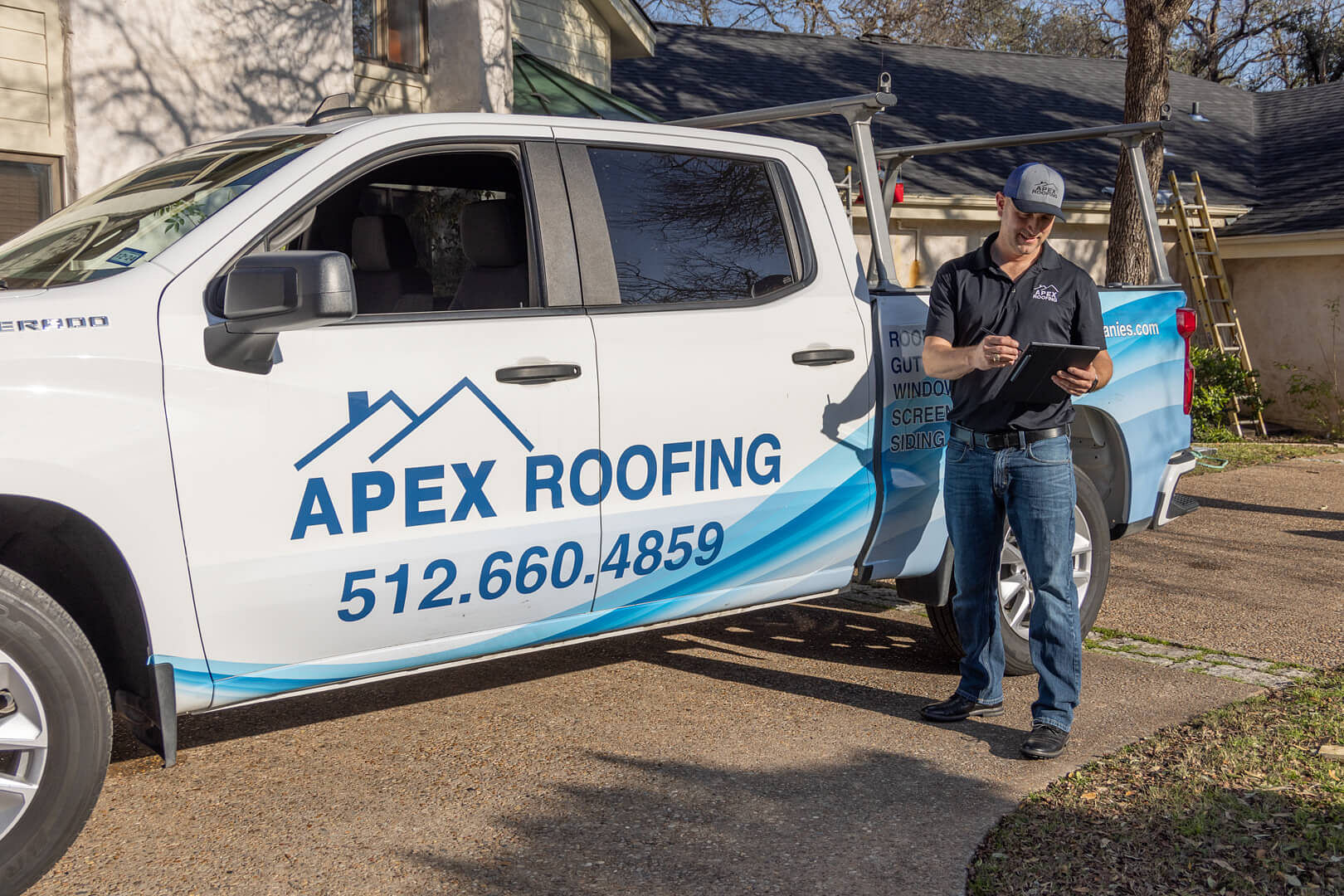
Best Roofing Systems for Commercial Buildings in Texas
Best Roofing Systems for Commercial Buildings in Texas
Choosing the right commercial roofing system in Texas is not just a construction decision. It is a long-term investment in energy control, storm protection, building performance, and business continuity. Texas roofs deal with intense sun, heavy rain, high winds, hail, sudden temperature swings, and long cooling seasons, which means a roof that works well in another region may not be the best fit here. For commercial property owners, the right system should protect the building, support efficiency, and hold up under real Texas conditions.
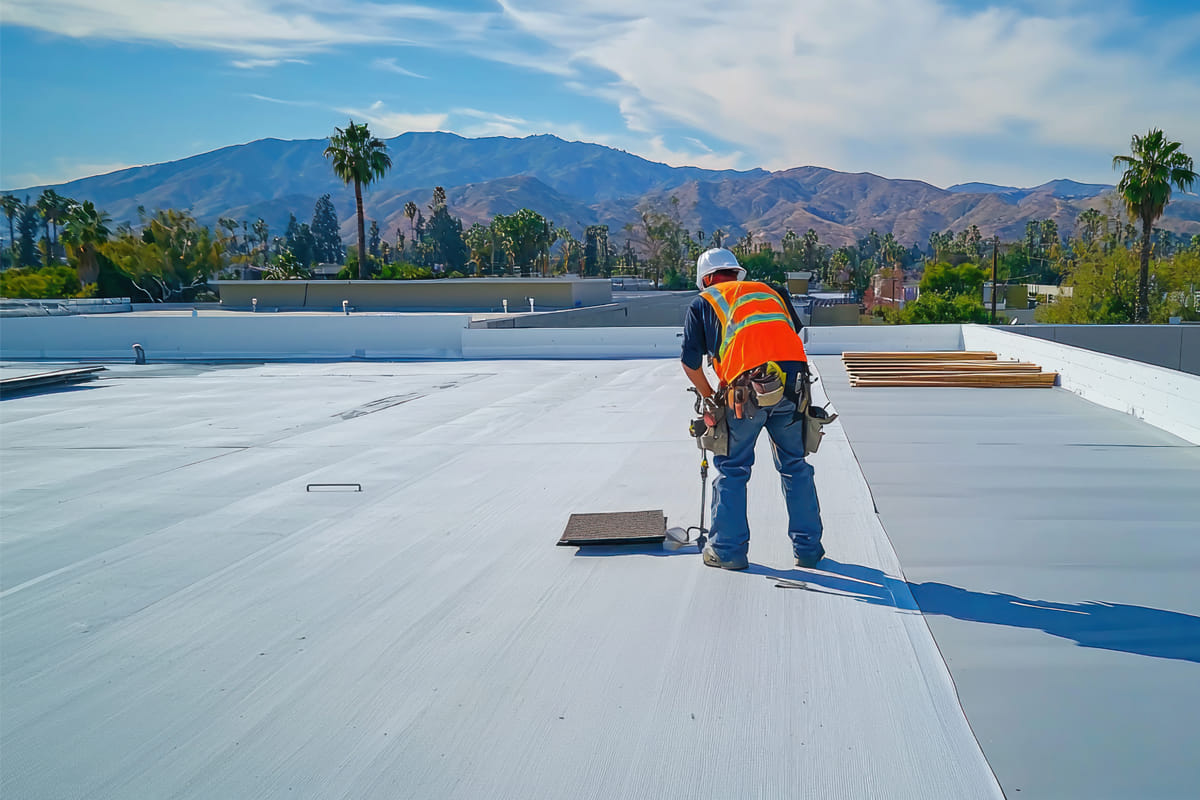
Commercial buildings also come with different roofing needs than residential homes. Many have flat or low-slope roofs, large surface areas, rooftop HVAC units, drainage systems, foot traffic, and equipment penetrations that create more opportunities for wear. A small roofing issue can affect inventory, tenants, employees, customers, and operations, which makes planning even more important. APEX Roofing helps business owners compare roofing systems based on practical performance, not just price.
What Makes a Commercial Roof Different in Texas?
A commercial roof in Texas has to handle more than simple rain protection. It must resist ultraviolet exposure, shed or manage water properly, tolerate rooftop equipment, and maintain performance through hot months when surface temperatures can climb far above the outdoor air temperature. On many commercial buildings, the roof also plays a major role in energy efficiency because heat gain through the roof can affect cooling costs. That is why the best system is often the one that balances durability, reflectivity, drainage, maintenance, and installation quality.
Texas weather also creates a roofing environment where small flaws can become serious quickly. A seam that opens slightly, a clogged drain, a damaged flashing detail, or a worn membrane area may not seem urgent during dry weather. Once a strong storm arrives, however, those weak points can allow water into insulation, decking, ceilings, and interior spaces. The best commercial roofing system should be chosen with these risks in mind from the beginning.
TPO Roofing Is a Popular Option for Flat and Low-Slope Roofs
TPO roofing, also known as thermoplastic polyolefin, is one of the most common commercial roofing systems for flat and low-slope buildings. It is a single-ply membrane that is often chosen for its reflective surface, flexible installation options, and strong balance of performance and affordability. In hot Texas climates, the reflective quality of many TPO membranes can help reduce heat absorption compared with darker roofing materials. That can be especially useful for businesses trying to manage indoor comfort and cooling demands.
TPO can work well for offices, retail buildings, warehouses, restaurants, medical facilities, and many other commercial properties. Its seams are heat-welded, which can create a strong bond when the system is installed correctly. It also performs well around many rooftop details, although penetrations, drains, and edges still need careful workmanship. For property owners who want a modern commercial roofing system with good value, TPO is often worth serious consideration.
PVC Roofing Performs Well in Demanding Environments
PVC roofing, or polyvinyl chloride roofing, is another single-ply membrane system that is often used on commercial buildings with flat or low-slope roofs. It is known for strong seam performance, chemical resistance, and durability in certain high-demand settings. Restaurants, industrial buildings, and facilities with grease, oils, or chemical exposure may benefit from PVC because it can handle conditions that may damage some other systems faster. This makes it a practical option when the roof needs to resist more than heat and rain.
PVC roofing can also provide reflective benefits, which matters in Texas commercial buildings where cooling costs are a constant concern. Like TPO, it requires skilled installation because membrane seams, flashing details, rooftop units, and drainage points must be handled carefully. The material may cost more than some alternatives, but it can be a strong choice when the building’s use justifies the added performance. APEX Roofing can help determine whether PVC is appropriate based on the property, budget, rooftop exposure, and long-term maintenance expectations.
EPDM Roofing Offers Flexibility and Proven Performance
EPDM roofing is a rubber roofing membrane that has been used on commercial buildings for decades. It is known for flexibility, weather resistance, and a long track record in the commercial roofing industry. Many EPDM systems are darker, which means they may absorb more heat than reflective white membranes, but they can still perform well when matched with the right building and insulation strategy. In some cases, coatings or design adjustments may help improve energy performance.
EPDM can be a good fit for property owners who value proven material history and a relatively straightforward roofing system. It is especially important, however, to think about Texas heat when comparing EPDM to more reflective options. A dark membrane may not be ideal for every building, especially if cooling efficiency is a major goal. The best choice depends on the building’s layout, roof slope, insulation, budget, and how much direct sun the roof receives each day.
Modified Bitumen Brings Strength to Commercial Roofs
Modified bitumen roofing is an asphalt-based commercial roofing system often used on flat and low-slope buildings. It is valued for toughness, layered protection, and resistance to certain types of punctures and foot traffic. This can make it a useful option for buildings where maintenance crews need regular roof access or where rooftop equipment creates more activity than usual. In Texas, the layered nature of modified bitumen can provide reliable protection when the system is designed and installed correctly.
Modified bitumen can be installed in different ways, and some versions include reflective surfacing to help with heat control. Because it is asphalt-based, heat exposure, drainage, and surface condition still matter over time. Regular inspections are important because cracks, blisters, open seams, and worn areas can develop as the roof ages. For certain commercial properties, modified bitumen offers a strong middle ground between traditional built-up roofing and newer single-ply membrane systems.
Metal Roofing Is a Long-Term Commercial Roofing Solution
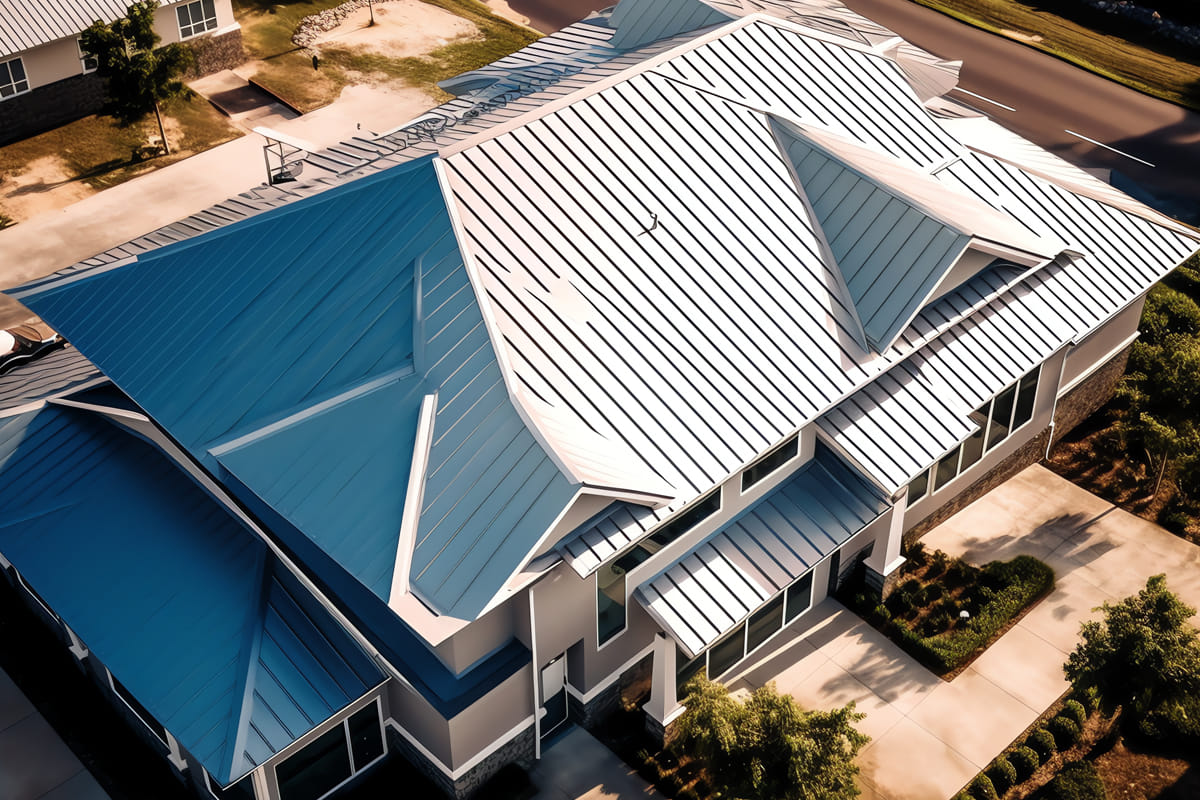
Metal roofing is often associated with steep-slope buildings, but it can also be an excellent commercial option when the building design supports it. Standing seam metal roofs are especially popular because their concealed fastener design reduces exposure points and creates a clean, durable system. Metal can reflect sunlight, resist fire, shed water efficiently, and provide a long service life when properly installed. In Texas, where heat, hail, wind, and heavy rain are all major considerations, metal roofing can be a strong long-term investment.
Commercial metal roofing is not the cheapest option upfront, but its durability can make it attractive over the life of the building. It is often used for warehouses, retail centers, agricultural buildings, churches, office buildings, and industrial spaces. Proper installation is critical because panel movement, flashing details, fasteners, underlayment, and roof geometry all affect performance. APEX Roofing can help property owners evaluate whether metal roofing makes sense based on the building’s structure, slope, budget, and long-term goals.
Built-Up Roofing Still Has a Place
Built-up roofing, often called BUR, is one of the older commercial roofing systems still used today. It typically consists of multiple layers of bitumen and reinforcing materials, creating a thick, durable roofing assembly. This layered approach can provide strong waterproofing and good resistance to wear when the system is maintained well. For some commercial buildings, especially those with large flat surfaces, built-up roofing remains a dependable option.
The tradeoff is that built-up roofing can be heavier, more labor-intensive, and more involved to install than some modern single-ply systems. Texas heat can also affect asphalt-based roofing materials over time, particularly if the roof lacks proper surfacing or drainage. Still, BUR may be worth considering for certain properties where durability and redundancy are priorities. A professional roofing evaluation can help determine whether built-up roofing is the best fit or whether a newer membrane system would deliver better value.
Roof Coatings Can Extend Service Life in the Right Situation
Roof coatings can be an excellent option when a commercial roof is aging but still structurally sound. A coating may help improve reflectivity, seal minor surface wear, and extend the roof’s useful life without a full replacement. In Texas, reflective coatings can be especially appealing because they may reduce heat absorption and help protect the existing system from ultraviolet exposure. This can be useful for commercial property owners who want to improve performance while managing costs.
A coating is not a cure for every roofing problem, though. If the roof has wet insulation, major leaks, severe membrane damage, failing seams, or compromised decking, coating over the issue can trap problems rather than solve them. The roof must be inspected carefully before coating is recommended. APEX Roofing can assess whether restoration is realistic or whether repair or replacement would be the smarter long-term move.
Drainage Is Just as Important as the Roofing Material
Flat roofs are not supposed to be perfectly flat. They need a drainage design that moves water toward drains, scuppers, gutters, or other approved outlets. In Texas, heavy rain can arrive quickly, and a commercial roof that does not drain properly may develop ponding water. Over time, standing water can strain the roofing system, weaken seams, accelerate material breakdown, and increase the risk of leaks.
Drainage problems are one reason the best roofing system is not always just about membrane type. Tapered insulation, drain placement, scupper sizing, roof slope, maintenance access, and gutter condition all influence performance. A high-quality membrane can still fail early if water sits on it for too long. When APEX Roofing evaluates a commercial roof, drainage should be part of the conversation because water management is central to long-term protection.
Insulation and Energy Performance Matter in Texas
Commercial roof insulation affects comfort, utility costs, and overall roof performance. In a Texas building, strong insulation can help reduce heat transfer from the roof into the occupied space below. This is especially important for offices, retail spaces, medical facilities, schools, and warehouses where indoor comfort influences productivity and operating expenses. The roofing system and insulation should work together rather than being treated as separate decisions.
Energy performance also depends on reflectivity, roof color, ventilation needs, building use, and HVAC efficiency. A reflective membrane may help reduce surface heat, while proper insulation helps slow the transfer of heat into the building. For some properties, the right combination can improve comfort and reduce strain on cooling systems. APEX Roofing can help commercial property owners consider these factors during repair, restoration, or replacement planning.
How Do You Choose the Best Commercial Roofing System?
The best commercial roofing system starts with the building itself. Roof slope, drainage, structural capacity, sun exposure, rooftop equipment, foot traffic, budget, business operations, and future plans all matter. A restaurant may need a different system than a warehouse, and a medical office may have different priorities than an industrial facility. Choosing based only on the lowest initial bid can create higher costs later if the system is not suited to the building.
A good roofing contractor should explain the advantages and limitations of each option in plain language. TPO may be the right fit for one property, while PVC, metal, modified bitumen, EPDM, built-up roofing, or a coating system may make more sense for another. The right answer depends on performance needs, installation details, maintenance expectations, and long-term value. APEX Roofing can help you compare options clearly, so you can make a confident decision instead of guessing.
Maintenance Helps Any Commercial Roof Last Longer
Even the best commercial roofing system needs maintenance. Texas weather is hard on roofs, and routine inspections help catch issues before they interrupt your business. Small punctures, loose flashing, open seams, clogged drains, cracked sealant, and damaged roof edges can often be repaired before they become major leaks. A maintenance plan gives your roof a better chance of reaching its expected service life.
Commercial roofs should be checked after major storms, before peak summer heat, and at regular intervals throughout the year. Rooftop equipment should also be monitored because HVAC service work can sometimes leave behind dropped tools, loose panels, or accidental membrane damage. Keeping debris off the roof and drainage areas clear can make a major difference. APEX Roofing can help property owners build a practical maintenance plan that protects the roof and reduces surprise repair costs.
Protect Your Texas Commercial Building with the Right Roof
The best roofing system for a commercial building in Texas is the one that fits the structure, supports the business, and stands up to the climate. TPO, PVC, EPDM, modified bitumen, metal roofing, built-up roofing, and roof coatings all have a place, but none of them should be chosen without considering heat, storms, drainage, energy performance, and maintenance. A roof is not just a surface over your building. It is a working system that protects everything underneath it.
APEX Roofing helps Texas business owners make smart roofing decisions with clear guidance and experienced workmanship. Whether your building needs a new commercial roof, roof repairs, storm damage evaluation, maintenance, or help comparing system options, the right partner can make the process much easier. A well-chosen roof can protect your property, improve performance, and give you more confidence during the toughest weather of the year. Schedule a commercial roofing inspection with APEX Roofing and choose a system built for the way Texas really tests a roof.